In the olden days, women and young girls didn’t just put on any kind of hair style. It was their braids that showed who they were.
The braids displayed the culture and roots. They also reflected home training and humble beginnings.
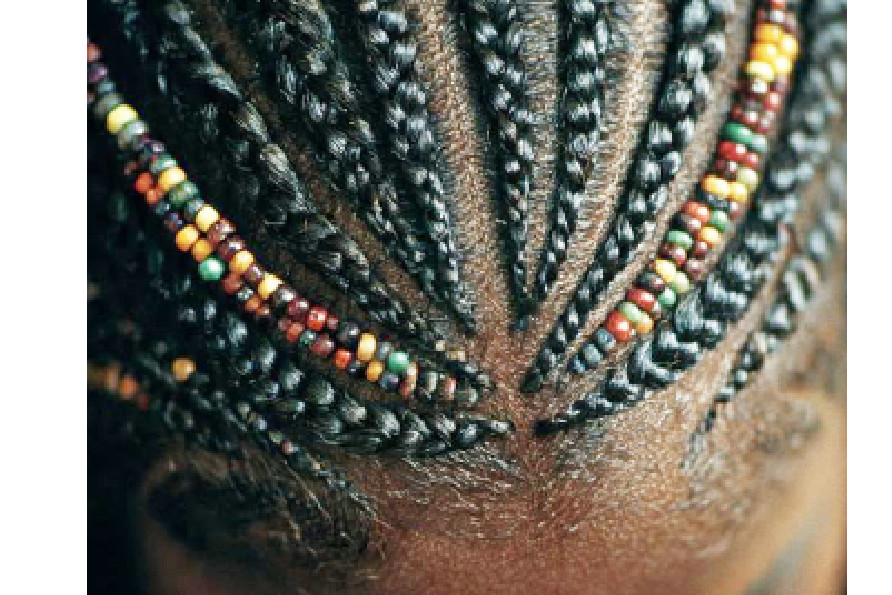
The most popular braids then were cornrows, “shuku” and “Calabar” with beads. The styles were simple and elegant. Each one had a meaning and a character disposition. They were not expensive and devoid of the now-famous attachments. They were simply hair.
From the styles, you could tell a girl from a good home: neat, clean, not outlandish. They reflected pure decency. Beads were added to adorn the hair, but the beauty was in the simplicity.
No weaves. No heavy styling. Just the natural hair, plaited with care, usually by mothers or aunties at weekends, especially on Saturday evenings.
Those braids were more than fashion. They were identities. When you walked into a place, your hair already spoke before you did. Even now, when you see old photos of those cornrows and shuku styles, they are not just hairstyles; they epitomise discipline, culture, and a time when Nigerian women and girls wore heritage on their heads.
Today, however, modern hairstyles have moved far away from those simple traditions. The introduction of synthetic attachments, wigs, lace fronts, and heavily styled weaves has reshaped how many young women present themselves. These styles are often influenced by global trends, social media, and celebrity culture, making hair not just a cultural marker but also a fashion and status statement.
While these modern looks offer variety and creativity, they also reflect a departure from the simplicity that once defined traditional braiding. The ease of identifying cultural roots through hair has become less distinct, as styles now blend multiple influences and techniques.
We’ve got the edge. Get real-time reports, breaking scoops, and exclusive angles delivered straight to your phone. Don’t settle for stale news. Join LEADERSHIP NEWS on WhatsApp for 24/7 updates →
Join Our WhatsApp Channel