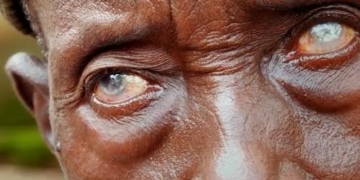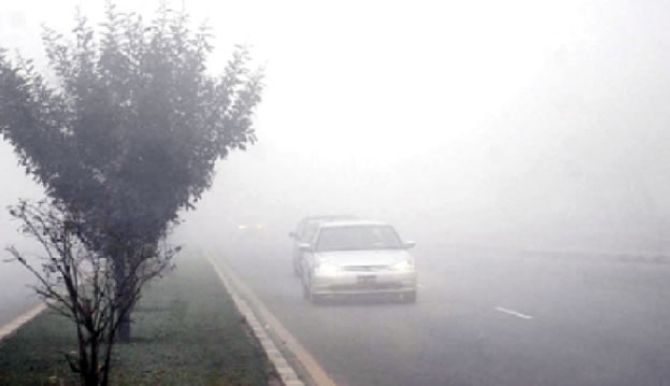
Harmattan, the dry and dusty season in West Africa, often brings with it a rise in health issues, particularly respiratory and skin conditions. This period, typically between November and March, is characterised by cold, dry winds and a thick layer of dust particles in the air, making it a challenging time for many. The sudden change in weather patterns, combined with the pollutants and dry air, can cause various health problems.
One of the primary reasons people fall sick during Harmattan is the impact of dry air on the respiratory system .
The cold, arid conditions strip moisture from the mucous membranes in the nose and throat, making it harder for the body to filter out harmful pathogens. As a result, individuals become more susceptible to respiratory infections, such as the common cold, flu, and bronchitis. These conditions spread easily in crowded environments, where Harmattan winds carry dust particles, which act as carriers for viruses and bacteria.
Asthma and other pre-existing respiratory conditions are exacerbated during Harmattan. The dust particles, which can include sand, soot, and other pollutants, trigger asthma attacks and worsen symptoms of allergic rhinitis. For people with asthma, the combination of cold air and dust can lead to wheezing, coughing, and shortness of breath. It is crucial for asthma patients to manage their condition carefully during this season, by using their inhalers and avoiding outdoor activities when the air quality is poor.
In addition to respiratory issues, Harmattan increases the prevalence of allergies. Dust mites, pollen, and other allergens become airborne, triggering allergic reactions in sensitive individuals. These reactions can manifest as sneezing, itchy eyes, and nasal congestion, which are common symptoms of allergic rhinitis. Those with existing allergies may find these symptoms worsen during this season, and the dry air can further irritate the skin, causing dryness, eczema, and other dermatological conditions.
Dehydration is another significant risk during Harmattan. The dry air rapidly removes moisture from the skin, eyes, and mucous membranes. Even though the temperature is lower, people often do not realize that they are losing moisture and may not drink enough water. Dehydration weakens the immune system, making individuals more susceptible to infections. It’s essential to maintain adequate hydration during this time, as well as to apply moisturizers to prevent skin irritation and dryness.
The dry conditions also affect the body’s ability to produce adequate mucus to trap foreign particles. This can lead to increased susceptibility to sinus infections. The sinus passages dry out, causing discomfort, congestion, and sometimes infections. For some, the change in air quality and temperature during Harmattan may also trigger headaches or migraines, which can further compound the symptoms of other illnesses.
Another factor contributing to illness during Harmattan is the lack of proper indoor air circulation. During this time, people tend to keep their windows closed to prevent dust from entering their homes, but this limits the flow of fresh air. Poor indoor air quality, coupled with dry indoor heating, can create an ideal environment for the growth of mold and bacteria, which can lead to respiratory issues and allergies. Regular cleaning and the use of air purifiers can help mitigate some of these problems.
Harmattan also has an indirect impact on mental health. The harsh weather conditions can lead to a decrease in physical activity, as many people avoid outdoor exercise due to the cold, dusty air. This reduction in physical activity can contribute to feelings of fatigue, stress, and even seasonal affective disorder (SAD) in some individuals. Moreover, the discomfort of dry skin and irritation can lead to feelings of frustration and anxiety.
To protect oneself during Harmattan, it’s essential to take preventive measures. Wearing protective clothing like scarves and masks can help reduce exposure to dust. Keeping hydrated by drinking plenty of fluids, even if not feeling thirsty, is crucial.
Using a humidifier indoors can help maintain moisture in the air, and regularly moisturising the skin can prevent dryness and irritation. Additionally, people should limit outdoor activities when dust storms or poor air quality are present and ensure their living spaces are well-ventilated.
By being aware of the health risks associated with Harmattan and taking the necessary precautions, individuals can reduce the likelihood of falling sick during this challenging season. Prevention and proper care are key to staying healthy in the face of harsh weather conditions.
We’ve got the edge. Get real-time reports, breaking scoops, and exclusive angles delivered straight to your phone. Don’t settle for stale news. Join LEADERSHIP NEWS on WhatsApp for 24/7 updates →
Join Our WhatsApp Channel