As soaring energy costs and unreliable electricity threaten the functionality of Nigeria’s tertiary institutions, a bold initiative by the Tertiary Education Trust Fund (TETFund) is laying the groundwork for a power revolution.
In what may become a defining shift in campus infrastructure, TETFund has unveiled a comprehensive green energy blueprint designed to move universities, polytechnics, and colleges of education away from fossil-fuel dependency and toward sustainable, hybrid alternatives.
At the heart of this vision is the adoption of integrated solar photovoltaic (PV) systems, battery storage, grid connectivity, and gas-powered backup solutions.
The model, hailed as both cost-effective and scalable, is the outcome of months of technical assessments by a high-level Steering Committee on Alternative Energy Solutions.
The committee was inaugurated in March 2025 by the TETFund Board of Trustees, led by its chairman, Rt. Hon. Aminu Bello Masari, in response to the growing alarm over escalating power bills and deteriorating supply in public tertiary institutions.
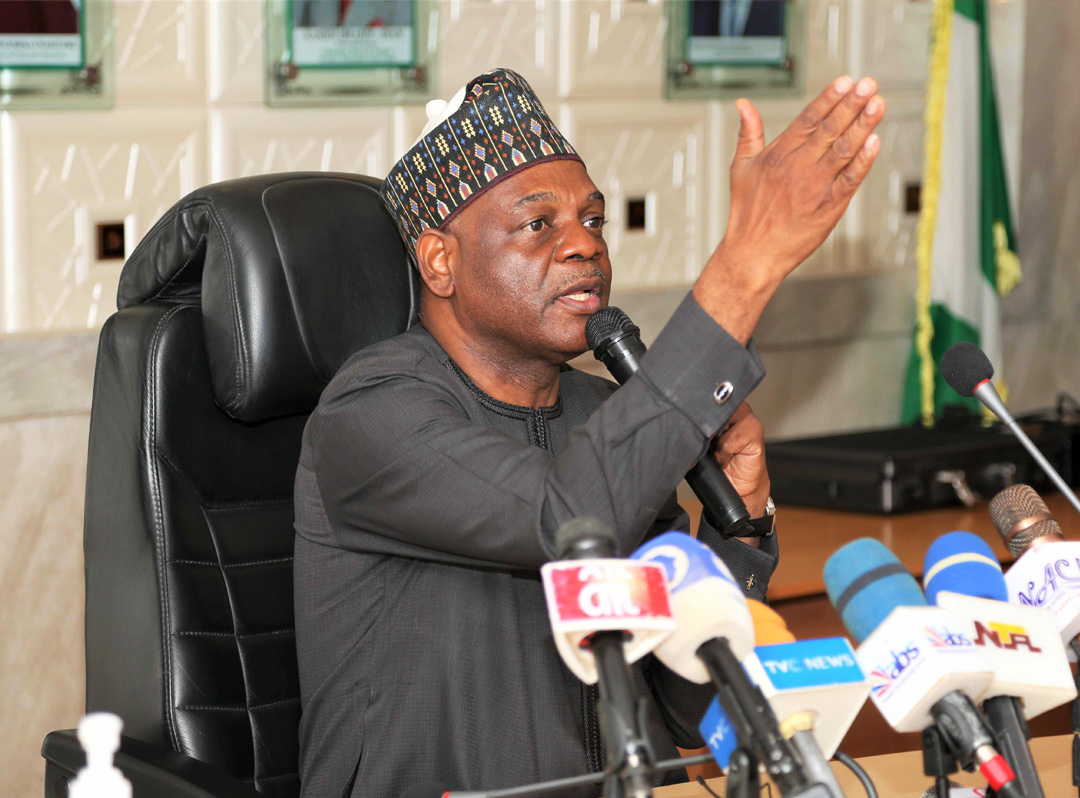
During the official presentation of the committee’s findings on Monday in Abuja, its chairman, Hon. Sunday Adepoju, emphasised that the conventional power grid has become unreliable and financially burdensome.
“Institutional energy demands must be met through resilient and cost-efficient solutions. Gas-fired generators offer cleaner backup where natural gas is available, while diesel units should be phased out or retrofitted for cleaner alternatives.”
The work of the committee began with a nationwide energy audit in collaboration with the Rural Electrification Agency (REA), covering diverse tertiary institutions struggling under the weight of erratic supply and the high cost of diesel.
What the audit revealed was a system buckling under pressure where many institutions rely on outdated and costly generators, and power outages routinely disrupt teaching, research, and healthcare services on campuses.
In April 2025, the committee conducted a series of site visits across the country to inspect alternative energy installations already in use.
Among the facilities toured were solar plants at the University of Abuja, Bayero University Kano, and Michael Okpara University, alongside gas-powered facilities at Greenfield Industries’ LNG plant and the compressed natural gas plant at NFPC. Hybrid systems at institutions like the University of Ibadan, Obafemi Awolowo University, Lagos State University, and Abia State University were also reviewed.
Based on these observations and detailed technical assessments, the committee selected a dozen institutions across Nigeria’s six geo-political zones for a pilot phase of the alternative energy rollout.
These were chosen based on criteria such as geographic balance, infrastructure readiness, student population, and whether or not they were already covered under REA’s Electrified Education Programme.
Institutions selected include Ibrahim Badamasi Babangida University in Lapai and Federal Polytechnic, Nasarawa (North-Central); Nigerian Army University, Biu and Federal Polytechnic, Mubi (North-East); Yusuf Maitama Sule University, Kano and Federal Polytechnic, Daura (North-West); Alvan Ikoku Federal University of Education, Owerri and Federal Polytechnic, Oko (South-East); Ambrose Alli University, Ekpoma and Federal Polytechnic of Oil and Gas, Bonny (South-South); and Lagos State University and Federal Polytechnic, Ilaro (South-West).
The committee’s preferred energy model combines solar PV for primary daytime power, batteries for storage, continued grid connectivity for baseline supply, and gas-powered generators for backup. According to Adepoju, hybrid systems offer the most resilient and flexible solution for campuses.
He explained that configurations should be customised to local conditions, such as sunlight levels and available natural gas infrastructure. Critical facilities like ICT centres, laboratories, libraries, and health clinics should be prioritized for uninterrupted power access.
Key elements of the plan include gradually phasing out diesel-powered generators and replacing or retrofitting 80 percent of them with gas-fed alternatives.
It also recommends integrating solar, battery, gas, and grid sources into seamless systems that can scale with growing institutional needs. Each pilot institution has been provided with an implementation guide that includes estimated plant capacities and cost projections based on their unique energy profiles.
Arc. Sonny Echono, Executive Secretary of TETFund, praised the committee for its thorough research and patriotic dedication to national development.
He noted that the recommendations would serve as a critical guide for future TETFund investments in clean energy infrastructure. “Reliable power is the bedrock of 21st-century academic excellence. We can’t keep training innovators and scientists in classrooms that go dark by noon,” Echono said.
Beyond cost savings and efficiency, the transition to hybrid green energy on campuses is expected to align with global environmental sustainability goals, reduce the carbon footprint of institutions, and improve the overall quality of teaching, learning, and research.
It also promises to open up opportunities for student training and local technical development in renewable energy systems.
We’ve got the edge. Get real-time reports, breaking scoops, and exclusive angles delivered straight to your phone. Don’t settle for stale news. Join LEADERSHIP NEWS on WhatsApp for 24/7 updates →
Join Our WhatsApp Channel