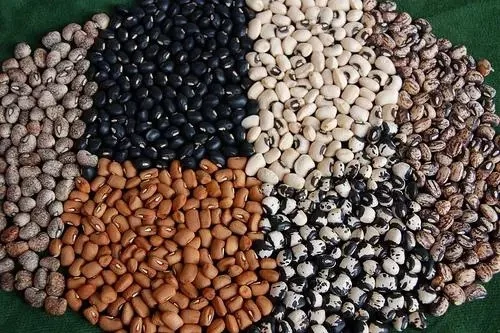
Cowpea, popularly known as beans, is one of Africa’s largest indigenous food crops and a major source of protein for the Nigerian populace where it is prepared and eaten in various forms, such as; Ewa agoin, akara and moimoi. It is a staple food crop and an important source of income.
Nigeria has had a yearly average production of about 2.7 million metric tons of cowpeas over the last 10 years, the Health of Mother Earth Foundation (HOMEF) stated, adding that, Nigeria is also regarded as a centre of origin of cowpea and a major producer of cowpea in the world
Investing in cowpea, is not only profitable, but can also help reduce the huge importation of the commodity into the Nigerian market, as findings have shown that Nigeria is the largest importer of cowpea in Africa.
While Cowpea is mostly planted in the Northern part of Nigeria, the major consumption center for the crop is the densely populated area of southern Nigeria where they are increasingly been processed and used in the production of bean flour.
There are different species of cowpeas in Nigeria. They are; oloyin, olotun butter beans, lon beans, zebra beans and white beans which is very common in the North.
Investment opportunities
According to the nigerianprice.com report, one can get 50kg of Oloyin beans for about N30,000 to N39,000, and 25kg of Oloyin beans from N15,000 to N19,000, depending on the location and market.
“One can get 50kg of Olotun beans for about N29,000 to N36,000 and 25kg of Olotun beans from N14,000 to N17,500. As for butter beans, 50kg is sold for about N33,000 and 25kg is sold for about N16,500. 50kg of White beans and brown beans are sold for about N32,000,” nigerianprice.com report, revealed.
Investment Returns
Meanwhile, the return on investment on the trading of cowpea (beans) is estimated between 10 per cent to 15 per cent according to report by Foraminifera Market Research Limited.
Since cowpea is mostly consumed in the southern part of Nigeria, interested investors can purchase it from the north to the south, where the market is.
The distribution channels are huge, one can decide to distribute it to market women who sell in basket; to companies who process the cowpeas into powder form; to restaurants or akara sellers and one can choose to sell it by himself.
Starting the business:
Since a sack of cowpeas is sold less than N50,000, one can start the business with N100,000. That fee can cover for a sack of cowpeas of any kind and transportation. (In terms of transportation, you can link up with other traders, who do transport foodstuff from the North to the South West. Since you are not buying much, you can join them, put money together and hire a truck to carry everybody’s goods.) For starters, you may not rent a shop. You can decide to distribute the cowpeas to retailers, restaurants, akara sellers and even to private homes.
You can sell at a more reasonable price, to attract customers. Ensure you add your transportation cost to your price. The profit margin will depend on where you buy the product and the cost of transporting it to your location.
For those who have the finance to buy in bulk, it is advisable to buy directly from farmers. Ensure you ask the farmers, if it is the genetically modified cowpeas.
Stakeholders have said the genetically modified cowpeas have heavy doses of chemicals which are highly toxic and linked to serious health defects. That way, it will be much cheaper.
In terms of transportation, you can rent a bus, or buy one and hire a driver that will convey you to the north. Also, it is advisable to get a goods-in-transit insurance. Accidents could happen at any time, you do not want to be on the losing side.
If you are selling in bulk, you will need to rent a shop at a market place or a very busy place. Start by getting customers that you can supply to. You can start by supplying to retailers at a busy market place like mile 12 in Lagos. You can supply to food stores and animal farms. You can also supply to companies and individuals.
We’ve got the edge. Get real-time reports, breaking scoops, and exclusive angles delivered straight to your phone. Don’t settle for stale news. Join LEADERSHIP NEWS on WhatsApp for 24/7 updates →
Join Our WhatsApp Channel