Stakeholders in Nigeria’s power sector have called for urgent reforms, emphasising decentralised energy solutions and fair, transparent tariff frameworks to address consumer rights and energy poverty challenges.
Speaking during the 5th Annual Conference of the Power Correspondents Association of Nigeria (PCAN) in Abuja on Thursday, a board member of the Nigerian Independent System Operator (NISO), Engr. Lamu Audu highlighted the benefits of embedded generation and off-grid systems as complementary measures to reduce transmission losses and costs.
Referring to the 2023 Electricity Act, which empowers states to establish sub-national electricity markets, Engr Audu, also the managing director of Mainstream Energy Solutions, advocated for embracing micro-grids, embedded generation, and decentralised energy solutions to improve reliability and lower costs.
Audu, represented by the managing director of NISO, Abdu Mohammed Bello, emphasised that the tariff design must balance commercial sustainability and social fairness to ensure operators remain viable without pushing citizens further into energy poverty. He acknowledged that, despite tariff reviews, political and social factors have kept tariffs below cost levels, resulting in underinvestment and unreliable supply.
He reaffirmed that tackling energy poverty requires a multidimensional approach that integrates policy, technology, and pricing reforms.
The theme of the conference was “Cost-Reflective Versus Energy Poverty: Finding A Pricing Balance in Nigeria’s Power Sector.”
According to him, the theme captures one of the most defining challenges in the journey toward a sustainable electricity market.
He said the tariff design is not merely a mathematical exercise; it is the heartbeat of the power sector.
Lamu said it determines whether utilities can recover their costs, whether investors can see credible returns, and whether consumers can afford to remain connected.
He explained that at its core, the tariff question is about finding the equilibrium between commercial sustainability and social fairness, between ensuring that the operators remain viable and ensuring that no Nigerian is pushed further into energy poverty.
He added that the “structure of the Nigerian Electricity Supply Industry reflects this delicate balance. It is a value chain where every segment, from generation to distribution, depends on the others for survival.
” Yet, despite several tariff reviews guided by the Multi-Year Tariff Order, the sector continues to face persistent liquidity shortfalls, under-recovery by the Distribution Companies, inadequate investment in infrastructure, and weak supply reliability that often undermines consumers’ willingness to pay.
“While the tariff framework provides a transparent methodology based on key variables such as exchange rate, inflation, and gas price, political and social considerations have often led to tariffs that remain below actual cost levels.
” The result is a system that struggles to attract investment, sustain operations, and deliver the level of service that Nigerians rightly expect.
“But beyond the economics lies a deeper issue, the enduring challenge of energy poverty. Millions of households in Nigeria still lack access to reliable electricity.”
In his welcome remarks, the PCAN chairman, Obas Esiedesa, said over the years, the conference has evolved into one of Nigeria’s most credible platforms for sectoral dialogue, a space where journalists, policymakers, regulators, operators, investors, and civil society come together to discuss the issues shaping our power industry.
On the theme, he said it captures one of the most critical policy dilemmas confronting Nigeria today: how to set tariffs that ensure the financial sustainability of the industry without deepening energy poverty among citizens.
He said the industry is still weighed down by an estimated N6 trillion debt owed by the Federal Government to power generation companies, a massive liquidity gap across the value chain, gas supply shortages, ageing and weak transmission infrastructure, and rising foreign exchange costs that threaten investments and operations.
According to him, while operators demand cost-reflective tariffs as a condition for viability, millions of Nigerians continue to live in darkness or rely on expensive self-generation.
The PCAN chairman stated that, according to the World Bank, approximately 85 million Nigerians, roughly 43 per cent of the population, still lack access to grid electricity, making Nigeria home to the largest electricity access deficit in the world.
This statistic, he said, is not just a number; it is a stark reminder of the scale of our national challenge and the urgency of reform.
On his part, the executive director of the Electricity Consumer Protection Advocacy Centre, Chief Princewill Okorie, representing electricity consumers, urged international human rights bodies, including United Nations Watch, Global Rights, and the Commonwealth Human Rights Initiative, to intervene in the ongoing alleged violations of consumer rights in Nigeria’s electricity sector.
Okorie criticised the current tariff system for exploiting consumers through estimated billing, poor infrastructure, and lack of transparency in how DisCos use operational and capital expenditure. He highlighted that consumers often pay out-of-pocket for infrastructure like transformers and cables without reimbursement.
He stressed that such practices violate constitutional and international human rights obligations, calling on NERC, the federal government, and distribution companies to comply fully with existing laws that protect consumers.
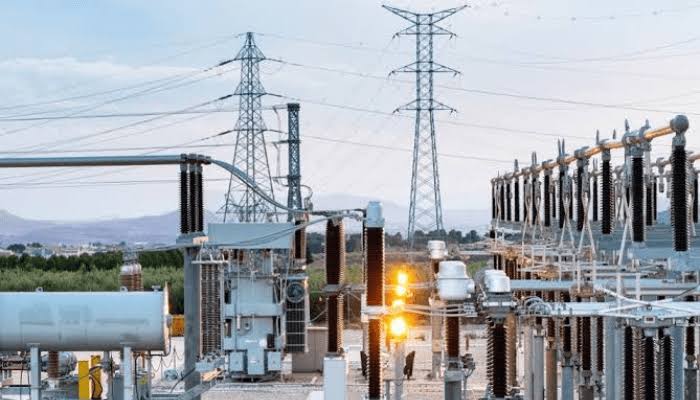
The conference underscored that Nigeria’s power sector faces a complex challenge: achieving cost-reflective tariffs that sustain operations and investments while making electricity accessible and affordable.
Stakeholders agreed that decentralised energy solutions, transparent tariff frameworks, and adherence to consumer rights are critical pillars for a sustainable and inclusive electricity market in Nigeria.
We’ve got the edge. Get real-time reports, breaking scoops, and exclusive angles delivered straight to your phone. Don’t settle for stale news. Join LEADERSHIP NEWS on WhatsApp for 24/7 updates →
Join Our WhatsApp Channel