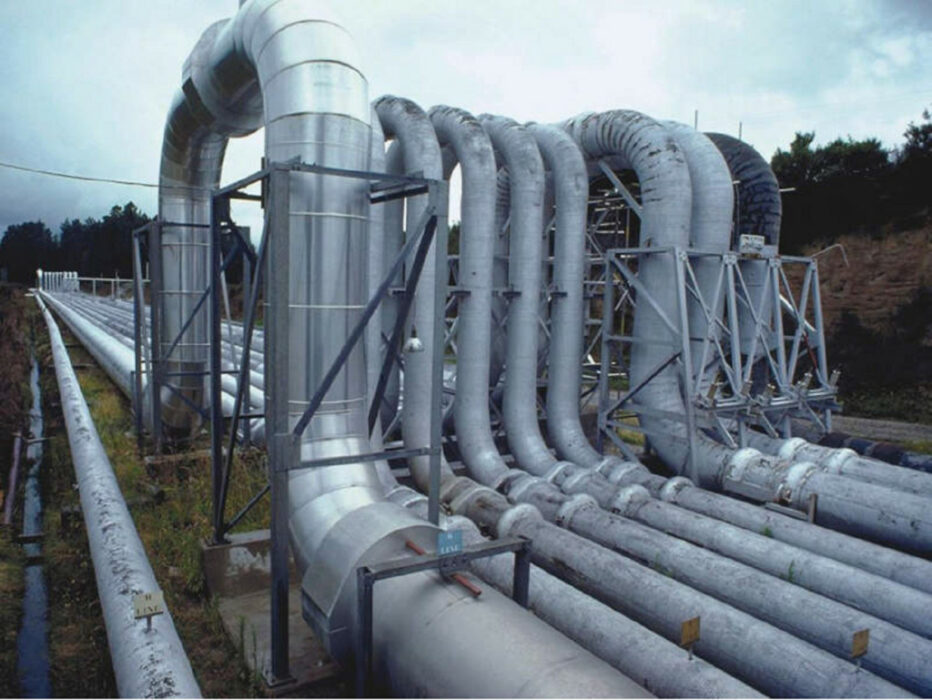
Nigeria is running out of time in the global race to reduce carbon emissions. From record heatwaves to widespread flooding and declining agricultural productivity, the climate crisis is already reshaping daily life across the country. Yet despite our urgent need for solutions, one of the most powerful tools for emission reduction is hiding in plain sight: our pipeline infrastructure.
Pipelines are often discussed only in relation to oil and gas production, vandalism, or losses along major corridors. But in the context of climate action, they are not just industrial assets — they are potential engines for a low-carbon future. If modernised with the right technology, Nigeria’s pipeline network could drastically reduce methane leakage, eliminate routine flaring, support carbon capture initiatives, and help accelerate the country’s energy transition.
To understand how, we must first recognise why pipelines remain central to Nigeria’s climate and energy strategy.
Why Pipelines Matter for Nigeria’s Decarbonisation Goals
- Pipelines Enable Gas-Driven Energy Transition
Natural gas is widely accepted as the world’s leading transition fuel. For Nigeria, which holds Africa’s largest proven gas reserves, gas is the quickest way to replace diesel, petrol, and even heavy fuel oil in industries and power generation.
But gas only becomes useful if it can be moved efficiently. Pipelines provide the lowest-emission and most reliable method of transporting large gas volumes across long distances. With projects like the Ajaokuta–Kaduna–Kano (AKK) pipeline, Escravos–Lagos Pipeline System (ELPS), and OB3 pipeline, Nigeria is already positioned to expand gas-based power, reduce generator dependence, and lower national emissions.
- They Are the Backbone of Gas Flaring Reduction
Nigeria is among the world’s top gas-flaring nations. According to the World Bank’s Global Gas Flaring Tracker, Nigeria flares more than 7% of all gas flared worldwide, releasing huge amounts of CO₂, methane, and soot. Pipelines are essential for collecting and transporting this associated gas for processing, turning waste into economic value and reducing a major source of emissions.
- They Can Support Future Carbon Capture, Utilisation and Storage (CCUS)
As industries seek ways to capture CO₂ from factories and refineries, pipelines will be needed to move CO₂ to storage hubs or injection sites. The Nigeria CO₂ Storage Atlas, launched in collaboration with the World Bank and development partners, shows that the country has significant geologic potential for long-term carbon storage, and pipelines will play a critical role in connecting industries to those reservoirs.
- They Improve Safety and Reduce Exposure to Pollutants
Transporting fuel via trucks leads to traffic emissions, road accidents, fuel evaporation losses, and frequent spills. Pipelines eliminate most of these risks, making them both safer and cleaner when properly maintained.
The Problems We Must Solve With Technology
Modernising Nigeria’s pipeline infrastructure requires confronting the system’s weaknesses. While pipelines are more environmentally friendly than alternatives, they still contribute to emissions, especially when poorly maintained or frequently vandalised.
- Methane Leakage (Fugitive Emissions)
Methane is 84 times more potent than CO₂ over 20 years, and leaks from pipelines, valves, and compressor stations accelerate global warming dramatically. In Nigeria, methane leakage is common because many pipeline lines are decades old and suffer from corrosion, tampering, and delayed maintenance.
The environmental impact is severe, but so is the public health impact. Methane contributes to ground-level ozone, which worsens asthma, irritates the eyes, and increases the risk of chronic respiratory problems.
- Pipeline Vandalism and Illegal Tapping
Vandalism is one of Nigeria’s most damaging environmental problems. Sabotaged pipelines spill crude oil into waterways, mangroves, and farmlands, especially in the Niger Delta, areas already struggling with ecological degradation. This also contributes to air pollution as stolen crude is often refined in open fires, releasing toxic emissions into communities.
- Operational Emissions and Aging Infrastructure
Compressors, generators, pumping stations, and other pipeline components produce CO₂ and nitrogen oxides (NOₓ). Since many assets rely on diesel-powered equipment, operational emissions remain high.
- Inconsistent Regulatory Enforcement
Nigeria has made progress in emissions regulation, but gaps remain, especially around:
- Standards for methane leak reporting
- Maintenance enforcement
- Adoption of digital monitoring
- Flaring penalties and incentives
Strong regulations drive technological adoption, but enforcement must match ambition.
Pipeline Technology Innovations That Can Cut Emissions
To transform pipelines into a climate asset, Nigeria must aggressively adopt advanced technologies. Below are the most impactful innovations.
- Advanced Leak Detection and Repair (ALDR)
Drones and Aerial Surveillance
Drones equipped with infrared cameras, thermal sensors, and laser-based methane detectors (LiDAR) can monitor large pipeline corridors quickly. They identify tiny leaks in real time, allowing response teams to act before a small leak becomes a major emission disaster.
Helicopters equipped with imaging technology are also useful for wider-area scans.
Satellite Monitoring
Global satellite networks now track methane plumes with high accuracy. Nigeria can integrate satellite data with local surveillance to identify leaks across remote or high-risk areas.
- Fiber Optic Sensing (FOS) for Anti-Vandalism Protection
Fiber optic cables embedded along pipelines detect:
- Ground vibrations
- Acoustic disturbances
- Pressure changes
- Physical tampering
This allows operators to know instantly when illegal tapping or digging occurs. FOS technology is one of the most effective ways to prevent vandalism, reduce spills, and protect communities living near pipelines.
- Digital Twin Technology
A digital twin is a virtual model of a pipeline system that simulates performance, detects stress or corrosion, and predicts failure points. With AI integration, operators can reduce emissions by planning repairs proactively rather than reacting after a breach.
- Eliminating Gas Flaring Using Mobile Gas Processing Units
Small, mobile gas processing systems can be deployed directly at flare points. They convert associated gas into:
- Liquefied Petroleum Gas (LPG)
- Electricity
- Dry gas
- Gas-to-liquids (GTL) products
This innovation directly removes one of Nigeria’s largest sources of greenhouse gas emissions.
- Smarter Spill Cleanup Technologies
When spills do occur, rapid cleanup is essential. New materials such as hydrophobic sorbents, bio-remediation agents, and activated carbon composites are far more effective at removing crude oil from water and soil.
These tools prevent long-term contamination and reduce environmental degradation.
- Low-Carbon Materials for Pipeline Construction and Upgrade
New pipelines and retrofit projects can use:
- High-strength, low-carbon steel
- Composite materials
- Energy-efficient insulation
- Smart glass and low-energy systems for control buildings
By using cleaner materials, Nigeria reduces emissions from the construction phase and improves operational efficiency.
- Renewable-Powered Pipeline Operations
Solar mini-grids and hybrid renewable systems can power:
- Remote monitoring stations
- Valve control systems
- Flow meters
- Compressors
Replacing diesel generators with solar or hybrid systems significantly reduces operational emissions.
Where Nigeria Stands Today
Nigeria has begun to embrace digital technology and emissions-reduction strategies. Key steps include:
Launch of the Nigeria CO₂ Storage Atlas, identifying geologic formations suitable for storing captured carbon
National Gas Expansion Programme (NGEP) promoting gas as a transition fuel
Pipeline Surveillance Contracts aimed at reducing vandalism
Several methane-reduction initiatives, supported by international partners
But adoption remains slow. Weak enforcement, insufficient funding, and limited digital capacity are still major barriers.
Conclusion
Nigeria’s pipeline infrastructure is often seen as an ageing liability but with the right technology, it becomes a strategic asset for national decarbonisation. From leak detection drones to fiber optic sensing, from digital twins to renewable-powered operations, innovation can dramatically reduce emissions while improving safety, reliability, and economic efficiency.The moment demands speed. If Nigeria modernises its pipelines now, the country can:
- Cut methane emissions
- Eliminate routine flaring
- Strengthen energy security
- Create jobs in the tech-driven energy sector
- Build the backbone for future CO₂ transport and storage
Pipelines are the foundation for a cleaner, healthier, more resilient Nigeria. The challenge ahead is not technological; it is the will to act, enforce, and innovate at the pace that climate reality demands.
We’ve got the edge. Get real-time reports, breaking scoops, and exclusive angles delivered straight to your phone. Don’t settle for stale news. Join LEADERSHIP NEWS on WhatsApp for 24/7 updates →
Join Our WhatsApp Channel