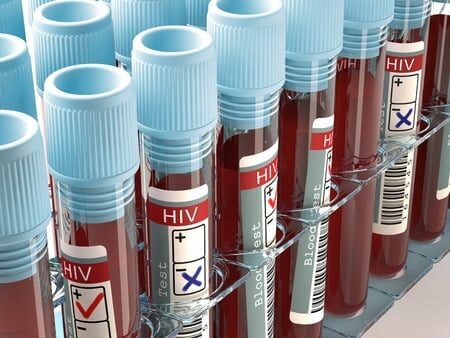
The United Nations Population Fund (UNFPA) has warned that an estimated 3.3 million additional people could acquire HIV by 2030 unless urgent steps were taken to reverse ongoing disruptions affecting global prevention programmes.
The agency stressed that recent funding cuts were seriously undermining efforts in vulnerable regions and communities, placing millions at greater risk and and threatening the progress achieved in reducing new infections over the years.
The warning was issued by UNFPA Executive Director, Diene Keita, in a statement on Monday to mark the 2025 World AIDS Day, commemorated every December 1.
She called for renewed focus on stabilising jeopardised prevention programmes and sustaining global commitment to the HIV response.
The 2025 theme, “Overcoming disruption, transforming the AIDS response,” highlights the mounting challenges facing HIV programmes worldwide and underscores the need to rebuild weakened systems, many of which have been affected by reduced funding and shifting political and economic priorities.
According to Keita, despite major advances in medical technologies and public health policies, decades of progress are now increasingly at risk. She noted that essential prevention gains were being eroded as critical services struggled to reach people most vulnerable to infection.
She explained that severe cuts in international aid were destabilising HIV prevention efforts, particularly in sub-Saharan Africa, where millions depend on donor-supported programmes for access to accurate information, prevention tools and vital community-based support.
Keita revealed that nearly 2.5 million people have lost access to lifesaving Pre-exposure Prophylaxis (PrEP) due to diminished resources. She added that countries responsible for half of last year’s new HIV infections were suffering the harshest effects of declining funding.
She warned that failure to swiftly reverse the trend could result in 3.3 million additional HIV infections by 2030, with adolescent girls and young women bearing the greatest burden in many communities.
She further noted that girls and women aged 15 to 24 accounted for one quarter of new HIV infections in sub-Saharan Africa. Factors such as gender inequality, violence and social stigma, she said, significantly limited their ability to access care and protective services.
Keita emphasised that the impact of AIDS extends beyond health, contributing to increased maternal mortality, limiting women’s rights and choices, and creating lasting social and economic consequences for families and communities. She described prevention as a crucial element of broader development and gender equity goals.
To sustain progress, she called for stronger national leadership, sustainable financing and meaningful policy reforms that would expand access to care and safeguard populations that rely heavily on public health interventions.
Keita also stressed that addressing gender inequality, stigma and violence would reduce conditions that heighten vulnerability to HIV, especially among young women who lack consistent access to accurate information, supportive environments and economic opportunities.
She highlighted the importance of integrating HIV services into existing sexual and reproductive health systems, including maternal care and family planning services, to better reach women and girls through healthcare structures they already use.
Describing the current moment as a “crossroads,” Keita reaffirmed UNFPA’s commitment to supporting countries in strengthening prevention, treatment and related services for adolescent girls, young women and other high-risk populations.
She noted that collective global efforts have already saved nearly 27 million lives, but warned that sustained momentum is critical to achieving remaining targets and ensuring future generations live free from HIV and AIDS-related burdens.
Keita urged global stakeholders to unite and build on proven strategies, insisting that an AIDS-free future remains achievable through coordinated commitment and sustained investment in evidence-based prevention.
World AIDS Day, established in 1988 by the World Health Organisation, is observed each year to raise awareness, honour lives lost and mobilise global action towards ending AIDS as a public health threat.
We’ve got the edge. Get real-time reports, breaking scoops, and exclusive angles delivered straight to your phone. Don’t settle for stale news. Join LEADERSHIP NEWS on WhatsApp for 24/7 updates →
Join Our WhatsApp Channel