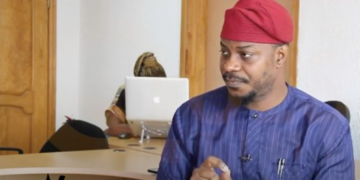
The Senior Staff Association of Nigerian Universities (SSANU) has warned that it may initiate a nationwide strike in January 2026 due to the deepening marginalisation of non-teaching staff and the government’s failure to address long-standing grievances.
The union issued the warning in a communiqué released after its 53rd National Executive Council (NEC) meeting, where it reviewed security concerns across institutions and noted the rising wave of kidnappings targeting schools in Niger and Kebbi States.
The communique signed by SSANU national president, Comrade Mohammed Ibrahim, urged federal and state authorities to strengthen surveillance systems, improve perimeter security, and provide comprehensive insurance for university workers.
It stated that the deteriorating environment was exposing staff and students to increasing risks and demanded immediate intervention.
The communiqué also criticised the government’s handling of earned allowances and ongoing negotiation processes, saying non-teaching staff had been repeatedly sidelined. It insisted that the N50 billion captured in the 2022 Memorandum of Understanding (MoU) must be released without delay and that inter-university centres and research institutes be included in the next disbursement.
It cautioned that failure to conclude credible renegotiations by December 31, 2025, would trigger a total and system-wide industrial action.
“We insist that the N50 billion agreed in the 2022 MoU must be released without further delay. The continued exclusion of non-teaching staff in government engagements is unacceptable.”
If the government fails to present a credible offer by December 31, 2025, we will have no choice but to embark on a total and comprehensive industrial action.
“No policy will be accepted if it threatens the job security or welfare of our members,” the statement added. SSANU remains committed to dialogue but will not hesitate to take lawful steps to defend the dignity of its members,” he said.
The NEC also raised concerns over proposed public-private partnership models for municipal services in universities. It warned that similar arrangements in other sectors had resulted in job losses and wage cuts. The council said no policy affecting workers’ job security would be accepted without thorough engagement and a comprehensive labour impact assessment.
The union lamented the persistent underfunding of universities, citing unstable electricity, poor water supply, dilapidated hostels, and obsolete laboratory equipment. It said weakened infrastructure was crippling research and learning while exposing campuses to security threats. It called for predictable funding backed by strict accountability measures to reverse the decline.
We’ve got the edge. Get real-time reports, breaking scoops, and exclusive angles delivered straight to your phone. Don’t settle for stale news. Join LEADERSHIP NEWS on WhatsApp for 24/7 updates →
Join Our WhatsApp Channel