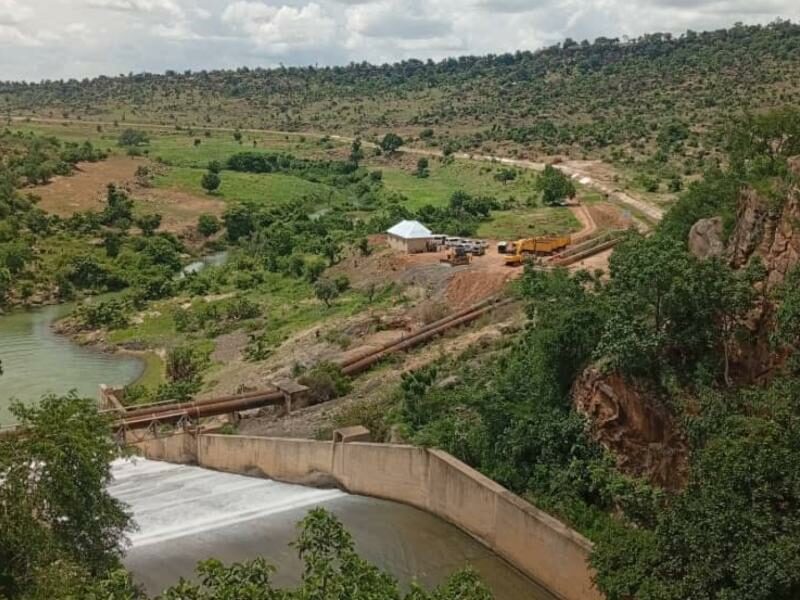
The European Union’s commitment to sustainable development in Nigeria is taking shape at the Balanga Dam in Gombe State, where an EU-funded small hydropower project is scheduled for commissioning in March 2026.
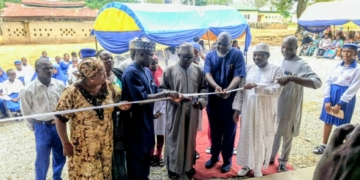
The announcement came during an impact visit by officials from the European Union Delegation to Nigeria and ECOWAS, who observed the dam’s transition from an underutilised irrigation facility to a multi-purpose hub for renewable energy and agriculture.
Constructed between 1979 and 1984 to support irrigation and water supply, the dam operated for decades solely for irrigation purposes.
With EU support, delivered in partnership with UNIDO, the Gombe State Government, and other stakeholders, the facility is now being upgraded to generate 320 kilowatts of hydropower. This will be complemented by an additional 300 kilowatts of solar PV, bringing total renewable energy output to 620 kilowatts.
Inga Stefanowicz, Head of Section, Green and Digital Economy at the EU Delegation, said the initiative demonstrated the value of strong partnerships.
“The European Union’s support shows how international collaboration can transform infrastructure into engines of growth and opportunity. Balanga is a model of sustainable development, bringing energy, jobs, and economic empowerment together in one integrated initiative.”
Stefanowicz praised the state government for its leadership. “Gombe State has shown remarkable commitment in securing co-funding and partnering effectively with the EU. This project is a blueprint for how governments and international partners can work together to deliver tangible results for communities.”
Commissioner of Water, Environment and Forest Resources, Mohammed Saidu Fawu, described the project’s significance for the state.
“For years, the dam was underutilised, but today it is a hub of activity. The project is creating employment opportunities, supporting livelihoods, and ensuring that the people of Gombe benefit directly from the resources in their communities.”
The energy generated will primarily serve a proposed agro-processing zone located three kilometres from the dam. The zone will enable farmers to convert crops such as rice into finished products, expanding income opportunities and strengthening the agricultural value chain. The project also includes an expansion of irrigation canals, increasing the cultivable area from 2,200 hectares to nearly 11,000 hectares.
UNIDO Representative, Azubike Emechebe, highlighted the broader socio-economic impact. “Through this initiative, youth and local communities are being empowered. The EU’s funding ensures productive use of energy, creating jobs, improving livelihoods, and enabling industries to grow.”
Programme Manager on Green and Circular Economy, Godfrey Ogbemudia, described the project’s impact on quality of life. “This project transforms Balanga from a quiet town into a hub of energy and opportunity. Reliable electricity will power businesses, schools, and homes, improving the daily lives of residents.”
On the benefits at night, he added: “Balanga at night will no longer be a place of darkness. With consistent electricity, homes, businesses, and schools can function fully, and communities will thrive.”
The Paramount Ruler of the Waja Chiefdom, HRH Mohammed Danjuma Muhammad, assured the visiting delegation of the community’s strong ownership and commitment to safeguarding the infrastructure.
The EU-funded project, expected to be fully commissioned by March 2026, stands as a demonstration of international cooperation, sustainable development, and community empowerment.
We’ve got the edge. Get real-time reports, breaking scoops, and exclusive angles delivered straight to your phone. Don’t settle for stale news. Join LEADERSHIP NEWS on WhatsApp for 24/7 updates →
Join Our WhatsApp Channel