My Purpose
I set out to examine whether Nigeria’s recently gazetted tax reform bills truly align with the texts debated and approved by Parliament, against the backdrop of claims that the gazetted versions include additions not debated or ratified. At the core of my purpose lies a conviction: the integrity of the legislative process is at stake, and should post-debate executive modifications be confirmed, they would raise grave questions of constitutional propriety, democratic legitimacy, and governance stability. I insist that fairness, transparency, and constitutional fidelity must underpin tax reform of this magnitude, and I compel readers to consider that the will of the people, expressed through the National Assembly, must be safeguarded from post hoc alterations. I call for transparent scrutiny by the key legislative figures—the Speaker of the House and the President of the Senate—to compare the harmonised bills with the gazetted texts, so that we may establish the nature and impact of any alterations before the enforcement date of January 1, 2026. The implications extend beyond mere legal propriety; they threaten public confidence in institutions, the doctrine of the separation of powers, and investor certainty. In my view, these concerns are essential to constitutional stewardship and sound economic governance.
Introduction
In the wake of controversial developments within Nigeria’s National Assembly, serious questions have been raised about the integrity of recently gazetted tax reform legislation. The debate centres on whether the versions shown to the public and debated in Parliament correspond meaningfully to the texts subsequently gazetted and signed into law. The implications, analysts warn, extend beyond constitutional propriety and into the realms of economic stability and public trust.
Background and the Core Concern
A recent floor discussion in the House of Representatives, led by Hon. Abdulsamad Dasuki, brought to the fore allegations that additional clauses and material alterations appeared in the gazetted tax statutes signed by the President—alterations which were neither debated nor approved by the National Assembly. If proven, such discrepancies would almost certainly constitute a constitutional infraction of significant gravity, with potential repercussions for governance and democratic legitimacy.
From the perspective of the Supreme Council for Shari’ah in Nigeria (SCSN), tax policy plays a pivotal role in shaping the lives and livelihoods of Nigerians, including individuals, businesses, and institutions—religious, social, and economic alike. The Council contends that fairness, equity, transparency, and constitutional compliance must underpin any reform of this magnitude.
Constitutional Integrity and Public Confidence
What Nigerians collectively deliberated, scrutinised, and endorsed through their elected representatives should remain inviolate in the formal instruments that enact law. The possibility that executive action could modify the text after parliamentary debate raises questions about the sovereignty of the people’s will and the proper architecture of constitutional governance.
Calls for Transparent Scrutiny
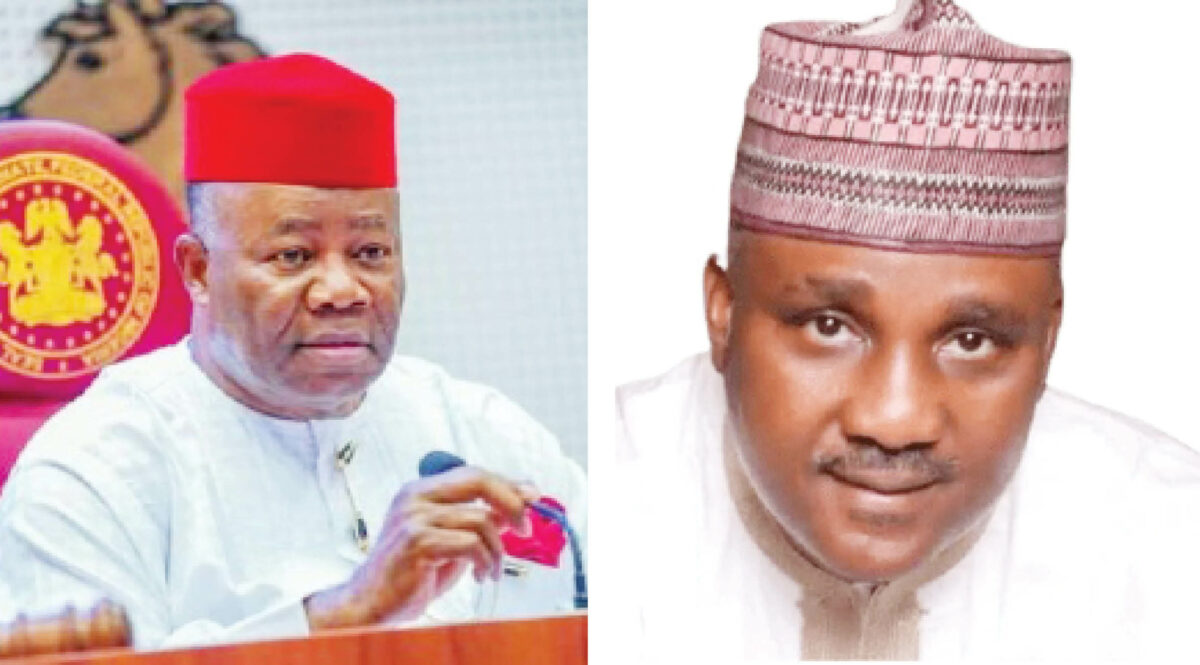
I believe that, in light of these concerns, stakeholders—most notably the leadership of the National Assembly, including the Speaker of the House of Representatives, Rt. Hon. Tajuddeen Abbas, and the President of the Senate, Senator Godswill Akpabio—must ensure that any claims of alteration are subjected to transparent examination. My aim is to enable a rigorous, open comparison of the harmonised bills passed by both chambers with the gazetted versions before the forthcoming enforcement date of January 1, 2026. Nigerians deserve nothing less than clarity, accountability, and fidelity to the process.
Why This Matters in Practice
The consequences of potential discrepancies extend beyond procedural irritants. Analysts warn that erosion of public confidence in institutions, a weakened doctrine of separation of powers, and heightened economic uncertainty could follow any perception of negotiability in lawmaking. The fear is not merely legal but interpretive: laws with contested origins may face constitutional challenges, inviting protracted disputes and investor hesitation.
A Call for Urgency and Professionalism
In addressing the matter, I stress the need for urgency, sincerity, and transparency. As Nigeria approaches the implementation of these tax reforms, the insistence is on preserving constitutional order and reinforcing the credibility of governance institutions. The will of the people, as expressed through the National Assembly, should be respected and safeguarded from any perception of overreach or procedural expediency.
I remind readers, with a clear-eyed tenderness, that tax legislation, in its essential character, demands the highest standards of integrity and fidelity to due process. The public, I contend, must trust that fiscal obligations arise from texts whose authority is both authentic and enduring, not from drafts susceptible to sudden, ad hoc revision. Governance, at its best, is a patient hinge between intention and implementation, where transparency is not a constraint but a guardian of the common good.
Conclusion
As the nation prepares for the rollout of its tax reforms, the public discourse surrounding the integrity of the legislative process will continue to be a touchstone for democracy in Nigeria. The questions raised by the alleged discrepancies invite careful, transparent scrutiny—an exercise, some would say, in constitutional stewardship as much as in financial policy.
Nafiu Baba-Ahmad, mni, serves as Secretary-General of the Supreme Council for Shari’ah in Nigeria (SCSN).
We’ve got the edge. Get real-time reports, breaking scoops, and exclusive angles delivered straight to your phone. Don’t settle for stale news. Join LEADERSHIP NEWS on WhatsApp for 24/7 updates →
Join Our WhatsApp Channel