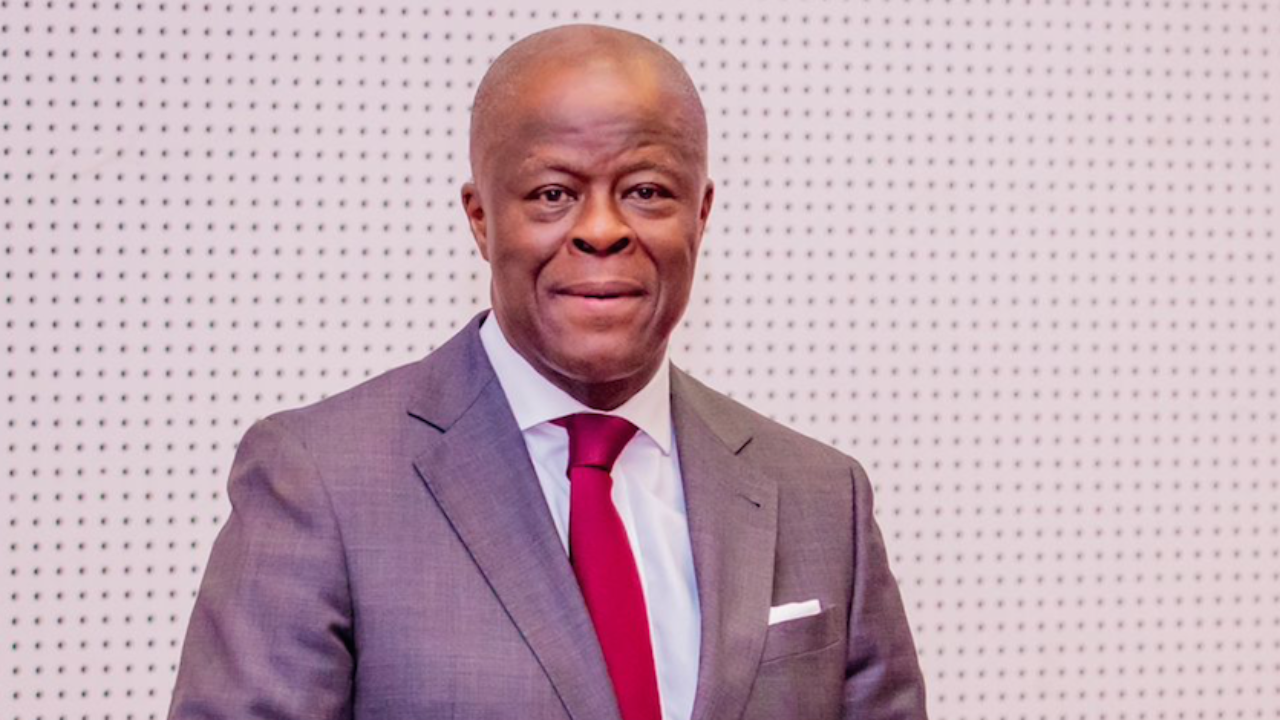
The federal government has set an ambitious target to raise Nigeria’s tax-to-GDP ratio to 18 per cent in the short term as part of broader fiscal reforms aimed at channelling more resources into social services and infrastructure development.
The minister of finance and coordinating minister of the economy, Wale Edun, disclosed this during an interview with Bloomberg’s Francine Lacqua on the programme “Leaders” at the World Economic Forum (WEF) 2026 in Davos, Switzerland.
Speaking on Day 2 of the forum, Edun emphasised that Nigeria’s reform agenda is anchored on fiscal discipline, credibility, and sustained dialogue, particularly in an era of global economic fragmentation and uncertainty.
“The aim in the short term is to get the tax-to-GDP ratio up to 18 per cent and channel resources into social services and infrastructure,” the minister stated, highlighting the government’s commitment to attracting investment and leveraging the country’s vast resources for sustainable economic growth.
Nigeria’s tax-to-GDP ratio reportedly rose to 13.5 per cent in late 2025, up from under 10 per cent, driven by comprehensive tax reforms designed to broaden the tax base and improve revenue generation across multiple sectors of the economy.
The improvement is seen as a significant milestone in the government’s efforts to reduce dependence on oil revenues and build a more diversified fiscal framework.
The minister’s remarks at the World Economic Forum come a day after he announced that the federal government would significantly reduce borrowing in 2026, signaling a strategic shift toward greater fiscal responsibility and enhanced domestic resource mobilisation.
The policy direction underscores the administration’s determination to address Nigeria’s debt sustainability challenges while creating fiscal space for critical development priorities.
Edun further emphasised Nigeria’s substantial investable potential, assuring global investors and development partners of the government’s unwavering determination to maintain reform credibility despite prevailing global economic uncertainties and headwinds.
“At a time of global fragmentation, Nigeria is focused on discipline, reform credibility, and sustained dialogue,” the minister noted, adding that these principles would guide the country’s engagement with the international community and private sector stakeholders.
The tax reforms, which have been central to the government’s economic recovery strategy, include measures to enhance tax administration efficiency, close revenue leakages, reduce informality in the economy, and ensure compliance across all income brackets. The government has also introduced technology-driven solutions to improve tax collection mechanisms and transparency in revenue management.
Industry analysts have commended the government’s ambitious revenue targets but stressed the importance of ensuring that increased tax collection does not stifle economic growth or place undue burden on struggling businesses and households. They called for a balanced approach that prioritises expanding the tax net to capture previously untaxed sectors while providing relief and incentives for compliant taxpayers.
The minister’s appearance at Davos also provided an opportunity to showcase Nigeria’s reform trajectory to potential investors and international financial institutions, with particular emphasis on opportunities in infrastructure, agriculture, technology, and renewable energy sectors.
As Nigeria navigates the complexities of economic reform amid global uncertainties, the success of the government’s fiscal consolidation strategy will largely depend on practical implementation, stakeholder buy-in, and the ability to demonstrate tangible improvements in service delivery and infrastructure development that justify increased revenue collection.
We’ve got the edge. Get real-time reports, breaking scoops, and exclusive angles delivered straight to your phone. Don’t settle for stale news. Join LEADERSHIP NEWS on WhatsApp for 24/7 updates →
Join Our WhatsApp Channel