
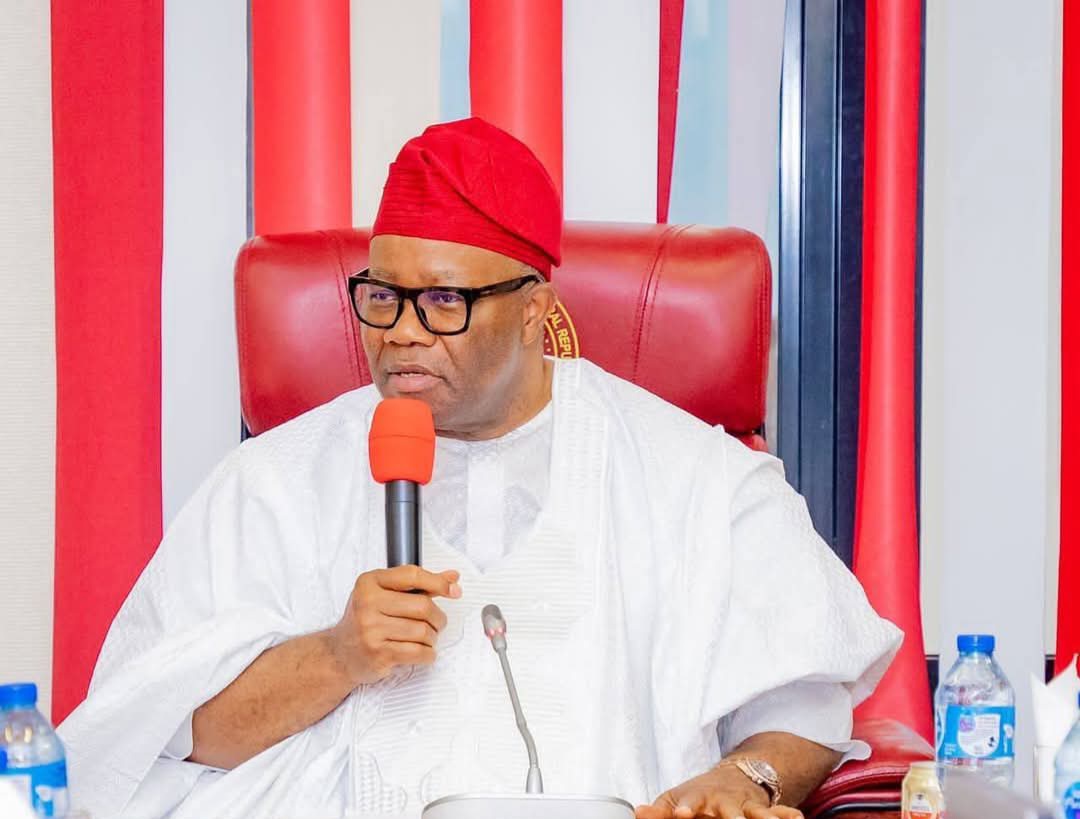
The Leader of the Senate, Senator Opeyemi Bamidele, has reaffirmed the National Assembly’s commitment to deepening electoral reforms, strengthening economic governance, and safeguarding public trust as the lifespan of the 10th National Assembly enters its final 16 months.
In a statement issued to journalists yesterday in Abuja, titled “The Trust We’ll Never Breach” to mark the resumption of plenary, Senator Bamidele noted that with 32 months already spent out of the constitutionally allotted 48 months, the Assembly remains focused on delivering people-centred reforms in response to Nigeria’s pressing national and global challenges.
According to him, the rapidly changing global environment demands swift yet carefully considered legislative action to protect Nigeria’s national interests, strengthen peace and security, and reposition the economy for competitiveness and foreign direct investment.
“At this critical time, we cannot afford to lag behind or slow down in responding to the challenges confronting our nation,” Bamidele said, adding that the National Assembly is guided by the mandate of Nigerians for a cohesive nation, a vibrant economy, and a resilient republic.
The Senate Leader stressed that the Assembly remains conscious of the trust reposed in it by citizens, describing it as a burden lawmakers are determined to defend and never betray, irrespective of political affiliation, religion, or constituency.
Reflecting on the past 32 months, Bamidele said the National Assembly has pursued far-reaching reforms across key sectors of the economy, aimed at transitioning Nigeria from an extraction-dependent to a diversified, productive, and globally competitive economy.
Looking ahead, he said the next 16 months would be equally demanding, with the legislature resolved to conclude critical reforms relating to electoral governance and constitutional review, while consolidating existing initiatives to make governance more efficient and people-oriented.
A major priority, according to him, is the scrutiny and passage of the ₦58.47 trillion 2026 Appropriation Bill presented by President Bola Tinubu to the joint session of the National Assembly on December 18, 2025.
“The 2026 budget is crucial to the growth, prosperity, and stability of our economy, especially as it seeks to consolidate gains made in previous years,” he said, expressing optimism that ongoing fiscal reforms would help restore the January–December budget cycle.
Bamidele highlighted the enactment of the 2025 Tax Reform Act as a milestone that has recalibrated Nigeria’s fiscal space by easing the tax burden on low-income earners while increasing responsibilities for high-income earners, a move he said would improve revenue generation and gradually reduce budget deficits.
On electoral reforms, the Senate Leader disclosed that the National Assembly is prioritising the passage of the Electoral Bill, 2025, aimed at guaranteeing credible, transparent, and secure elections in 2027.
He said lawmakers are currently reviewing the Electoral Act, 2022, clause by clause to strengthen the integrity of the electoral process.
Among key provisions of the proposed legislation are the recognition of voting rights for eligible prisoners, early release of election funds to INEC, electronic voter identification with QR codes, mandatory electronic transmission of results, standardisation of delegates for party primaries, stricter voter registration requirements, higher penalties for electoral offences, and stiffer sanctions for vote buying and result falsification.
“These provisions introduce a system of consequences into our electoral regime and foreclose the possibility of impunity,” Bamidele said, adding that if passed, the reforms would significantly enhance electoral credibility beginning from 2027.
He also disclosed that the review of the 1999 Constitution has reached an advanced stage, with technical sessions and public hearings concluded.
He said the report of the exercise would be presented to the Senate before the end of the first quarter of 2026.
Bamidele noted that the constitutional amendment process would require approval by at least two-thirds of the 36 State Houses of Assembly, emphasising the critical role of state legislatures in completing the exercise.
He concluded by reaffirming that good governance, enhanced security, and the welfare of Nigerians would remain the core objectives of the 10th National Assembly.
“At the end of it all, reinforcing public trust in the National Assembly and in our country remains our overriding duty,” the Senate Leader said.
We’ve got the edge. Get real-time reports, breaking scoops, and exclusive angles delivered straight to your phone. Don’t settle for stale news. Join LEADERSHIP NEWS on WhatsApp for 24/7 updates →
Join Our WhatsApp Channel