
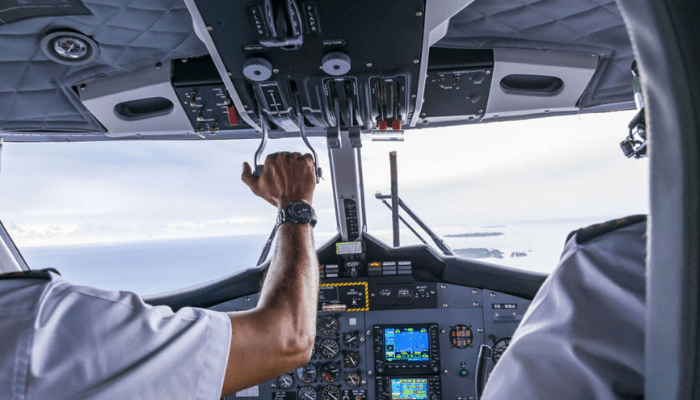
After recording strong peak-season operations with aircraft operating near full capacity, domestic airlines are now lamenting a sharp drop in passenger load factors, a trend already translating into significant revenue losses.
Speaking on the development, Airline Operators of Nigeria (AON), noted that from late January through February, airlines are expected to operate with very low passenger demand, describing the period as a low season for the industry.
The chairman of United Nigeria Airlines, Prof Obiorah Okonkwo, also the spokesperson of the AON, disclosed that most local carriers are currently flying at a loss due to the drastic fall in passenger traffic.
“I have checked my capacity today, and some routes are averaging below 50 per cent load factor. As industry experts, we know that even at 75-80 per cent passenger load, airlines are still losing money. So we expect to continue incurring losses for the next month or even a few months,” he said.
He explained that in many parts of the world, airlines respond to such low-demand periods by grounding aircraft, leaving only operators with sufficient financial capacity to absorb operational losses. According to him, revenues for February and March must therefore be factored into annual financial projections.
“You have financial obligations to banks, and before you can borrow, you must present business plans and financial projections. So there needs to be more understanding of how the industry works. We do not even have the opportunity to form a cartel or fix prices,” he stated.
Okonkwo also dismissed allegations that airlines deliberately block their booking portals to deny passengers access to cheaper fares ahead of peak seasons, explaining that regulatory requirements often dictate such actions.
He noted that airlines are not permitted to sell tickets for aircraft that are not yet in their possession or approved for operation.
“For instance, if United Nigeria is waiting for an Aircraft, Crew, Maintenance and Insurance (ACMI) wet-lease aircraft to operate routes in December, and that aircraft arrives in Nigeria in mid-November, until it is inspected and approved by the Nigeria Civil Aviation Authority (NCAA), we cannot sell tickets for it,” he explained.
According to him, unlike in some countries, Nigerian airlines do not have the luxury of keeping aircraft year-round, as many operators bring in wet-lease aircraft for specific peak seasons and return them by the end of March.
“You cannot offer what you do not have without violating NCAA rules. If United Nigeria does not have a flight on a certain day and Air Peace is operating, they may be using an E2 aircraft with about 100 seats, while I may be operating an A320 with fewer seats,” he added.
He stressed that misinformation has led to unfair criticism of airlines, insisting that carriers do not block portals to manipulate prices.
“It is not fair to say airlines block portals to make money. Airlines are free to offer tickets and passengers are free to buy them. Prices are progressive,” he said.
On rising airfares, Okonkwo attributed the trend to high operating costs such as jet fuel, aircraft maintenance and financing, noting that fares cannot be adjusted solely based on passengers’ income levels.
“It is expensive to procure equipment. If you go to a bank to borrow about N100 billion at what is considered a favourable interest rate of 30 per cent, you are paying a minimum of N30 billion in interest alone. These costs must be factored into operations,” he explained.
He added that deregulation of the aviation sector allows airlines to set ticket prices based on their operating costs, leaving passengers with the choice to buy or opt out.
We’ve got the edge. Get real-time reports, breaking scoops, and exclusive angles delivered straight to your phone. Don’t settle for stale news. Join LEADERSHIP NEWS on WhatsApp for 24/7 updates →
Join Our WhatsApp Channel