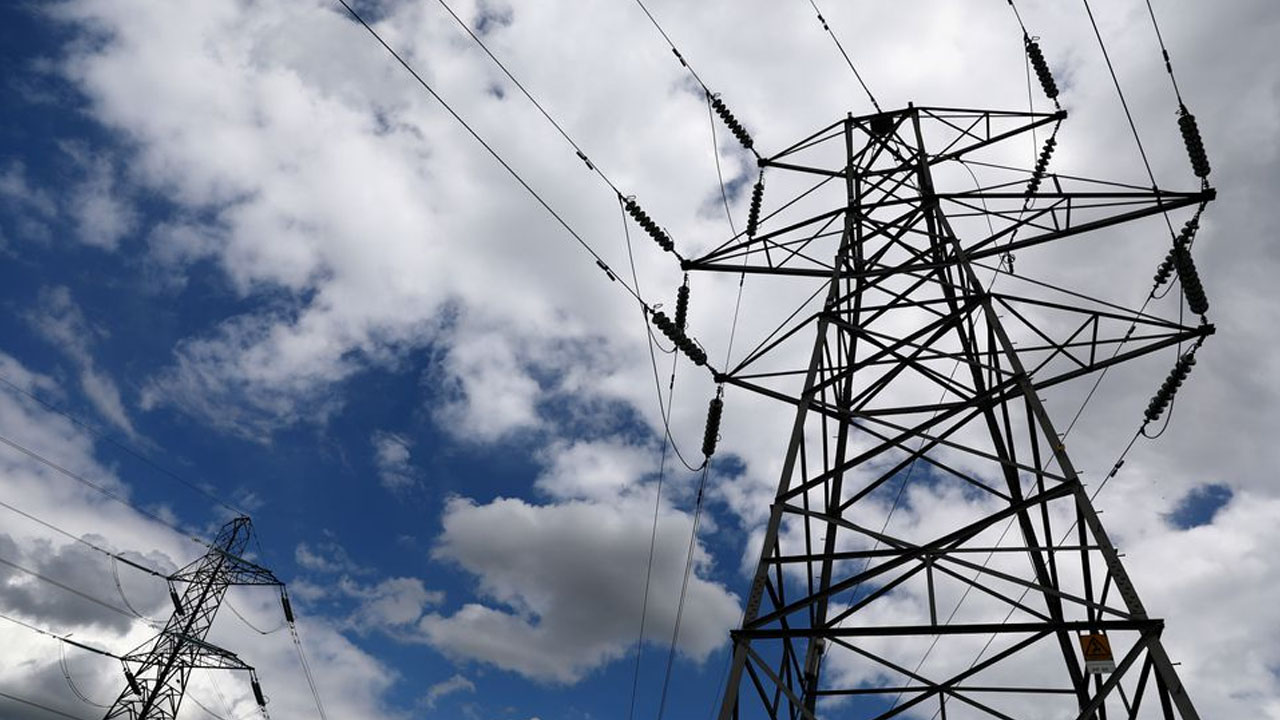
Nigeria’s electricity supply crisis and transmission infrastructure gap has been highlighted in the 2026 International Energy Agency’s (IEA) Electricity report.
According to the report, periodic supply shortages and transmission bottlenecks persist in countries such as Nigeria and Kenya, underlining the need for faster infrastructure upgrades alongside capacity additions.
Natural gas remains the dominant fuel in Africa’s power mix, accounting for more than 40 per cent of generation in 2025, with gas-fired output rising 2.3 per cent year-on-year. Gas generation is projected to grow at a similar average rate of 2.6 per cent annually through to 2030.
The report says that electricity demand in Africa rose by 5.2 per cent in 2025, up from 4 per cent the previous year, driven by improved power supply availability and targeted efforts to expand electricity access.
The IEA report however, notes that Nigeria continues to expand access, particularly through off-grid and distributed solar solutions, although significant challenges remain.
The report notes that demand growth across Africa is increasingly running up against constraints in generation capacity and grid infrastructure.
South Africa, which accounts for around a quarter of the continent’s electricity consumption, was a key contributor to the stronger growth after markedly improved supply availability.
Looking ahead, the IEA forecasts that Africa’s electricity demand will grow by an average of 3.9 per cent a year between 2026 and 2030, supported by population growth, urbanisation, rising industrial activity and continued electrification efforts.
Several countries are making tangible progress towards universal electricity access. Kenya is targeting full coverage by 2030, while Senegal aims to achieve the same by 2029.
Coal-fired generation, by contrast, is expected to remain broadly flat over the forecast period, assuming that availability levels in South Africa stay close to those recorded in 2025.
Oil-fired power generation is forecast to decline sharply, falling by an average of nearly 5.5% per year to 2030, with output eventually overtaken by both solar PV and wind generation.
Renewable energy sources are expected to see strong growth across the continent. Hydropower, wind and solar PV generation are all forecast to expand steadily, with multiple utility-scale solar projects incorporating co-located battery storage now under development in several African countries.
Nuclear power is also projected to increase towards the end of the decade. Egypt is expected to become Africa’s second nuclear power producer after South Africa, with the first unit of the El Dabaa nuclear power plant scheduled to enter operation before 2030.
Globally, the IEA says electricity demand is set to grow by more than 3.5 per cent per year on average over the rest of the decade, significantly outpacing overall energy demand as electrification accelerates across industry, transport and buildings. Rising electric vehicle adoption, increased air conditioning use, and rapid growth in data centres and artificial intelligence are among the key drivers.
The report finds that electricity generation from renewables – boosted by record solar PV deployment – is now in the process of overtaking coal globally, after the two sources drew level in 2025. Nuclear power output also reached a new record last year.
“At a moment of significant uncertainty across energy markets, one certainty is that global electricity demand is growing much more strongly than it did over the past decade. In this Age of Electricity, the increase in global power consumption through 2030 is set to be equivalent to adding more than two European Unions,” said IEA Director of Energy Markets and Security Keisuke Sadamori.
“Meeting this demand will require annual investment in grids to rise by 50% by 2030. Expanding flexibility will also be crucial as power networks continue to evolve – so will a strong focus on security and resilience.”
By 2030, renewables and nuclear combined are forecast to account for 50% of global electricity generation, up from 42 per cent today, marking a decisive shift in the global power mix as the “Age of Electricity” gathers pace, the IEA said.
We’ve got the edge. Get real-time reports, breaking scoops, and exclusive angles delivered straight to your phone. Don’t settle for stale news. Join LEADERSHIP NEWS on WhatsApp for 24/7 updates →
Join Our WhatsApp Channel