The House of Representatives has thrown its weight behind the Nigeria Police Force in the protection of downstream petroleum infrastructure, urging increased funding to strengthen energy security across the country.
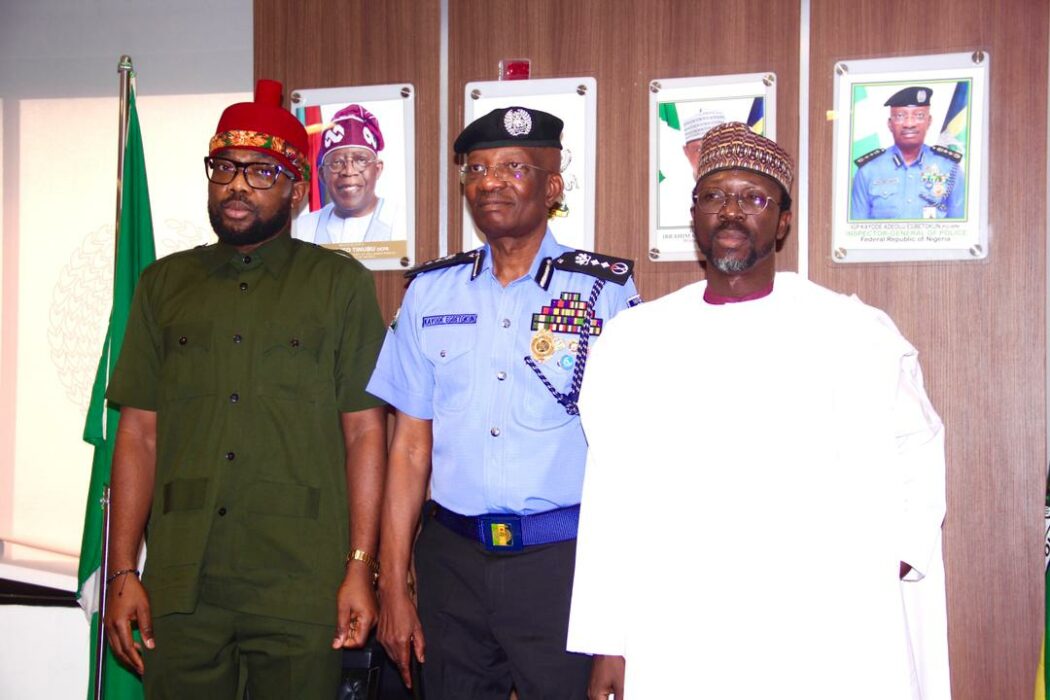
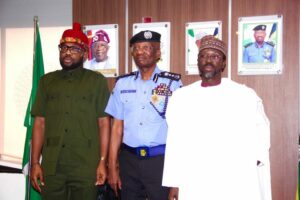
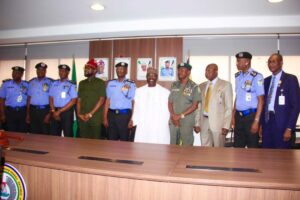
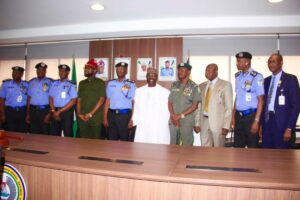
Members of the House Committee on Petroleum Resources (Downstream), led by its Chairman, Hon. (Barr.) Ikenga Imo Ugochinyere, made the call on Thursday during a commendation visit to the Force Headquarters in Abuja, where they presented a Special Award of Recognition to the Police for what they described as exceptional service in safeguarding pipelines, depots and other critical oil and gas assets.
Ugochinyere said the visit was aimed at deepening collaboration between the National Assembly and the Nigeria Police Force in securing downstream petroleum facilities and formally appreciating the Force for its contributions to national energy stability.
He described the Police as the “reliable backbone support” of the downstream sector, noting that fuel distribution and petroleum marketing could not function without law enforcement presence and operational stability.
According to him, the strategic deployment of officers along pipeline corridors and around storage depots has significantly reduced vandalism, product diversion and attacks on key facilities in several parts of the country.
He added that police escorts and highway monitoring units have enhanced the safe transportation of petroleum products from depots to retail outlets, curbing incidents of hijacking, theft and supply disruption.
Beyond physical protection, the lawmaker commended the Force for stabilising host communities along energy corridors through proactive engagement with local leaders and timely interventions that have reduced tensions and prevented operational shutdowns.
He also praised the collaboration between the Police and regulatory agencies in tackling illegal refineries, fuel racketeering and black-market operations, describing the efforts as critical to strengthening the integrity of the formal petroleum market.
“Closed or threatened filling stations have reopened safely, restoring access to fuel, mobility, agricultural logistics and small-scale economic activity,” Ugochinyere said, adding that improved security interventions in some regions had helped push back criminal and insurgent activities that previously disrupted supply lines.
While applauding the Force, the committee chairman stressed that the evolving petroleum landscape, now more transparent and technology-driven, required even closer coordination and enhanced operational capacity.
He called for intensified intelligence-led patrols along pipeline routes, rapid response to supply disruptions and sustained operations against illegal refineries and adulteration networks.
Among other proposals, the committee recommended the creation of a Standing Police Downstream Security Desk to improve coordination, joint operations with regulators to eliminate illegal market activities and enhanced protection for product movement in high-risk areas.
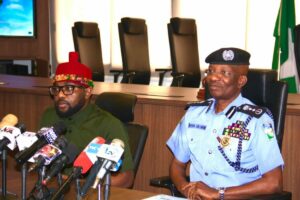
Responding, the Inspector-General of Police, Kayode Egbetokun, said downstream oil and gas installations were “not mere installations but the vital arteries of our national stability,” stressing that safeguarding them was central to Nigeria’s energy security and economic survival.
“These assets are not mere installations. They are the vital arteries of our national stability. They are critical to our energy security and to the welfare of our people,” he said.
Egbetokun disclosed that the Force had intensified operations against economic sabotage and criminal attacks on oil infrastructure, strengthened inter-agency collaboration and enhanced intelligence-sharing mechanisms nationwide.
He noted that increasingly sophisticated threats required continuous innovation, improved surveillance and modernised response strategies.
“The security landscape in Nigeria demands continuous improvement. Threat actors are becoming increasingly sophisticated, and we must match that sophistication with intelligence-driven policing and advanced operational capacity,” the IGP said.
He, however, emphasised that sustained protection of petroleum infrastructure could not be achieved without stronger legislative backing, particularly in the area of funding.
“To effectively confront these challenges, legislative support to improve funding for the Nigeria Police Force and indeed other security agencies is indispensable,” he said.
The IGP identified enhanced safety data systems, improved surveillance technology, advanced training for specialised units and better welfare for officers deployed to high-risk oil and gas operations as key areas requiring parliamentary intervention.
“Securing downstream oil and gas infrastructure is not just a security matter; it is a national economic necessity. Every facility protected represents job security for Nigerians and stability in oil supply across the country,” he added.
The meeting is part of ongoing engagements between the National Assembly and security agencies aimed at fortifying the downstream petroleum sector against vandalism, theft and other forms of economic sabotage, as Nigeria continues reforms in the oil and gas industry.
End.
We’ve got the edge. Get real-time reports, breaking scoops, and exclusive angles delivered straight to your phone. Don’t settle for stale news. Join LEADERSHIP NEWS on WhatsApp for 24/7 updates →
Join Our WhatsApp Channel