The Federal Government on Wednesday approved the sum of N9.99 billion for the procurement of antiretroviral (ARV) medicines for people living with HIV/AIDS and the upgrade of cancer treatment facilities across the country.
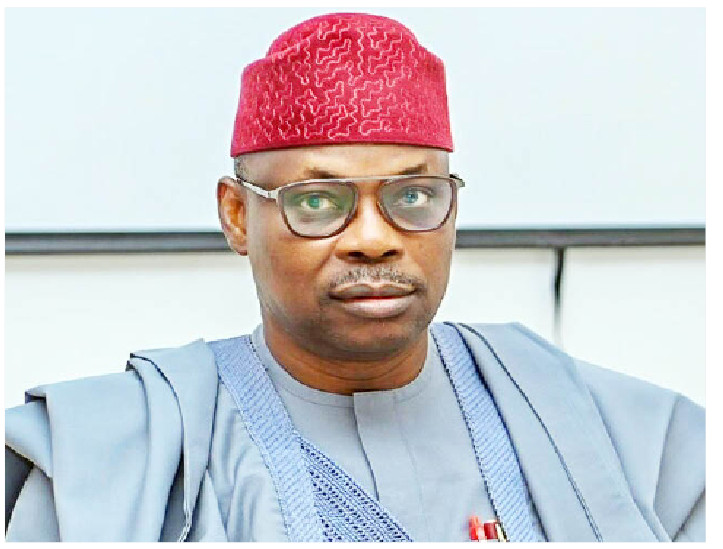
Minister of State for Health and Social Welfare, Dr. Iziaq Salako, disclosed this while briefing State House correspondents after the Federal Executive Council (FEC) meeting presided over by President Bola Ahmed Tinubu at the Presidential Villa, Abuja.
Salako said the approval would address concerns about a possible shortage of ARV drugs and ensure the continued availability of life-saving treatment for Nigerians living with HIV.
“Earlier in the year, there was some anxiety that Nigeria was going to run out of ARVs. With this approval, that anxiety is laid to rest,” the minister said.
He explained that the contract for the procurement of the drugs under the Presidential Treatment Programme for People Living with HIV and AIDS was awarded to Fidson Healthcare.
According to him, the initiative is part of the administration’s broader effort to strengthen the healthcare value chain while promoting local pharmaceutical production.
“The project has been awarded to Fidson Healthcare so that gradually, over time, the capacity to manufacture ARV drugs locally can also be enhanced,” Salako said.
He noted that Nigeria has maintained a policy of providing free antiretroviral medication to people living with HIV under the presidential treatment programme, a policy that has kept millions of Nigerians on life-saving therapy.
The minister added that Fidson Healthcare has the advantage of representing a global pharmaceutical brand, Hetero, in Nigeria, which positions it to supply the needed drugs while building local production capacity.
“One of the key elements of driving local production is investment. When government patronises local companies, it creates revenue and a stable market, which encourages them to expand their production capacity,” he said.
Salako revealed that Fidson is already working toward establishing local manufacturing of ARV drugs in Nigeria.
The council also approved a second memo covering the replacement, upgrade, and training support for cancer treatment equipment in six cancer centres across the country.
He said the centres, located across the six geopolitical zones, would receive upgraded radiotherapy equipment to improve cancer treatment services.
“This is to replace, upgrade and provide training for cancer treatments in six of our cancer centres, one per geopolitical zone, so that radiotherapy, which is an essential part of cancer treatment, can continue in these centres,” the minister said.
Cancer treatment in Nigeria has long been challenged by inadequate equipment, particularly radiotherapy machines, forcing many patients to travel abroad for treatment at significant cost.
Salako said the upgrade of the cancer centres is expected to improve access to radiotherapy and other critical cancer treatment services for Nigerians.
The minister also addressed the ongoing Lassa fever outbreak in parts of the country, which has claimed the lives of some frontline health workers.
He said the Nigeria Centre for Disease Control (NCDC) is actively supporting states where cases have been reported by providing additional materials and personnel.
“Lassa fever is a seasonal public health issue in our country. Nigeria is partnering and investing in the development of a vaccine, which we hope will soon become available,” he said.
Salako urged health workers to maintain strict adherence to infection prevention protocols when treating patients during the Lassa fever season.
“You must have a high index of suspicion during seasons like this and ensure that you observe normal protocols to protect yourself, including wearing the necessary protective gear,” he said.
He expressed sympathy to health workers who lost their lives while performing their duties, describing the risks faced by medical personnel as similar to those encountered by soldiers on the battlefield.
“Unfortunately, this is part of the risk we face as health workers, just like a military officer who goes to war. But we will continue to encourage health workers to protect themselves when attending to such cases,” he added.
We’ve got the edge. Get real-time reports, breaking scoops, and exclusive angles delivered straight to your phone. Don’t settle for stale news. Join LEADERSHIP NEWS on WhatsApp for 24/7 updates →
Join Our WhatsApp Channel