The Kano State Government has launched the domesticated Women’s Economic Empowerment (WEE) Policy, aimed at expanding women’s participation in economic activities and improving livelihoods across the state.
The policy, which aligns with the Federal Government’s framework on gender inclusion in economic growth, provides a roadmap for advancing opportunities for women while strengthening their resilience and financial independence.
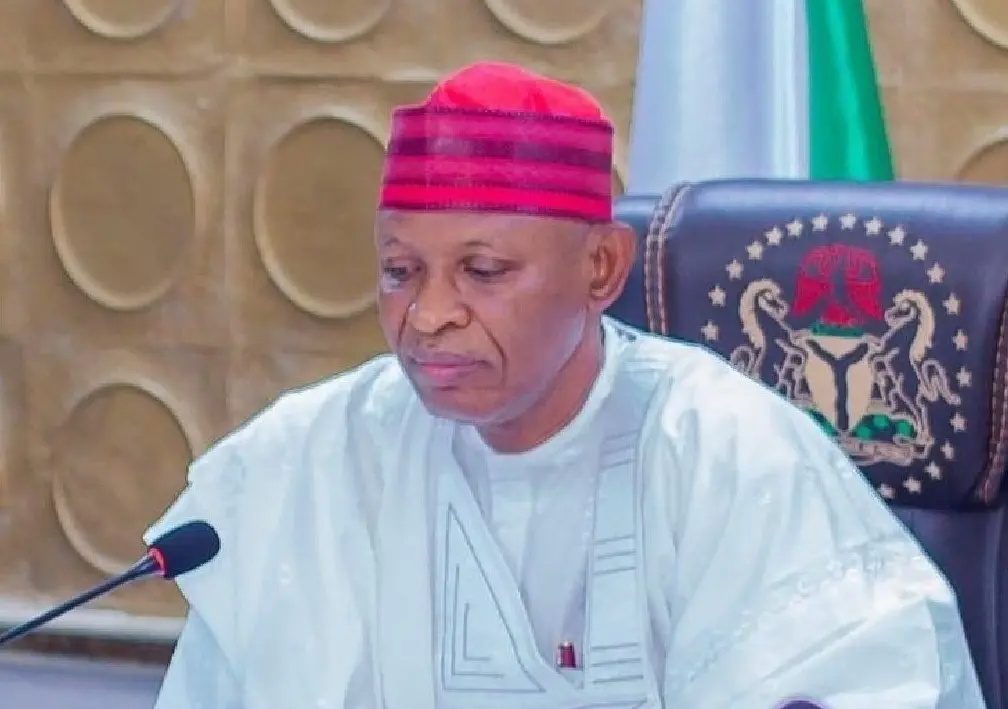
Speaking at the launch, Governor Abba Yusuf, represented by the Commissioner for Rural and Community Development, Abdulkadir Abdulsalam, described the initiative as a major step toward inclusive development in Kano.
He explained that the policy, approved in September 2025, reflects the administration’s commitment to building a just and prosperous society where women and other vulnerable groups are empowered to contribute meaningfully to economic growth.
According to him, the WEE Policy and Action Plan (2025–2029) prioritises poor and vulnerable women and girls, women with disabilities, survivors of disasters and humanitarian emergencies, victims of gender-based violence, unemployed out-of-school girls, and women entrepreneurs in the informal sector.
The governor added that the state government had already begun implementing aspects of the policy through increased budgetary allocations to the Ministry of Women Affairs to support women-focused programmes.
He also called on development partners, civil society organisations and the private sector to collaborate with the state government to ensure effective implementation of the policy.
The development of the policy was supported through technical collaboration with the Development Research and Projects Centre (dRPC), with funding from the Ford Foundation, the Africa Enterprise Challenge Fund (AECF) funded by Global Affairs Canada, and the WEE Catalyst Fund Kano Cohort, supported by the Gates Foundation through the Albright Stonebridge Group.
In his remarks, the Emir of Kano, Muhammadu Sanusi II, said women’s empowerment should not be viewed as a foreign concept, noting that Islam recognises women’s right to engage in independent economic activities.
Also speaking, former presidential adviser on social investment, Maryam Uwais, urged stakeholders to ensure effective implementation of the policy, warning that failure to impact rural women would undermine its objectives.
We’ve got the edge. Get real-time reports, breaking scoops, and exclusive angles delivered straight to your phone. Don’t settle for stale news. Join LEADERSHIP NEWS on WhatsApp for 24/7 updates →
Join Our WhatsApp Channel