
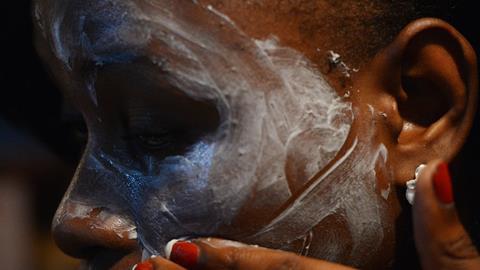
As skin bleaching continues to take a terrible toll on individuals involved in it, dermatologists have raised the alarm over damaging effects of skin bleaching, warning that continuous use of skin lightening creams do more harm than good to the skin.
A market survey conducted by the Nigerian Association of Dermatologists had revealed that one in four males engaged in skin bleaching practices.
The findings carried out in Lagos, found out that over 50 per cent of the population were bleaching their skin. A quarter of the men were actually bleaching. With one in every four males bleaching and one in every five females bleaching. This shed light on a growing trend that has raised concerns among health professionals.
Commenting on the development, a resident of Lagos State, Mr Ray Ifeanyi, disclosed that he once used a bleaching cream without realising it, saying “I visited my aunt, and she gave me some toiletries, which included a whitening cream. When I started using it, I didn’t notice anything at first.
“However, after a few weeks, the changes became clear. I began to see my skin colour changing. From there, I just stopped using it because the changes were visible for everyone to see.
“One of the key issues fuelling the rise in skin bleaching is the influence of social pressures, beauty standards, and misinformation, which continue to drive many men toward bleaching products.”
A consultant dermatologist at Lagos State University Teaching Hospital (LASUTH), Dr. Ehiaghe Anaba, said dermatologists are deeply concerned and have launched campaigns against skin bleaching in Nigeria.
“Most people are aware they are bleaching their skin, but they give different reasons. Some just want their skin to glow or pop. They want to be accepted by society,” she explained.
Dr Anaba, who is also a lecturer at Lagos State College of Medicine (LASUCOM), stressed that while bleached skin may look appealing at first, the long‑term effects are damaging.
“We find it difficult to stitch injured skin because wound healing is poor. Once the skin is damaged, it becomes very hard to repair.
“Bleaching removes the skin’s natural ability to protect you, leading to infections. People also develop hypertension, diabetes, kidney problems, and permanent marks on the skin.
“Prevention is better than cure. What we want is healthy skin, and that can be achieved easily with sun avoidance, enough sleep, moisturisers, sunscreen, water, fruits, and vegetables,” she advised.
Adding to the warning, President of NAD, Prof. Altraide Daseltima, noted that bleaching is widespread among both men and women, saying, “We have noticed that a lot of Nigerians bleach, and surprisingly, it’s not just women.
We’ve got the edge. Get real-time reports, breaking scoops, and exclusive angles delivered straight to your phone. Don’t settle for stale news. Join LEADERSHIP NEWS on WhatsApp for 24/7 updates →
Join Our WhatsApp Channel