
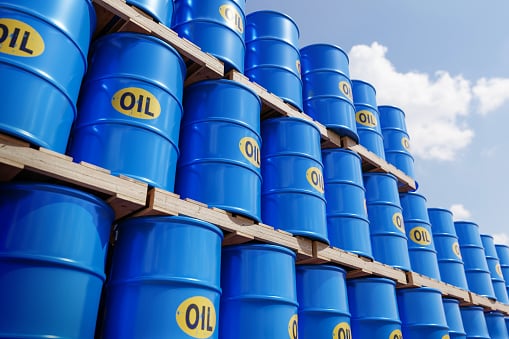
The Nigeria Employers’ Consultative Association (NECA) has warned that rising global oil prices are increasing energy costs in Nigeria, with adverse effects on businesses and households.
The director general of NECA, Adewale-Smatt Oyerinde, said the trend, driven partly by ongoing tensions in the Middle East, is pushing up domestic fuel prices and worsening inflationary pressures across the economy.
Describing the situation as Nigeria’s “oil paradox,” Oyerinde stated that higher crude oil prices were translating into increased domestic energy costs, squeezing businesses and reducing citizens’ purchasing power.
He noted that petrol prices had exceeded N1,300 per litre in some locations, while diesel prices were approaching N1,800 per litre, reflecting the impact of global oil price movements.
According to him, energy costs remain central to Nigeria’s economy, as increases in fuel prices quickly affect transportation, food prices, and the overall cost of doing business.
“Once fuel prices rise, the effects are immediate and widespread: transport costs increase, food prices rise, and the overall cost of doing business escalates,” he said.
Oyerinde added that businesses, particularly in manufacturing, agriculture, and logistics, are already under pressure.
“For many firms that rely on diesel for operations, current price levels are becoming increasingly difficult to sustain. Profit margins are shrinking, and businesses are being forced to either pass on costs or scale down operations,” he said.
He further noted that global oil prices had surged amid geopolitical tensions, with Brent crude rising above $110 per barrel, intensifying cost pressures across energy markets.
Oyerinde said the situation highlights structural challenges within Nigeria’s energy value chain, including underinvestment, weak infrastructure, and supply inefficiencies.
“This situation is not only driven by external factors; it also reflects ongoing constraints within the energy value chain, including supply inefficiencies and infrastructure limitations,” he said.
He warned that if the trend continued, it could lead to business closures, job losses, and a worsening cost-of-living crisis.
Oyerinde called on the government to stabilise the downstream sector, ease supply constraints, and provide targeted support to vulnerable industries.
“The government must act swiftly to ease supply constraints, stabilise prices, and provide targeted relief to critical sectors,” he said.
He also stressed the need for long-term structural reforms, including strengthening institutions, improving transparency, and investing in sustainable energy solutions.
He added that while rising oil prices could benefit the economy, the gains may be eroded by inflation and economic hardship if not properly managed.
We’ve got the edge. Get real-time reports, breaking scoops, and exclusive angles delivered straight to your phone. Don’t settle for stale news. Join LEADERSHIP NEWS on WhatsApp for 24/7 updates →
Join Our WhatsApp Channel