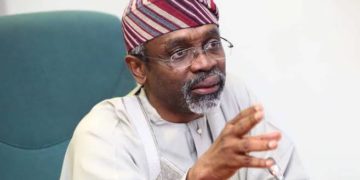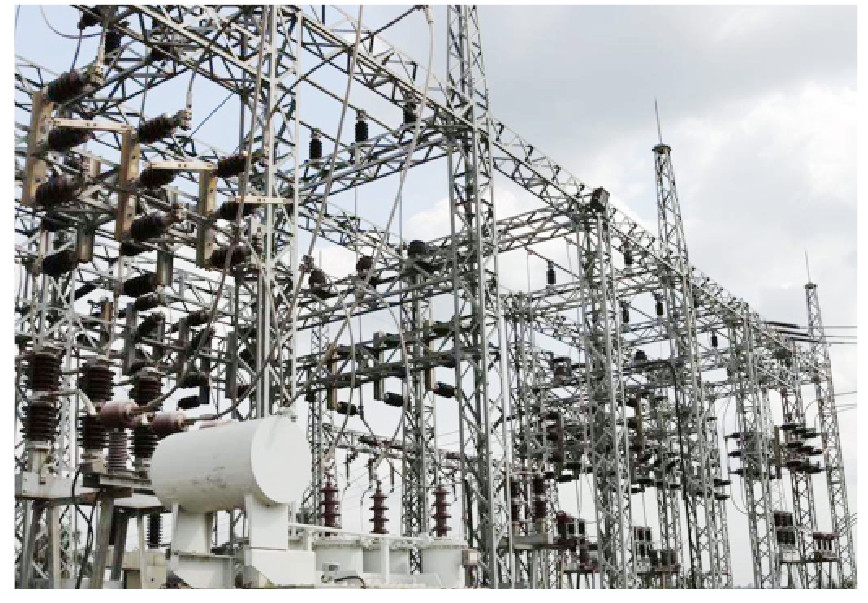
President of the Nigerian Society of Engineers (NSE), Ali Alimasuya Rabiu, has said that addressing the challenges in the power sector requires a holistic approach.
Rabiu, who made the remark at a webinar organised by the NSE Board of Fellows, said the approach requires innovation, collaboration and visionary leadership.
The theme of the webinar was “Rebooting Nigeria’s Power Sector for Sustainable Development: The Role of Nigerian Engineers.”
Rabiu, who attributed the decline in the power sector to long-standing political interference, said “the politics of energy encompasses a myriad of complex issues, including policy formulation, regulation, investment and international relations.
“It is intertwined with socioeconomic dynamics, environmental considerations and geopolitical realities. Therefore, addressing the challenges within our energy sector requires a holistic approach that embraces innovation, collaboration and visionary leadership”.
While commending the board for its steadfast resolve in bringing critical issues to the forefront, he said that the webinar would foster meaningful discourse and strengthen the collective role of engineers in national development.
“The topic of this webinar addresses one of our country’s most pressing challenges — power, the backbone of industrialisation and a catalyst for growth across all vital sectors.
“As engineers, we are committed to guiding the Federal Government in properly constituting the management structure of all relevant agencies and operationalising the sector.
“We will also support policies that ensure reliable electricity supply, recognising that national development depends on it,” he said.
The guest speaker, Dr Meyen Etukudo, Special Adviser to the Akwa Ibom Governor on Energy, said the power sector faces significant challenges, particularly due to heavy reliance on thermal generation, which is both polluting and unsustainable.
Etukudo emphasised the need for a balanced power generation mix that incorporates clean and renewable energy sources.
He noted that Nigeria’s current energy mix was skewed towards thermal generation, with most power plants running on gas, leading to environmental degradation, health challenges and economic losses.
He advocated increased investment in renewable energy sources such as solar, wind and hydropower to reduce dependence on thermal generation.
We’ve got the edge. Get real-time reports, breaking scoops, and exclusive angles delivered straight to your phone. Don’t settle for stale news. Join LEADERSHIP NEWS on WhatsApp for 24/7 updates →
Join Our WhatsApp Channel