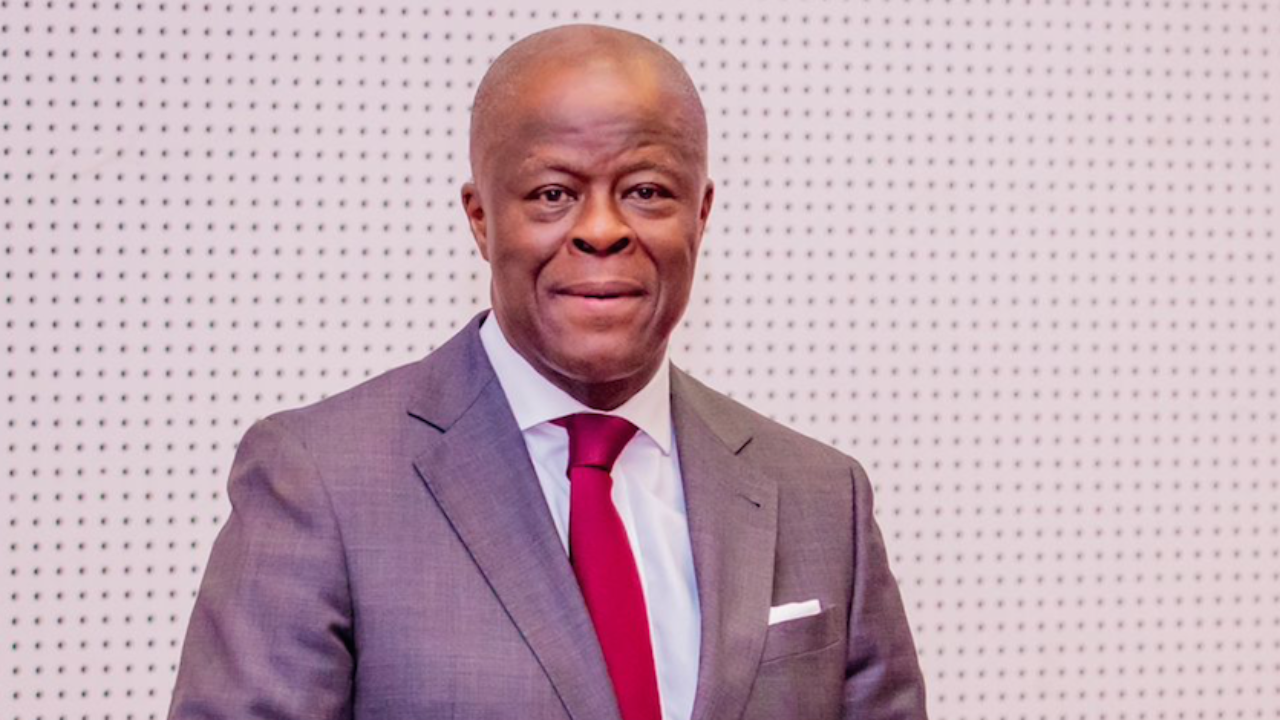
The minister of Finance and Coordinating minister of the Economy, Wale Edun, has called for the mobilisation of domestic capital to drive production, accelerate economic growth and lift millions of Nigerians out of poverty.
Speaking at the Islamic Development Bank (IsDB) Day in Nigeria, Edun said Nigeria must look inward and harness local savings and private sector investment as global aid continues to decline, stressing that sustainable growth would depend largely on productive investments.
Edun while stressing the need for large scale projects in road, rail, ports and social sector particularly in local refineries. He noted that the country is transitioning from economic stabilisation to a phase of growth and investment mobilisation under President Bola Ahmed Tinubu’s Renewed Hope Agenda.
“We are moving from the stabilisation of the economy to a trajectory of growth, acceleration and investment mobilisation. It is investments that increase productivity, grow the economy, create jobs, give people incomes and reduce poverty,” he said.
Edun emphasised that Nigeria’s ambition to build a $1 trillion economy would be powered by private capital, innovation and technology, adding that government must shift from reliance on public financing to attracting investments at scale.
“Our mission is very clear: to build a $1 trillion economy powered by productive sectors, private capital, innovation and technology. To achieve this, we are prioritising a fundamental shift from reliance on public financing to mobilising private sector investment at scale,” he stated.
The minister highlighted the need for large-scale investments in critical infrastructure, including roads, rail, ports, as well as social sectors such as health, education and safety nets, particularly for vulnerable Nigerians.
According to him, “We need to do larger scale projects in roads, rail and ports, while the social sector and safety nets must be emphasised, especially health and education. That is why we are partnering with the Islamic Development Bank to fund these priorities.”
He added that government reforms were already yielding results in improving transparency and financial inclusion, noting that over 100 million Nigerians can now be reached through the National Identity Number (NIN) system and digital payment platforms.
“Over 100 million Nigerians can now be reached via NIN and digital payments are made in a transparent way,” he said, stressing that such systems would help deliver targeted support to the poor and vulnerable.
Edun maintained that economic growth remains the surest pathway to poverty reduction, insisting that inclusive expansion must be prioritised. “It is from a growing economy that people can be brought out of poverty,” he said.
The minister further disclosed that Nigeria is working with development partners, including the Islamic Development Bank (IsDB), under a new Country Engagement Framework to mobilise “capital with purpose” for infrastructure, social development, innovative finance and regional cooperation.
He said the framework would support investments in digital infrastructure, agriculture, energy and logistics, while also promoting job creation and skills development for young Nigerians.
Edun also stressed the importance of creating a level playing field for small and medium enterprises (SMEs), noting that policies under the current administration are designed to encourage local investors, diaspora participation and foreign direct investment.
“We are encouraging investment, particularly among young people, and ensuring a level playing field for SMEs, while working with partners like IsDB to mobilise domestic resources for production, particularly in refining of crude oil,” he added.
As part of efforts to deepen domestic financing, the minister said government would promote mass savings schemes to enable Nigerians participate in funding national development while earning returns on their investments.
“We are focused on mobilising savings at all levels so that Nigerians can earn returns and participate in financing national growth,” he said.
Edun concluded by reaffirming government’s commitment to building a resilient and globally competitive economy, anchored on increased production, private sector participation and strategic partnerships. “Our focus now is on mobilising capital, executing projects and creating jobs at scale. Nigeria is building an economy that is resilient by design, inclusive in its approach and globally competitive in ambition,” he said.
We’ve got the edge. Get real-time reports, breaking scoops, and exclusive angles delivered straight to your phone. Don’t settle for stale news. Join LEADERSHIP NEWS on WhatsApp for 24/7 updates →
Join Our WhatsApp Channel