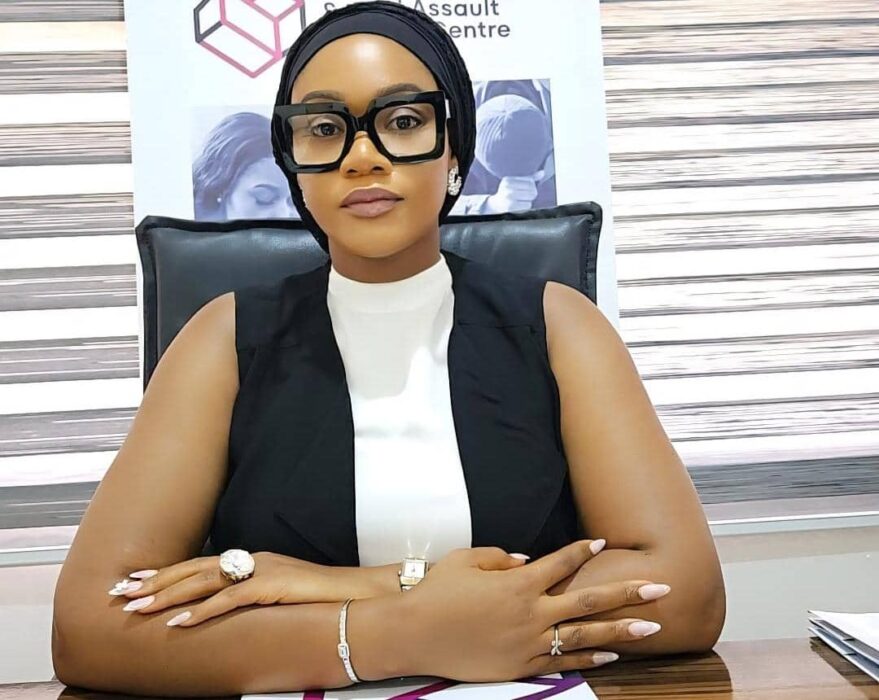
Linda Ene Ochigbo, a grassroots mobilizer and advocate for inclusive governance, has declared her intention to contest for the Benue State House of Assembly in 2027, arguing that the time has come for leaders who truly understand the people. In this interview with JONATHAN NDA-ISAIAH, she speaks about her political ambition, legislative priorities, and the growing debate over special reserved seats for women, insisting that inclusive representation is both a matter of fairness and a democratic necessity.
You’ve built a reputation as a grassroots mobilizer and advocate for inclusive governance. Why is now the right time for you to contest for the Benue State House of Assembly in 2027?
Now feels like the right time because people are asking for leaders who truly understand them. I’ve spent years working closely with communities, listening to their struggles, and supporting them. This is simply a step forward to serve them better.
Was there a defining moment that pushed you from advocacy into full political ambition?
It wasn’t just one moment. Over time, working with survivors of gender-based violence and vulnerable people, I saw how much policy decisions affect real lives. I realised that if we want lasting change, we have to be part of the system, making those decisions.
Why the State Assembly and not a federal role?
Because that’s where you can feel the impact the most. The State Assembly is closer to the people, and its decisions affect everyday life in our communities.
Benue politics is known for its intensity and local dynamics. What makes you confident you can win in such a competitive environment?
My confidence comes from the people. I’ve built real relationships over time—not just during elections. People know me, and they trust me.
What is your biggest political strength—structure, popularity, or message?
My connection with the people and my ability to understand their needs and speak for them.
If elected, what are the first three bills or motions you would push on the floor of the House?
A bill to establish the Benue State Sexual Assault Referral Centre as a statutory agency to ensure effective coordination and the delivery of standardised, survivor-centred services across the state, expanding youth empowerment and skill acquisition opportunities across Okpokwu and the entire Benue State and also improving access to quality healthcare, especially at the community level.
How will those policies directly impact people in Okpokwu?
It means safer communities, more opportunities for young people to earn a living, and better access to healthcare. These are things people will actually feel in their daily lives.
How do you plan to measure success beyond political rhetoric?
Not by promises, but by results—are people safer? Are young people gaining jobs or skills? Are families able to access healthcare more easily?
You have strong grassroots connections. But governance often requires navigating bureaucracy and power blocs. How will you balance both?
By staying connected to the people while also working effectively within the system. I won’t lose touch with where I come from.
Have you already begun building alliances within the political system?
Yes, because no one can do this alone. I’m engaging people across different spaces to build strong partnerships.
What lessons from your past roles will guide you here?
I’ve learned that caring is not enough—you have to act. And whatever you do must truly work for the people.
There is growing advocacy for special reserved seats for women in Nigeria’s legislative houses. Do you support this policy?
Yes, I do. It’s about giving women a fair chance and making sure their voices are heard.
Is it about fairness or political necessity?
It’s both. Women deserve fair representation, and it is also necessary for a stronger, more inclusive democracy.
Should it be constitutional or party-driven?
It should be constitutionally backed for sustainability, while political parties also play a role in promoting inclusion.
Some critics argue that reserved seats could undermine merit. How do you respond to that argument?
No. Women are capable. The challenge has always been access and opportunity.
Do you believe women currently compete on a level playing field?
Not yet. There are still many barriers.
What would you say to male politicians who feel displaced by such policies?
This is not about taking anything away from anyone—it’s about making our system stronger and more inclusive.
Beyond representation, what are the structural barriers women face in Nigerian politics today? Is it funding, culture, party structures, or something deeper?
Money, party structures, and societal expectations remain key barriers.
What reforms would you push immediately to change this?
We need fair opportunities, support systems, and intentional inclusion.
Do you see reserved seats for women as a temporary corrective measure or a permanent feature of Nigeria’s democracy?
It should be temporary—until we get to a point where everyone truly has equal opportunity.
What would success look like—when do we say “we no longer need them”?
Success is when women can compete, participate, and win on equal terms without systemic barriers.
Your work with vulnerable groups, especially in gender-based violence and humanitarian support, is well documented. How will that translate into legislative action?
By ensuring that the systems we’ve been building are backed by proper laws and funding so they can reach more people and work better.
Can you give one specific law you would sponsor in this area?
A bill to establish the Benue State Sexual Assault Referral Centre as a statutory agency to ensure effective coordination and standardised, survivor-centred services across the state.
How do you ensure implementation doesn’t fail like many policies?
Through monitoring, oversight, and accountability at both the community and state levels. Laws must work in practice, not just on paper.
You have a strong following among women and young people. How do you plan to convert that into real electoral victory in 2027?
By organising the people who already believe in this vision and ensuring they are part of the process from start to finish.
What is your campaign strategy—structure, messaging, or coalition-building?
A combination of strong grassroots structure, clear communication, and building the right partnerships.
Are you already on the ground politically?
Yes, I have always been on the ground working with the people. This is a continuation of that journey.
In one sentence, why should the people of Okpokwu trust you with their mandate in 2027?
Because I have always shown up for the people, and I will continue to serve them with honesty, care, and commitment.
We’ve got the edge. Get real-time reports, breaking scoops, and exclusive angles delivered straight to your phone. Don’t settle for stale news. Join LEADERSHIP NEWS on WhatsApp for 24/7 updates →
Join Our WhatsApp Channel