
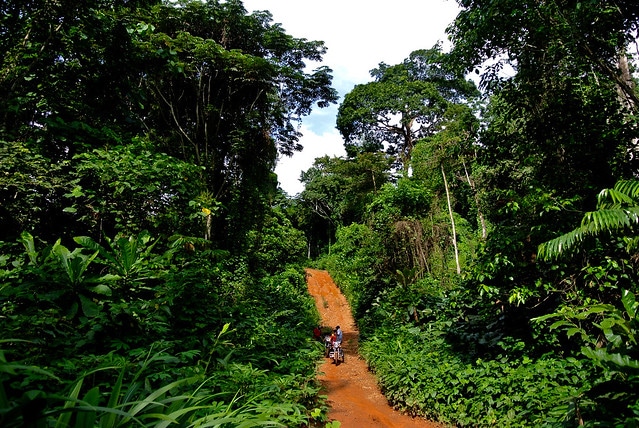
The Federal Government has intensified efforts to tackle deforestation and climate challenges with plans to mobilise about $1 billion in financing under a new national forest initiative aimed at restoring degraded landscapes, creating green jobs, and strengthening environmental governance.
Speaking at the opening of the workshop yesterday in Abuja, the Minister of Environment, Malam Balarabe Abbas Lawal, described Nigeria’s forests as critical national assets that support millions of livelihoods, protect biodiversity, and play a central role in combating climate change.
He warned, however, that the country’s forest resources are under increasing threat from land-use changes, unsustainable exploitation, and climate variability, stressing the need for urgent and coordinated action.
“The Nigeria Country Package represents a significant step forward in translating our climate and forest commitments into practical action,” the minister said, noting that the programme aligns with key national frameworks, including the National Forest Policy, REDD+ Strategy, and Nigeria’s commitments under the Paris Agreement.
Lawal explained that the SNFF initiative is designed as a 10-year roadmap that integrates forest restoration, climate resilience, sustainable financing, and green job creation into a unified national strategy.
According to him, the programme aims not only to restore forest ecosystems but also to improve livelihoods for forest-dependent communities, while strengthening monitoring systems and governance structures.
He emphasised the importance of collaboration, noting that effective forest management requires inclusive participation across all levels of government, as well as engagement with local communities, civil society organisations, and the private sector.
Also speaking, the Director of Forestry, Ms Halima Bawa-Bwari, described the validation workshop as a critical milestone in Nigeria’s efforts to reposition its forest sector and unlock sustainable financing.
She said the Country Package provides a comprehensive framework for the period 2026 to 2036, focusing on restoring degraded forests, enhancing institutional coordination, and expanding green economic opportunities.
Bawa-Bwari disclosed that the initiative aims to raise funding from multiple sources, including domestic budgets, international climate finance, private-sector investments, and carbon market mechanisms.
She added that the framework places strong emphasis on community participation, gender inclusion, and transparency, noting that these elements are essential for achieving long-term impact.
“Our forest landscapes continue to face mounting pressure from deforestation, energy demand, and climate impacts. Addressing these challenges requires a coordinated and inclusive approach,” she said.
The workshop, she explained, is expected to provide stakeholders the opportunity to review the draft framework, offer inputs, and ensure that the final document reflects a nationally owned and broadly supported strategy.
We’ve got the edge. Get real-time reports, breaking scoops, and exclusive angles delivered straight to your phone. Don’t settle for stale news. Join LEADERSHIP NEWS on WhatsApp for 24/7 updates →
Join Our WhatsApp Channel