By Hafsat Suleiman Mohammed
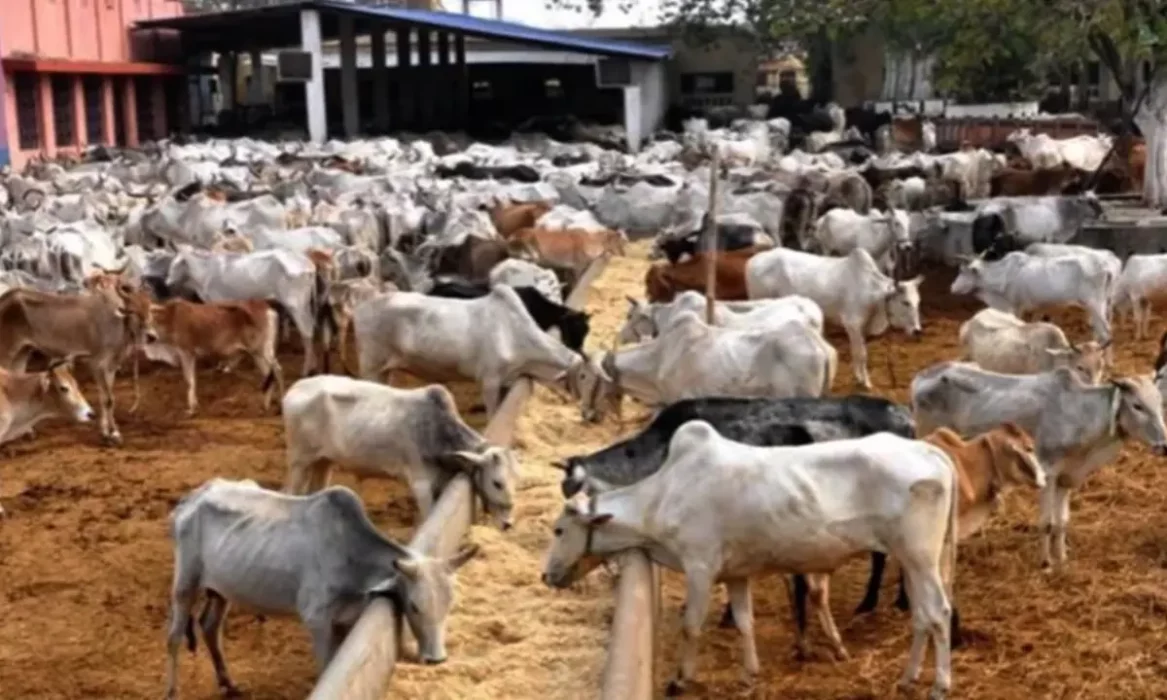
The famous Sultan Road in Kaduna is my daily route to work. What often disturbs me about this road is how herds of cattle majestically cross it, either in the morning or evening.
One day, things took a different turn. As I was driving, one of the cattle hit and broke my side mirror. “This has to stop. We really need designated grazing areas in this country,” I murmured to myself.
I immediately pulled over, parked by the side of the road, and approached the herder who wore a sleeveless kaftan over a long sleeve shirt and trouser, with a straw hat on his head and a thick long stick in his hand. As I walk closer, he said, “Ayi hakuri” in a slightly shaky voice. That was when I realized he wasn’t Fulani as I had assumed, but a young Hausa man.
He handed me the broken pieces of my side mirror. Not minding that, I asked angrily:
“Are you aware that your cattle can cause serious accidents, and even worse, spread diseases like “Sammore” to other animals and even humans?”
“Sammore?” He repeated and what is that?” he asked puzzled but a little more relaxed now.
“Trypanosomiasis in cattle,” I repeated firmly.
Still confused, he said, “Ma’am, you’ll have to educate me. I don’t know much about cattle diseases, especially Sammore. Actually, these cows belong to my master. I’m just helping out.”
“Wait,” he added quickly, “let me push them back home, just around the corner.” He then made a clicked sound with his tongue at same time swung the stick left to right directing the cows move towards the house.
In a jiffy, he returned still holding the stick, and we sat together on a culvert by a gate. Thank God its mid-July, the weather was cool. That’s when I began to explain to him…
“Animal African trypanosomiasis is a disease that affects domestic and wild animals. The disease in cattle is simply known as “Nagana,” Sleep-like in Zulu language or “Sammore,” in Fulfulde.
“It is caused by blood protozoan parasites called trypanosomes and transmitted from one animal to another through the bites of tsetse flies known as “kudan tsando” in Hausa or “Binade” in Fulfulde. It is a debilitating and wasting disease that leads to death if not treated. It can also affect human beings like you and your master if bitten by an infected tsetse fly.”
“Are you serious? He exclaimed with fear. “Tell me more,” he urged
“Yes, the disease manifest in cows with symptoms like: miscarriages, anemia, loss of appetite, poor growth, weight loss, swollen lymph nodes, lethargy, general lack of energy, edema in parts of the body, eye and nasal discharge and hair loss. In advance stage the cattle may exhibit neurological symptoms like padding movement and incoordination, eventually leading to death.
Its socio-economic impacts includes: decreased milk and meat production, reduced fertility, reduction in hides and skin production and Increased cost of treatment.
Sadly, large number of cattle are at risk of contracting the disease in all the agro -ecological zones in Nigeria.” I explained vividly.
“Wallahi, I didn’t know, I only take them to graze around and back safely. Nobody has ever told me about this disease,” he lamented.
“Yes, and that’s where the problem lies. Some herders don’t know it exists and that’s why we need better education and awareness and not just for herders alone, but all of us.”
“Absolutely!” he affirmed and added
“I’m scared, but isn’t there any treatment?”
With a sigh, I replied,
“There are drugs available for the treatment of the disease and they include diminazene, diaceturate, and isometamidium chloride. Unfortunately, these drugs have virtually lost their efficacy because the parasites have developed resistance against them. In addition, there is no vaccine yet. As such, tsetse fly control remains the most viable option for disease control.”
“No!” He exclaimed, striking his stick against the ground. Ignoring him, I continued
“What’s best is to prevent the cows from being infected by tsetse fly: Using traps, insecticides spray, bush clearing and avoiding tsetse infested areas. Again if we have designated grazing areas we could prevent cattle roaming major roads, reduced spread of the disease and avoid incident like today.”
He sat quiet for a moment then said, “I wish I could help.”
“Then start by informing your master and people around you about the dangers of tsetse fly and trypanosomiasis. It begins by simple conversation like this.” Looking at my watch I realized it was 5:30pm
“Oops, sorry I have to go now, I need to pick up my children from their extra lesson.”
“Oh no ma’am, how then do we meet for more information”.
“Don’t worry, you can meet me in my office.”
“Where is that? He asked anxiously.
“NITR, Nigerian Institute for trypanosomiasis research, at Unguwar Rimi GRA. We are mandated to carry out research on Trypanosomiasis (in both Humans and Animal) and it is just down the road, I believe you walked your cows pass it without knowing. Our veterinary clinic is always open for consultations. We also have Zonal and State Liaison Offices in all the six geo-political zones in Nigeria.”
And I rose to leave.
“No wonder you know so much. Sure, I’ll come for more information,” he said with a surprised tone as he walked me to the car, hitting his stick lightly on the ground with every step.
“Thank you, ma’am, for educating me,” he added respectfully.
“My pleasure,” I replied. “Please don’t forget to come with your master too,” I reminded him.
“Very well ma’am.”
– Muhammed writes from Kaduna.
We’ve got the edge. Get real-time reports, breaking scoops, and exclusive angles delivered straight to your phone. Don’t settle for stale news. Join LEADERSHIP NEWS on WhatsApp for 24/7 updates →
Join Our WhatsApp Channel