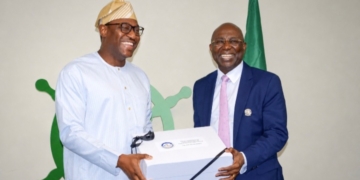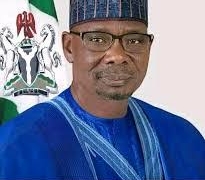
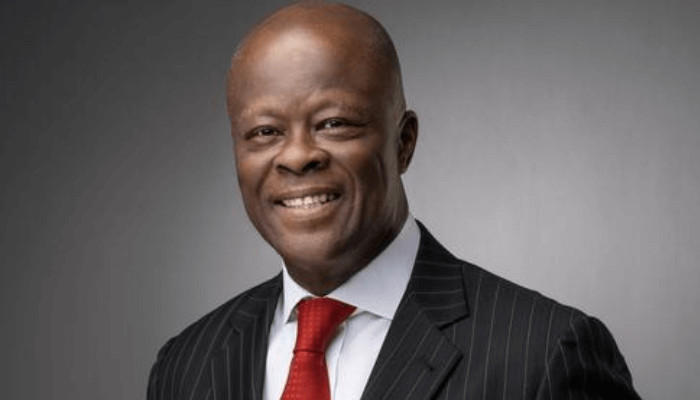
As the 2026 Spring Meetings of the International Monetary Fund (IMF) and the World Bank open today, Nigeria’s Minister of Finance and Coordinating Minister of the Economy, Wale Edun, is set to press for lower borrowing costs and increased financial support for developing economies.
Edun, who also chairs the G24, said Nigeria would seek stronger international backing as rising global tensions, particularly the ongoing Iran war, continue to drive up fuel costs and complicate ongoing economic reforms.
He noted that while surging crude oil prices present some upside for Africa’s largest oil producer through improved foreign exchange earnings, the broader impact remains adverse. “But the shock comes at a critical transition point, intensifying inflationary pressures and raising living costs for households,” Edun stated.
According to him, petrol prices have jumped by more than 50 per cent to N1,330 per litre, while diesel has surged by over 70 per cent to N1,550 per litre since the onset of the conflict, placing significant strain on households and businesses.
The sharp rise in energy costs, he warned, threatens to undermine the reform programme initiated in 2023 under President Bola Tinubu. The reforms, widely regarded as the most ambitious in decades, include the removal of fuel and energy subsidies, exchange rate adjustments, and sweeping tax changes aimed at stabilising the economy and restoring growth.
At the Washington meetings, Edun said he would advocate for fairer global financial conditions, including reduced borrowing costs and enhanced support mechanisms for reform-minded economies.
Nigeria’s benchmark Bonny Light crude has risen sharply from about $70–$73 per barrel before the conflict to over $120, reflecting heightened geopolitical risks and tightening global supply conditions.
Although inflation showed signs of easing to 15.06 per cent in February from about 33 per cent in December 2024, it remains elevated relative to regional peers and has come under renewed pressure following the spike in energy prices, according to the World Bank.
Edun maintained that the government would continue to prioritise policies that attract private investment, create jobs and sustain economic growth, while also taking measures to protect vulnerable households from the rising cost of living.
We’ve got the edge. Get real-time reports, breaking scoops, and exclusive angles delivered straight to your phone. Don’t settle for stale news. Join LEADERSHIP NEWS on WhatsApp for 24/7 updates →