
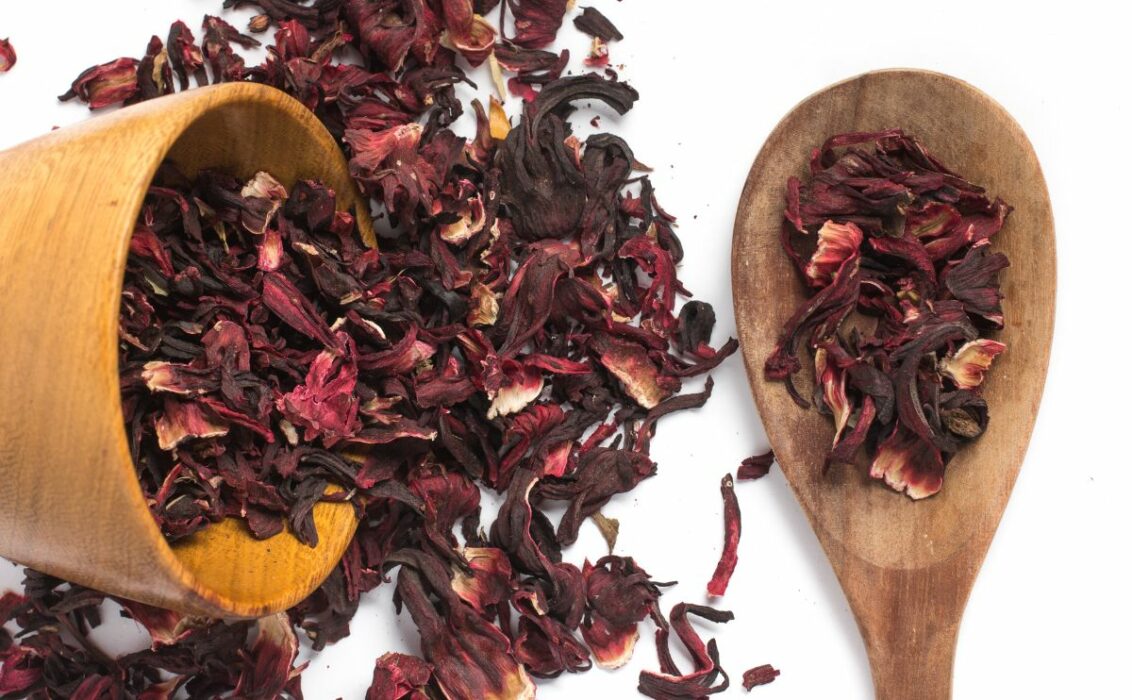
Hibiscus flower, popularly known as zobo in Nigeria, is emerging as a viable investment opportunity, with stakeholders highlighting its capacity to generate multiple income streams across its value chain.
Agribusiness experts say the crop, driven by rising domestic consumption of natural beverages and expanding export demand, offers attractive returns for smallholder farmers and agro-entrepreneurs willing to tap into its full commercial potential.
A Lagos-based hibiscus processor, Louis Obiora, described the crop as an underutilised asset with significant profitability prospects.
“Hibiscus is not new to us, but many people still underestimate its commercial value. From the dried petals to processed drinks, every stage of the value chain can generate income,” he said.
Obiora explained that while hibiscus thrives best in the northern region of Nigeria due to its favourable climate, it can also be cultivated in parts of the Middle Belt under moderate rainfall and well-drained soil conditions, requiring relatively low fertiliser input compared to other cash crops.
“With less than one hectare, a farmer can start small and scale gradually. The cost of seeds and basic inputs is affordable, and within three to four months, you are ready for harvest,” he added.
According to him, a hectare of hibiscus can yield between 800 kilogrammes and 1.5 tonnes of dried calyces, depending on farming practices, translating into substantial income, particularly during peak demand periods.
Beyond primary production, stakeholders emphasise that the real value lies in processing and product diversification.
Hibiscus can be sold in its raw or dried form, or transformed into beverages, herbal teas, and cosmetic products, each offering varying profit margins.
Another Lagos-based agro-processor, Kemi Ajayi, noted that value addition significantly enhances earnings and market reach.
“Selling raw hibiscus will give you income, but processing it into zobo drink or packaging it as herbal tea increases your earnings. Branding and proper packaging also attract urban consumers and export markets,” she said.
Ajayi disclosed that a litre of zobo drink produced at relatively low cost can yield profit margins exceeding 50 per cent, depending on the target market and scale of operation.
She further pointed to the crop’s strong export potential, noting that Nigeria ranks among the leading global producers of hibiscus, with established markets in Europe, the Middle East and Asia, where demand is driven by its nutritional and medicinal benefits.
However, stakeholders caution that unlocking export opportunities requires strict adherence to quality standards.
“Cleanliness, proper drying and storage are critical if you want to access international markets. Many farmers lose out because they do not meet these requirements,” Ajayi said.
Despite its prospects, operators note that challenges such as limited access to finance, inadequate storage infrastructure and price volatility could affect profitability.
Ajayi stressed the importance of cooperative structures and policy support in addressing these constraints.
“If farmers come together, they can access loans, share resources and negotiate better prices. Government support in training and funding will also strengthen the value chain,” she said.
She advised prospective investors to adopt a clear business model, whether in cultivation, processing or distribution, and to prioritise market research before committing capital.
“Start small, understand the market, and reinvest your profits. Hibiscus may look simple, but with the right strategy, it can become a sustainable and scalable source of income,” she added.
As Nigeria intensifies efforts to diversify its economy and boost non-oil exports, hibiscus is increasingly positioned as a strategic crop capable of driving inclusive growth, particularly among youth and women engaged in agribusiness.
We’ve got the edge. Get real-time reports, breaking scoops, and exclusive angles delivered straight to your phone. Don’t settle for stale news. Join LEADERSHIP NEWS on WhatsApp for 24/7 updates →
Join Our WhatsApp Channel