
The federal government has reaffirmed commitment to resolve long-standing disputes in Nigeria’s health sector, pledging a fair and sustainable conclusion to the outstanding Collective Bargaining Agreement (CBA) with health workers.
This assurance came as stakeholders from across West Africa gathered in Abuja yesterday for the 25th Plenary Session of the West African Health Sector Unions Network (WAHSUN), focused on workforce protection and strengthening healthcare delivery systems.
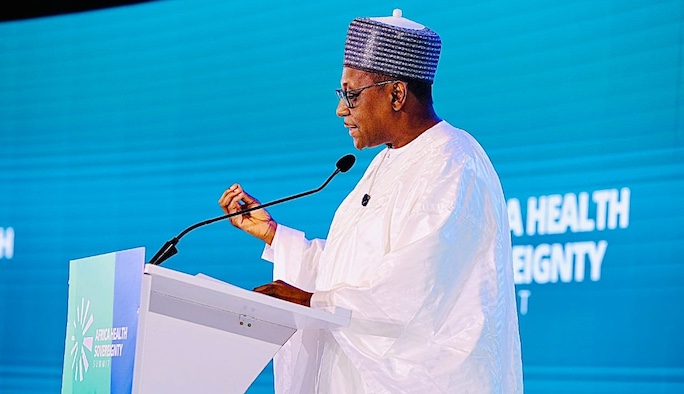
Speaking at the opening session, the coordinating minister of health and social welfare, Prof. Ali Pate, stress the interconnected nature of health systems across the region, noting that developments in one country often have ripple effects across borders.
The minister acknowledged persistent challenges facing the sector, including workforce shortages, infrastructure gaps, and funding constraints but pointed to recent progress under the current administration.
Pate further emphasised the critical role of health workers, describing them as the backbone of the system, while recognising long-standing grievances within the workforce.
He said government was engaging unions in good faith to rebuild trust and address outstanding issues, including remuneration and working conditions, through structured negotiations.
He said, “Health is one thing that affects everyone. Health workers are key to the functionality of our health systems, but at the end of the day, we are all interconnected.
“I want to assure you that we are committed to achieving a fair and lasting resolution of all those longstanding issues. As long as we remain engaged in good faith, putting our people at the centre, we will work to negotiate and conclude the CBA mechanism.
“Over the last three years, we have seen a determined push to prioritise health. This year’s allocation of six percent is the highest in more than 15 to 20 years, and we are working to ensure these funds are released and effectively utilised.”
Earlier, WAHSUN chairperson, Comrade Kabiru Ado Sani Minjibir, highlighted the systemic challenges confronting health workers across West Africa.
He cited workforce migration, insecurity, poor remuneration and inadequate budgetary allocation as major threats to healthcare delivery in the region.
Minjibir also referenced recent industrial actions, including an 84-day strike by the Joint Health Sector Unions (JOHESU), as evidence of unresolved tensions in Nigeria’s health sector.
He called on governments across the region to move beyond policy commitments and implement concrete reforms, particularly in meeting the Abuja Declaration target of allocating 15 percent of national budgets to health.
He also stressed the need for formal recognition and fair compensation for community health workers, many of whom remain unpaid despite playing critical roles in primary healthcare delivery.
Minjibir said, “We recognise the efforts of governments, including Nigeria, in pursuing industrial harmony through ongoing negotiations but acknowledgement is not absolution. Progress must be accelerated, and commitments must translate into measurable action and budgetary backing.”
We’ve got the edge. Get real-time reports, breaking scoops, and exclusive angles delivered straight to your phone. Don’t settle for stale news. Join LEADERSHIP NEWS on WhatsApp for 24/7 updates →
Join Our WhatsApp Channel