
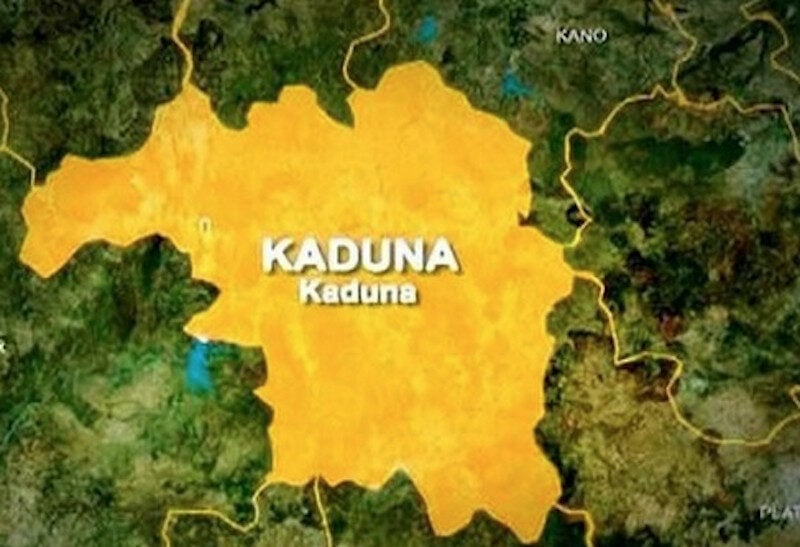
The Kaduna State Emergency Management Agency (KADSEMA), in partnership with Christian Aid, has identified 178 hazards across nine local government areas of Kaduna State following a multi-hazard mapping and validation exercise.
The exercise, conducted ahead of the 2026 rainy season, involved a 10-day field validation process during which community-level data were reviewed to correct gaps, remove inconsistencies, and prioritise high-risk locations requiring urgent intervention.
Speaking at the validation meeting in Kaduna on Wednesday, the Executive Secretary of KADSEMA, Dr Usman Mazadu, said the exercise was designed to strengthen flood preparedness and improve disaster response mechanisms across the state.
He stressed that no meaningful intervention could be undertaken without a clear understanding of the hazards confronting communities.
“We cannot act without understanding the hazards we face. Validation ensures accuracy and supports evidence-based response,” he said.
Mazadu disclosed that the exercise drew inputs from field enumerators and 435 community information coordinators deployed across the nine local government areas.
He further explained that the state government has strengthened its disaster risk governance structure by approving a policy framework and supporting instruments to improve coordination and response mechanisms.
According to him, proactive interventions have already been deployed in flood-prone communities, including early warning systems, public sensitisation campaigns, and the establishment of safe-haven centres for displaced persons.
He added that sustained measures, such as desilting drainage channels, dredging waterways, and ongoing awareness campaigns, have contributed to reducing the impact of flooding in recent years.
Also speaking, Programme Officer for Disaster Risk Reduction at Christian Aid Nigeria, Tabat Baba, said the exercise was designed to assess vulnerabilities and strengthen preparedness at the community level.
“The goal is to prepare communities ahead of the flood season using climate predictions and flood outlooks for 2026,” she said.
Baba noted that the mapping exercise also captured insecurity-related risks in affected communities, adding that residents must take ownership of early warning systems and local response structures.
We’ve got the edge. Get real-time reports, breaking scoops, and exclusive angles delivered straight to your phone. Don’t settle for stale news. Join LEADERSHIP NEWS on WhatsApp for 24/7 updates →
Join Our WhatsApp Channel