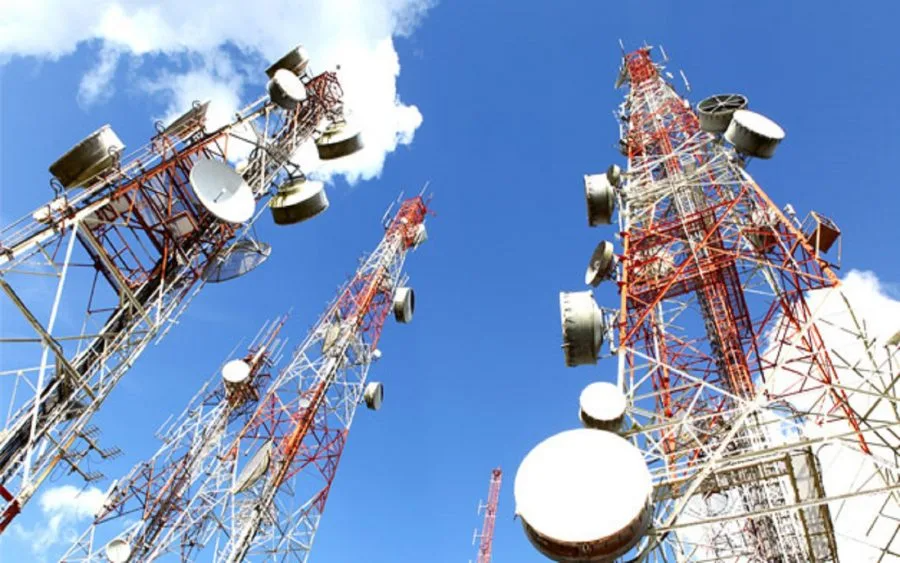
Nigeria’s telecommunications industry is facing mounting infrastructure challenges after telecom operators recorded nearly 6,000 fibre cuts in the first quarter of 2026, worsening network disruptions and poor service quality across the country.
According to report from the Nigerian Communications Commission’s (NCC) uptime monitoring portal showed that MTN Nigeria, Airtel Nigeria, Globacom and other operators experienced widespread fibre optic cable damage between January and March 2026, translating to an average of almost 500 fibre cuts weekly.
The rising incidents have intensified concerns over the vulnerability of Nigeria’s telecom infrastructure despite increasing dependence on digital services, online banking, e-commerce and remote work platforms.
The report showed that telecom operators recorded 577 major network outages in the first three months of the year, with fibre cuts accounting for 361 incidents, making it the single biggest cause of service disruptions nationwide.
MTN Nigeria recorded the highest number of outages at 234 cases during the period, followed by Backbone Connectivity Network (BCN) with 166 disruptions. Airtel Nigeria recorded 42 outages, while T2Mobile, formerly 9mobile, posted 63 cases. Other affected operators included Layer3, IPNX, FibreOne, Tizeti and Smile Communications.
The report showed that January alone recorded 238 outages, representing more than double the 118 cases reported in December 2025. Fibre cuts contributed about 68 per cent of the January incidents, while power outages accounted for another 18.5 per cent.
Industry stakeholders said road construction activities, vandalism, theft and poor coordination between utility providers and contractors remain major drivers of the increasing fibre damage nationwide.
Telecom operators warned that repeated fibre cuts are affecting voice calls, mobile data, USSD transactions and enterprise connectivity services, with serious implications for businesses and consumers.
The chairman of the Association of Licensed Telecom Operators of Nigeria (ALTON), Gbenga Adebayo, had earlier said, “Daily fibre cuts, often caused by federal and state road construction contractors, are creating enormous economic losses, nationwide service disruptions, destruction of critical digital infrastructure, loss of assets without compensation, and interruptions to banking, education and security.”
The figures indicate that the telecom sector recorded over 19,384 fibre cuts between January and August 2025 alone, highlighting the growing scale of infrastructure damage affecting network quality nationwide.
The NCC recently directed telecom operators to compensate subscribers affected by poor network quality, marking a shift from regulatory fines to direct consumer restitution.
According to the commission, operators would be required to provide airtime compensation to subscribers in areas where network performance falls below approved quality thresholds.
“The commission’s position is that subscribers should not be made to bear the full burden of service disruptions where operators fail to meet prescribed standards of service delivery,” the NCC said in a statement.
The regulator also mandated operators to notify consumers of major service outages, disclose affected areas and provide estimated timelines for restoration.
While telecoms infrastructure has already been classified as Critical National Information Infrastructure (CNII), by the federal government, operators argue that enforcement remains weak as fibre vandalism and accidental cuts continue to rise.
However, stakeholders warned that persistent fibre damage could slow Nigeria’s digital economy ambitions, particularly as broadband adoption, fintech services and cloud-based operations continue to expand.
They also noted that the growing dependence on telecom networks means service disruptions now affect banking transactions, healthcare delivery, education platforms and national security operations.
Meanwhile, despite the challenges, telecom operators are investing heavily in network redundancy, fibre route diversification and infrastructure upgrades to reduce the impact of future outages.
We’ve got the edge. Get real-time reports, breaking scoops, and exclusive angles delivered straight to your phone. Don’t settle for stale news. Join LEADERSHIP NEWS on WhatsApp for 24/7 updates →
Join Our WhatsApp Channel