The Association of Licensed Set-Top Box Manufacturers of Nigeria (STBMAN) has cautioned the National Broadcasting Commission (NBC) over its planned transition from analogue to digital broadcasting. It warned that a poorly managed switchover could create confusion, exclusion, legal disputes and risks ahead of the 2027 general elections.
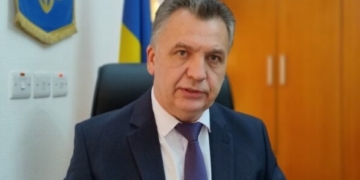
In a statement issued yesterday, STBMAN chairman, Sir Godfrey Ohuabunwa said the association supports Nigeria’s digital migration but faults the current approach as rushed, unclear and inconsistent with the 2012 Digital Switchover White Paper approved by the Federal Executive Council (FEC).
According to STBMAN, the process being presented by NBC does not align with the original framework for a full Digital Terrestrial Television migration. The group said what is being implemented amounts largely to channel aggregation on NigComSat platforms, rather than the comprehensive DTT rollout envisaged in the approved DSO plan.
The association warned that proceeding without broad stakeholder consultation could erode public confidence and disrupt access to information at a sensitive political period.
The association noted that millions of Nigerians still rely on free-to-air broadcasting for news, civic education, election coverage, and national orientation.
STBMAN stressed that any uncoordinated migration could lead to signal disruptions, unequal access, and the spread of misinformation during the election season, thereby undermining democratic participation.
It also raised concerns that NBC risks a conflict of interest by acting as both regulator and content aggregator, contrary to the 2012 White Paper and international best practices.
“Such a structure weakens regulatory independence and erodes trust in the industry. We urge the government to ensure the process remains transparent and technically sound.”
The association appealed to President Bola Ahmed Tinubu to intervene by directing NBC to suspend unilateral implementation pending wider consultations with broadcasters, signal distributors, manufacturers, technical experts, and other stakeholders. STBMAN said urgent dialogue was needed to safeguard the public interest.
STBMAN further called for a national stakeholders’ roundtable, an independent legal and technical review of the DSO process, an update of the 2012 White Paper, nationwide public sensitisation on costs and implications, and measures to protect local broadcasting.
“Nigeria cannot afford confusion in its broadcasting system at a time the nation is preparing for another critical democratic transition. The time to act is now,” Ohuabunwa added.
We’ve got the edge. Get real-time reports, breaking scoops, and exclusive angles delivered straight to your phone. Don’t settle for stale news. Join LEADERSHIP NEWS on WhatsApp for 24/7 updates →
Join Our WhatsApp Channel