
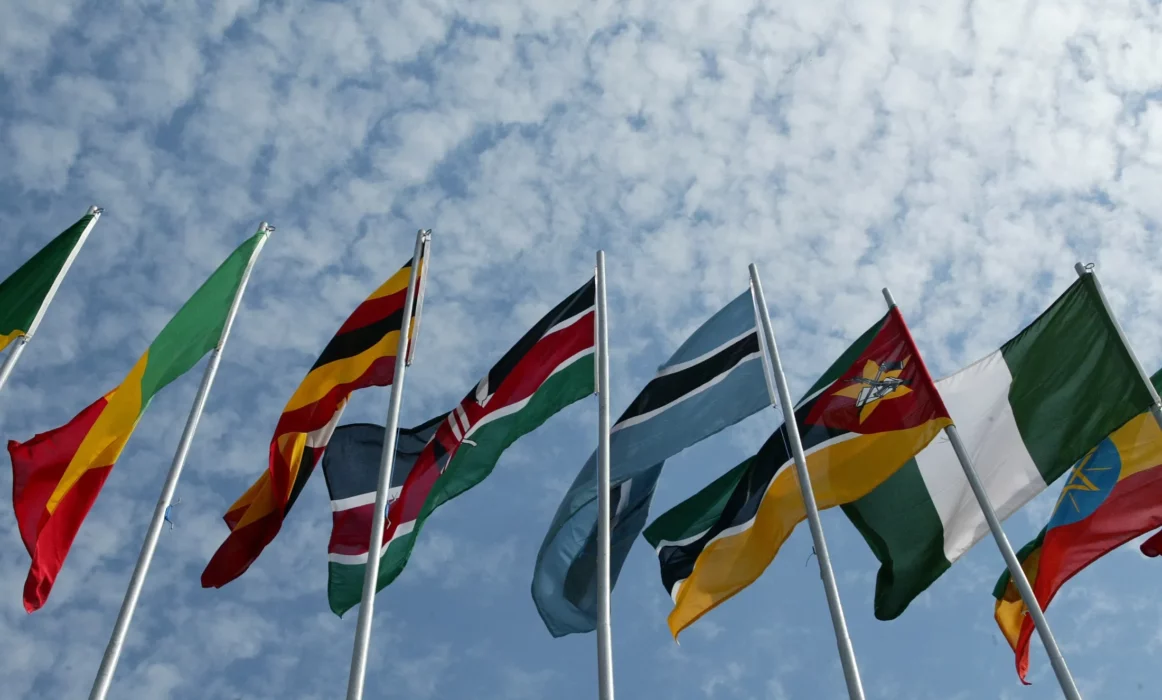
As global trade is entering a new era of uncertainty, shifting tariff regimes and geopolitical fragmentation to supply chain diversification and changing trade alliances, African business leaders are increasingly being forced to rethink where and how they trade.
For African businesses, these shifts are creating new opportunities as supply chains diversify and regional trade accelerates, many companies are expanding beyond traditional trade routes, strengthening intra-African partnerships, and exploring new import and export corridors.
But alongside this opportunity comes growing complexity particularly when it comes to moving money across borders and managing currency exposure.
While much of the conversation around global trade disruption has focused on logistics resilience, sourcing strategies, and supply chain diversification, foreign exchange (FX) risk is emerging as an increasingly important and often underestimated pressure point affecting profitability.
Verto’s head of Revenue, James Booth, said businesses trading across Africa are increasingly operating in a more fragmented and financially complex environment.
“The global trade environment has shifted quite dramatically over the past few years,” he explains. “Businesses are trading across more corridors, working with new suppliers, and entering markets they may not have traditionally operated in.
That creates opportunity, but it also introduces new financial risk that many businesses are still learning to manage.”
For businesses trading between markets such as Nairobi and Lagos, or Accra and Johannesburg, cross-border transactions often involve multiple currencies, differing banking systems, and varying levels of liquidity and FX infrastructure.
Unlike more established trade routes, businesses operating across emerging corridors may face less predictable exchange rate environments and fewer sophisticated hedging options.
At the same time, volatility across both African and global currencies is making the cost of international trade harder to predict.
In sectors where margins are already under pressure, the consequences can be significant. Verto analysis has shown that relatively modest currency movements during shipment transit can materially affect profitability. In some sectors, a 3–5 per cent currency movement can eliminate the full profit margin on a shipment, particularly where operating margins sit between five and 10 per cent.
Businesses moving goods internationally may also remain exposed to currency fluctuations for 30 to 60 days while shipments are in transit, leaving them vulnerable to sudden exchange-rate changes between procurement and final payment.
The pressure may be particularly acute for SMEs trading across borders, where tighter margins and more limited access to sophisticated treasury tools can make businesses especially vulnerable to currency swings and unexpected cost increases.
For many businesses, currency risk is not only driven by market volatility, but by how long money takes to move. Slow settlement times and fragmented payment systems can extend exposure windows, increasing the likelihood that businesses absorb higher costs due to unfavourable exchange-rate movements.
“What we’re increasingly seeing is businesses becoming far more deliberate about where and how they trade,” adds Booth.
“Companies that previously relied on a handful of established markets are diversifying suppliers, testing new regional corridors, and asking much harder questions about payment predictability and currency exposure before they enter a market.”
As trade patterns continue to shift, businesses that build financial resilience alongside trade expansion are likely to be better positioned to navigate a more fragmented global economy
We’ve got the edge. Get real-time reports, breaking scoops, and exclusive angles delivered straight to your phone. Don’t settle for stale news. Join LEADERSHIP NEWS on WhatsApp for 24/7 updates →
Join Our WhatsApp Channel