“I am suffering in silence. Each time I try to share my concerns with my parents, they shut me down. I will no longer approach them to discuss my worries”.
These words from 13-year-old Temitope Alade offer a troubling glimpse into a reality faced by many adolescent girls across Nigeria.
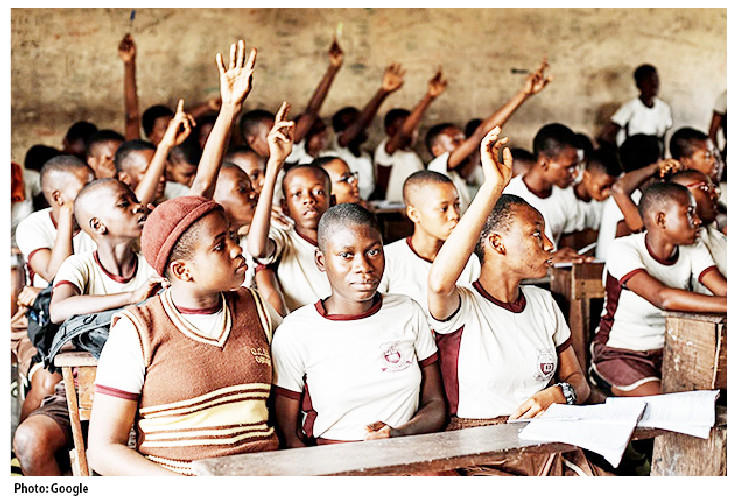
Beneath the smiles and daily routines of countless young girls lie fears, anxieties and emotional struggles that often go unnoticed and unaddressed.
Indeed, experts warn that the inability of families, schools and communities to listen to adolescent girls is creating a silent crisis with far-reaching consequences for their mental health, education and overall well-being.
According to the United Nations, adolescence, defined as the period between ages 10 and 19, is a critical stage of human development marked by rapid physical, emotional and social changes.
For girls, however, this transition is often complicated by gender-related challenges, societal expectations and limited opportunities.
Nigeria is home to one of the largest adolescent populations in the world.
UNICEF estimates that more than 40 million Nigerians are adolescents, with girls accounting for nearly half of that figure.
Yet, millions of these girls continue to face barriers ranging from poverty and harmful social norms to inadequate access to education, healthcare and psychosocial support.
Consequently, many adolescent girls find themselves navigating complex challenges with little guidance or understanding from the adults around them.
Experts note that as girls seek greater independence and privacy during adolescence, communication with parents often becomes strained.
Unfortunately, where open dialogue is absent, young people may turn to peers or unreliable sources for information and support.
This growing communication gap, they warn, contributes to emotional distress, depression, anxiety, social withdrawal and risky behaviour.
In extreme cases, it can also increase vulnerability to self-harm and exploitation.
Mrs Roseline Akinlabi, Adolescent Desk Officer at the Osun Primary Healthcare Board, says Nigerian girls possess enormous potential but continue to confront multiple structural barriers.
According to her, poverty, gender inequality, child marriage, teenage pregnancy, gender-based violence and limited access to quality education and healthcare remain major obstacles to their development.
“These challenges prevent many girls from achieving their aspirations and contributing meaningfully to society,” she said.
Akinlabi therefore called for increased investment in girls’ education, protection and access to adolescent-friendly health services.
“Girls must be equipped with life skills, mentorship and opportunities that build confidence and prepare them for the future. Society must create space for their voices and ensure they are heard,” she said.
Furthermore, she stressed that families, schools, communities, governments and development partners must work together to create safe and enabling environments where girls can thrive.
“Investing in girls today is an investment in Nigeria’s future,” she added.
Similarly, UNICEF has underscored the importance of creating platforms that amplify the voices of adolescent girls and encourage meaningful participation in decisions affecting their lives.
Speaking during a “Yes! Girl” watch session in Osogbo recently, UNICEF Adolescent Development Specialist, Ngozi Izuora-Songu, noted that many girls still struggle with limited access to education, harmful gender norms, early marriage and inadequate reproductive health information.
According to UNICEF data, Nigeria has one of the highest numbers of out-of-school children globally, with girls disproportionately affected in several regions due to poverty, insecurity and discriminatory social practices.
Izuora-Songu said these realities make interventions such as the girl-led “Yes! Girl” podcast timely and important.
“This platform uses storytelling and real-life experiences to bridge information gaps, challenge harmful norms and inspire girls to see themselves as leaders and change-makers,” she said.
According to her, the initiative has already demonstrated positive outcomes, including improved self-confidence, stronger communication skills and greater participation by girls in decisions affecting their lives.
More importantly, she described the platform as a safe space where girls can speak openly, connect with peers and access reliable information.
“Our message is simple: when girls are given a voice, they do not just speak; they lead, inspire and transform their communities,” she said.
She therefore urged governments, civil society organisations, media institutions and community leaders to prioritise platforms that centre girls’ voices and ensure no girl is left unheard.
In the same vein, a girl-child specialist, Mrs Dunmininu Adeyinka, described adolescence as a defining stage that can either unlock opportunities or deepen vulnerabilities.
She observed that for many girls, factors such as early marriage, gender-based violence, poor access to education and inadequate healthcare continue to undermine their development.
“In many communities, cultural norms and economic hardship push girls out of school and into adult responsibilities prematurely,” she said.
The situation remains worrying.
According to UNICEF, millions of Nigerian girls remain at risk of child marriage, while adolescent pregnancy continues to affect educational attainment and future economic opportunities for many young women.
Against this backdrop, Adeyinka emphasised that education remains one of the most powerful tools for transforming the lives of adolescent girls.
However, she noted that financial constraints, unsafe school environments, insecurity and entrenched social expectations continue to prevent many girls from accessing quality education.
“The consequences of denying a girl education extend beyond the individual; they affect economic growth, public health and national development,” she said.
She added that listening to adolescent girls must form the foundation of any meaningful intervention aimed at improving their lives.
Their perspectives provide critical insights into their realities and the solutions they need. Empowerment goes beyond protection; it requires inclusion, respect and opportunity,” she said.
Indeed, development experts continuously agree that societies that invest in girls reap substantial social and economic benefits.
Studies have consistently shown that educated and empowered girls are more likely to delay marriage, participate in the workforce, improve family health outcomes and contribute to community development.
Ultimately, the struggle to support adolescent girls is not merely a gender issue; it is a development imperative.
As Nigeria seeks to achieve its development goals and build a more inclusive society, ensuring that adolescent girls are heard, educated and empowered must remain a priority.
For girls like Temitope and millions of others, the message is clear: their voices matter, their experiences are valid, and their future depends, in part, on a society willing to listen.
Stakeholders insist that when adolescent girls are allowed to speak and be heard, they do more than tell their stories.
They become catalysts for change, transforming their communities and shaping a brighter future for the nation.
.Adeoti writes for the News Agency of Nigeria
We’ve got the edge. Get real-time reports, breaking scoops, and exclusive angles delivered straight to your phone. Don’t settle for stale news. Join LEADERSHIP NEWS on WhatsApp for 24/7 updates →
Join Our WhatsApp Channel