
Leaders in Nigeria’s creative industry have advocated for increased investment in women to unlock the full economic potential of the nation’s creative economy.
They emphasised that addressing barriers to funding, leadership opportunities, infrastructure, and visibility is essential for this key growth sector.
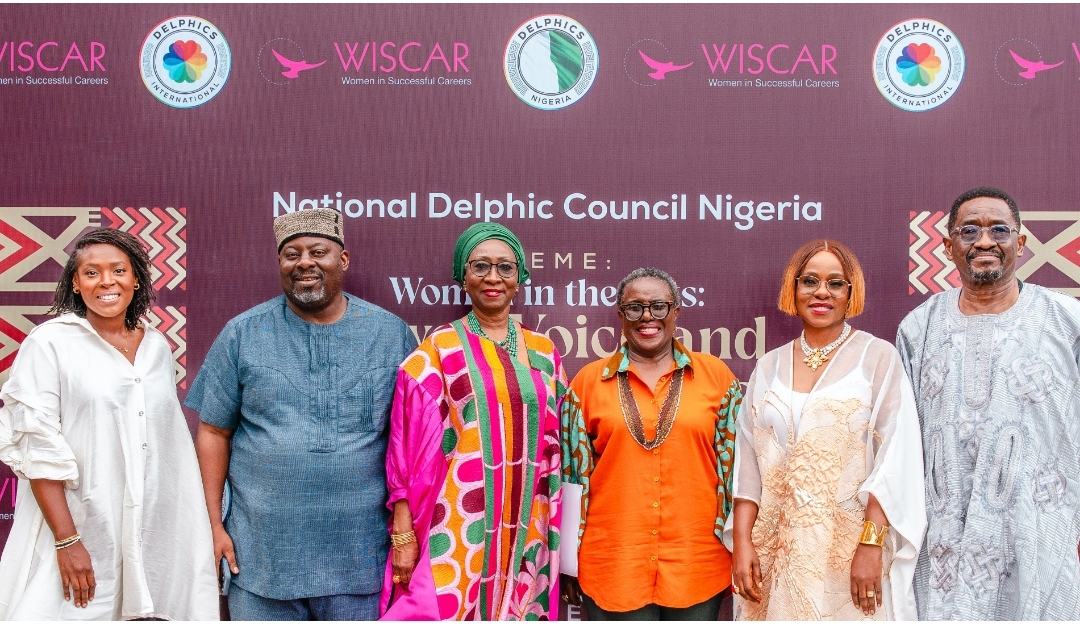
The call was made at the Women in the Arts: Power, Voice and Economic Impact convening, organised by the National Delphic Council Nigeria in partnership with Women in Successful Careers (WISCAR).
The gathering brought together leading voices across film, theatre, visual arts, cultural enterprise, public policy and development to examine how women are shaping Nigeria’s creative sector and what must change for them to participate more fully in its growth.
As Nigeria seeks to position its creative and tourism sectors as pivotal drivers of economic diversification, the importance of this conversation is increasingly clear. By 2025, the federal government aims to achieve a roadmap targeting $100 billion in GDP contribution by 2030, alongside the creation of over three million jobs in the creative economy and tourism sectors.
The president of the National Delphic Council Nigeria and founder of WISCAR, Amina Oyagbola, highlighted the necessity of removing barriers to funding, leadership opportunities, and market access for women.
She stated, “to build a globally competitive creative economy, it is essential that we fully support the women driving culture, storytelling, enterprise, and innovation. Investing in women in the arts is investing in livelihoods, stronger industries, and the cultural preservation and future competitiveness of Nigeria’s creative economy.”
Oyagbola underscored the ongoing contributions of women across various creative fields, including film, music, fashion, visual arts, literature, and cultural enterprises.
She stressed that their efforts must be complemented by robust support systems encompassing financing, mentorship, infrastructure, policy inclusion, and access to broader markets.
She outlined the arts as tools for identity, connection, peacebuilding, and economic impact, and called for actionable steps to enhance women’s participation and leadership in the sector.
Representing the minister of Art, Culture, Tourism, and the Creative Economy, the director-general of the National Council for Arts and Culture, Obi Asika, reaffirmed the crucial role of elevating female voices within Nigeria’s arts and culture ecosystem.
The event discussed leadership, visibility, resilience, and the support necessary to foster a more inclusive sector. The discussions highlighted the ongoing global issue of gender inequality in the cultural and creative industries. UNESCO indicated that while women represent nearly half of the workforce in culture and entertainment, they remain underrepresented in leadership and overrepresented in precarious jobs.
Participants emphasised the need for stronger collaboration among government entities, private sector organisation’s, cultural institutions, development partners, and creative entrepreneurs to ensure that women are not only visible but also empowered to lead, own, scale, and benefit from the growth of Nigeria’s creative economy.
Women in Successful Careers (WISCAR) is a Nigerian non-profit organisation dedicated to empowering and developing professional women.
We’ve got the edge. Get real-time reports, breaking scoops, and exclusive angles delivered straight to your phone. Don’t settle for stale news. Join LEADERSHIP NEWS on WhatsApp for 24/7 updates →
Join Our WhatsApp Channel