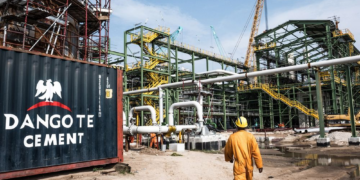

With the nation entering the second half (H2) of 2026 with its strongest macroeconomic fundamentals in years, the Centre for the Promotion of Private Enterprise (CPPE) said the next phase of reform must focus on lowering production costs and improving productivity.
The CEO of CPPE, Dr Muda Yusuf, stated this as the Centre review Nigeria’s Economy In 2026: half-year review and second-half outlook titled, ‘Macroeconomic Recovery, Structural Reforms and the Competitiveness Imperative’
Yusuf pointed out that “Nigeria has entered this period with notably improved macroeconomic fundamentals compared to the beginning of 2026.
Key indicators such as exchange-rate stability, moderating inflation from the exceptionally high levels of 2025, bolstered external reserves, increased oil production, and resilient financial markets have collectively diminished vulnerabilities and enhanced investor confidence.”
Despite these positive developments, he emphasized that “further efforts are needed to translate macroeconomic stabilisation into broad-based enhancements in productivity, competitiveness, employment, and household welfare.”
He stated that “businesses continue to face challenges due to high production costs and structural bottlenecks. The pressing policy objective for the remainder of 2026, therefore, is to leverage these improved macroeconomic conditions to foster inclusive, investment-driven, and productivity-enhancing growth.”
Looking forward to the second half of 2026, the CPPE maintained “a cautiously optimistic outlook. Economic output is expected to continue its positive trajectory, buoyed by sectors such as financial services, telecommunications, construction, trade, oil refining, and various service activities. Although growth may not reach Nigeria’s long-term potential, the economy appears to be on a steady path to recovery.
Inflation is anticipated to remain significantly lower than in 2025, though potential risks from food supply disruptions, energy costs, and global commodity market fluctuations could arise. Sustained exchange-rate stability is likely, bolstered by stronger foreign exchange inflows, healthier reserves, and improved market confidence.”
He pointed out that “financial markets are expected to show resilience, supported by banking-sector recapitalisation, stronger corporate earnings, improved regulatory oversight, and continued institutional participation. Enhanced domestic refining capacity and robust crude oil production could also bolster fiscal revenues, foreign exchange earnings, and energy security.”
He, however, noted that “the upcoming political landscape presents both opportunities and challenges. The intensifying political and electioneering activities leading up to the 2027 elections could inject additional liquidity into the economy, which carries potential implications for inflation, foreign exchange demand, and broader macroeconomic management. It is crucial that this increased political activity does not divert policymakers’ attention from effective economic governance and essential fiscal and structural reforms”.
Yusuf stressed that while improvements in macroeconomic indicators are vital, they must be complemented by targeted reforms to reduce production costs, boost productivity, and enhance the competitiveness of Nigerian enterprises.
He called for prioritised efforts in the following areas: improving electricity supply, enhancing transportation infrastructure and logistics efficiency, bolstering security in farming communities and transport corridors, expanding access to affordable long-term finance for crucial sectors, accelerating budget implementation, and deepening domestic value addition.
He added that “the path forward should involve driving government revenue through efficiency-enhancing reforms rather than imposing additional tax burdens. Consistency in policy is essential, particularly as political activity ramps up ahead of the 2027 elections, ensuring that governance remains effective and that the momentum of reforms and economic management quality is upheld.”
We’ve got the edge. Get real-time reports, breaking scoops, and exclusive angles delivered straight to your phone. Don’t settle for stale news. Join LEADERSHIP NEWS on WhatsApp for 24/7 updates →
Join Our WhatsApp Channel