
Nigeria’s human rights crisis worsened in June, as the National Human Rights Commission (NHRC) received a staggering 326,113 complaints of alleged rights violations in just one month.
The development has raised fresh concerns over escalating killings, kidnappings, child sexual abuse and the growing humanitarian fallout from insecurity across the country.
The commission warned that the scale of abuses reflects a deteriorating security and rights environment requiring urgent government intervention to safeguard the lives and freedoms of citizens.
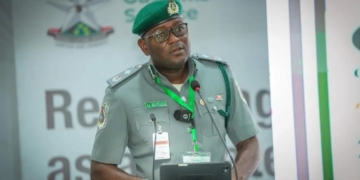
Presenting the NHRC’s June 2026 Human Rights Situation Dashboard in Abuja yesterday, the executive secretary of the commission, Dr. Tony Ojukwu (SAN), disclosed that the complaints were lodged through the commission’s offices nationwide, while its Human Rights Observatory documented hundreds of additional incidents of abuse.
According to him, the right to life remained the most violated fundamental right, with armed attacks accounting for the largest share of reported violations.
He also expressed grave concern over the increasing number of cases involving sexual violence against children, describing the trend as a national emergency demanding immediate and coordinated action.
“The commission received a total of 326,113 complaints in June 2026. This figure underscores the ongoing challenge of protecting the human rights of Nigerians”.
“Our Human Rights Observatory equally documented numerous incidents of violations. The right to life remained the most frequently violated right, while armed violence continued to dominate. We are equally alarmed by the number of cases involving sexual violence against minors. This sustained pattern of violence demands urgent intervention,” Ojukwu said.
The NHRC boss also cited the outcome of the recent 12-day fact-finding mission to Nigeria by the United Nations Special Rapporteur on Freedom of Religion or Belief, Prof. Nazila Ghanea, who visited Abuja, Plateau and Kano states.
He said the UN envoy found that persistent insecurity, kidnappings, attacks on communities and mass displacement were eroding fundamental human rights and heightening religious tensions, with insecurity dominating discussions held with government officials, religious leaders, civil society organisations and the victims.
Ojukwu welcomed the recent constitutional amendment establishing state police, describing it as a major step towards strengthening internal security and improving the protection of lives and property.
He, however, warned that the initiative must be backed by robust accountability mechanisms, adequate training and effective oversight to prevent political abuse and human rights violations.
We’ve got the edge. Get real-time reports, breaking scoops, and exclusive angles delivered straight to your phone. Don’t settle for stale news. Join LEADERSHIP NEWS on WhatsApp for 24/7 updates →
Join Our WhatsApp Channel