
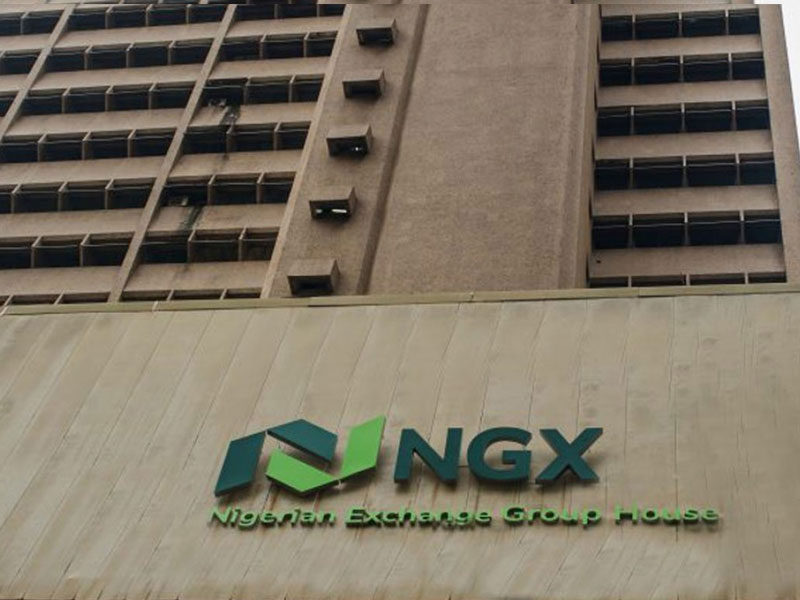
Stockbrokers have commended the Nigerian Exchange Group for engaging FTSE Russell, global institutional investors and custodians to address concerns over Nigeria’s T+1 settlement and the pause on its Frontier Market reclassification.
The NGX delegation used the meeting to clarify reforms, explain the new settlement cycle, and seek feedback ahead of FTSE Russell’s definitive update expected by the end of August 2026.
According to Nairametrics, a senior NGX official, who was at the meeting said that the engagement provided an opportunity for Nigerian market stakeholders to seek clarity on the reasons behind FTSE Russell’s hesitation and outline ongoing reforms designed to strengthen investor confidence.
“A key focus of the discussions was Nigeria’s transition to a T+1 settlement cycle, which came into effect last month after extensive consultations among regulators, market operators, infrastructure providers, and other stakeholders,” the source said.
According to the source, the delegation emphasized that the T+1 framework was jointly developed through industry-wide consultations and has been operating smoothly since its implementation.
The team also highlighted that the Securities and Exchange Commission (SEC) approved the transition and reiterated Nigeria’s readiness to address any concerns within the framework of the new settlement cycle.
The September 2026 upgrade has been temporarily paused. While FTSE Russell did announce Nigeria’s reclassification back to Frontier Market status during its March 2026 interim review, it has since placed the implementation under further review.
Speaking on the development, the managing director and chief executive officer of APT Securities and Funds Limited, Kasimu Kurfi emphasized that there seems to be some misunderstanding about the implications of the T+1 settlement process, which has led to certain reservations among market participants.
He believed it would be valuable for the Central Securities Clearing System (CSCS) and the Nigerian Exchange Group (NGS) to engage with those expressing concerns, saying that “by addressing their fears and providing clarity, they can help stakeholders make informed decisions. Misunderstandings can lead to assumptions that may not be accurate, and open communication is crucial to dispel those notions.”
Kurfi is confident in the current performance of the market and sees no reason for regression. He also pointed out that institutions like S&P and Moody’s are recognizing Nigeria’s exchange as a potential frontier market, which is a sign of progress, saying “their assessment indicates that they are not impacted by the T+1 settlement, as they are accustomed to similar practices elsewhere.”
He commended the initiative taken by the CSCS and NGX to address concerns with international stakeholders, believing that such discussions can help reshape perceptions and foster a more accurate understanding.
Kurfi reiterated his optimism regarding the upcoming classification, reinforcing that Nigeria is an attractive market for foreign investors, particularly given its strong performance.
Also, a public finance expert, Dr. Khalid Ahmed, commended the leadership of the NGX for making the bold move.
“Behind engagements like these lies something far greater than a series of meetings. They represent strategic efforts to strengthen investor confidence, enhance market credibility, improve capital flows, and reinforce Nigeria’s position within the global financial ecosystem,” he said.
We’ve got the edge. Get real-time reports, breaking scoops, and exclusive angles delivered straight to your phone. Don’t settle for stale news. Join LEADERSHIP NEWS on WhatsApp for 24/7 updates →
Join Our WhatsApp Channel