Recognition in public service often shows more than individual accomplishment, it can also serve as an indication of the impact of policies and institutions on national development.
In Nigeria’s education sector, where challenges such as inadequate infrastructure, limited research funding and declining academic standards have persisted for decades, honours bestowed on key stakeholders increasingly show efforts to reverse those trends.
For the Tertiary Education Trust Fund (TETFund), recent honours have drawn attention not only to its leadership but also to the broader transformation taking place across the country’s tertiary education system.
This growing recognition came into focus at the 2026 Annual Education Summit of the Education Correspondents Association of Nigeria in Abuja, where education policymakers, administrators and stakeholders gathered to examine the future of the sector.
During the event, the Minister of Education, Dr Maruf Tunji Alausa, publicly commended TETFund for its pivotal role in expanding infrastructure, strengthening research and supporting reforms aimed at improving the quality of tertiary education.
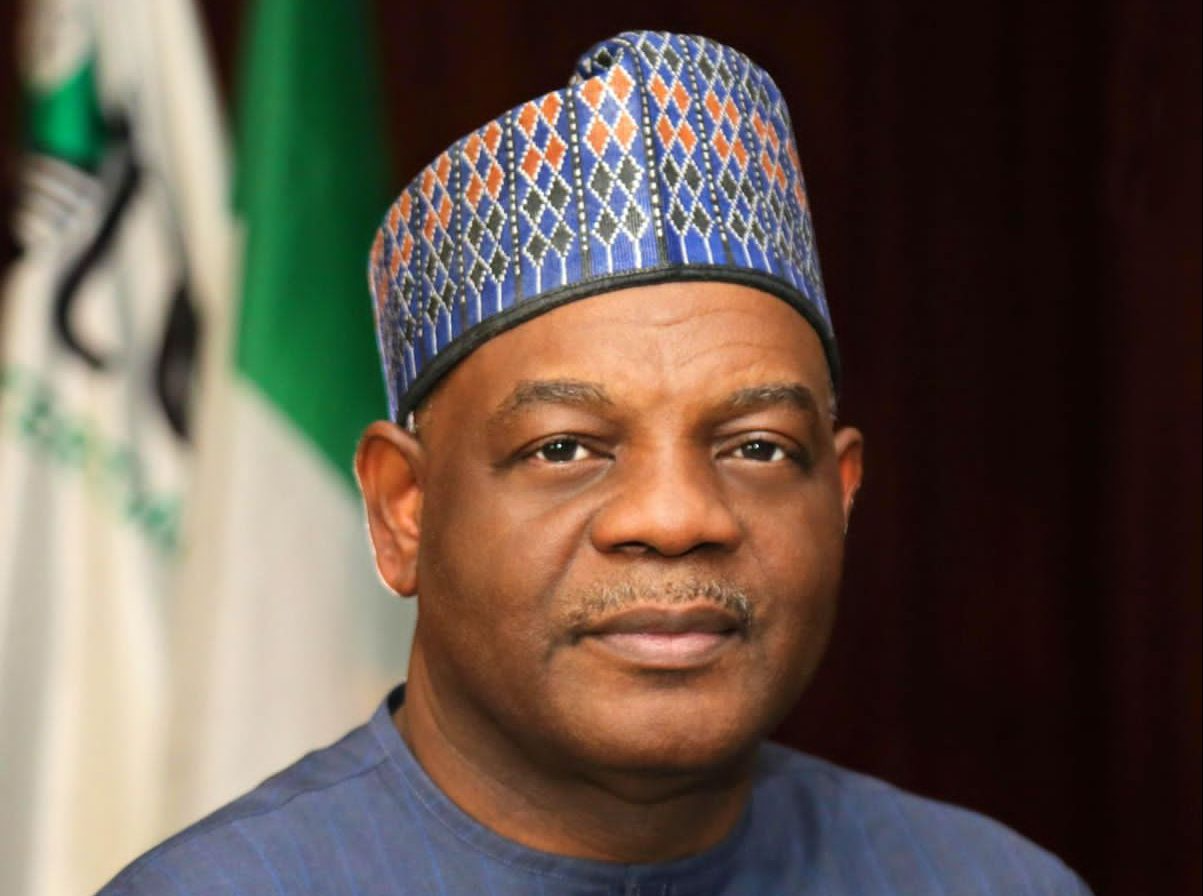
The highlight of the summit was the presentation of an ECAN Recognition Award to the Executive Secretary of TETFund, Arc Sonny Echono.
While the award celebrated his leadership, it also reflected the growing acknowledgement of TETFund’s contributions to universities, polytechnics and colleges of education.
Coming amid a series of national honours received by Echono since assuming office, the recognition has reinforced discussions on how sustained investment, institutional reforms and accountability are reshaping Nigeria’s higher education landscape.
Presenting the award, Alausa described TETFund as one of the key institutions driving improvements in the education sector. He said the expansion of educational access and the visible improvements in tertiary institutions over the past three years had been supported significantly by the investments of TETFund and the Universal Basic Education Commission.
According to the minister, the agency has gone beyond constructing buildings to creating an environment where teaching, learning and research can thrive. He noted that investments in classrooms, laboratories, libraries, hostels and specialised facilities have strengthened institutions across the country, while interventions in research and academic staff development have improved the quality of education.
Alausa also reaffirmed the Federal Government’s commitment to protecting TETFund amid ongoing tax reform discussions.
He recently assured stakeholders that the Fund would remain intact because of its strategic importance to the development of tertiary education, describing it as a cornerstone of progress in Nigeria’s higher institutions.
Beyond infrastructure, the minister highlighted TETFund’s support for research, innovation and local academic publishing.
He pointed to the agency’s sponsorship of groundbreaking research projects and the recent unveiling of academic textbooks authored by Nigerian scholars as evidence of its commitment to strengthening knowledge production and reducing dependence on foreign publications.
The recognition by ECAN adds to a growing list of honours conferred on Echono since he assumed office as Executive Secretary of TETFund.
While awards alone do not define performance, the consistency of such recognition shows the increasing visibility of the agency’s interventions and the confidence many stakeholders have expressed in its direction.
In April 2025, Echono received the Vanguard Newspaper Education Icon 2024 Award during the media organisation’s annual Personality of the Year Awards in Lagos.
The honour recognised his leadership in strengthening tertiary education through improved infrastructure, increased research funding, academic staff development and policies aimed at making Nigerian institutions more globally competitive.
Receiving the award, Echono dedicated the recognition to President Bola Tinubu, the Minister of Education, Dr Maruf Tunji Alausa, and the Board, management and staff of TETFund.
He said the honour as encouragement to sustain ongoing reforms and continue improving the quality of higher education in the country.
A few months later, in August 2025, the Nigerian Institute of Architects presented him with an Award for Excellent Service during a courtesy visit to TETFund headquarters in Abuja.
The institute recognised his contributions to the architectural profession, particularly his service as the 28th President of the Nigerian Institute of Architects, as well as his role in promoting quality educational infrastructure through TETFund’s interventions nationwide.
His recognition continued in April 2026 when Aljazirah Nigeria and London honoured him with the 2025 Personality of the Year Award and the Tertiary Education Transformation Champion Award. According to the organisation, the awards followed an extensive assessment of his transparency, leadership and impact in managing TETFund.
Accepting the honours, Echono reaffirmed his commitment to strengthening accountability and ensuring that TETFund continues to deliver interventions that improve teaching, learning, research and innovation in tertiary institutions.
He pledged to deepen reforms and sustain prudent management of the Fund’s resources.
The latest addition came in July 2026 when ECAN honoured him during its maiden national education summit in Abuja.
The association said the recognition followed years of observing his stewardship and the measurable impact of TETFund’s programmes across universities, polytechnics and colleges of education.
Although the honours focus on Echono’s leadership, many education stakeholders argue that they also reflect the broader transformation within TETFund itself.
Over the years, the agency has expanded interventions beyond physical infrastructure to include academic staff training, institutional research grants, entrepreneurship development, digital learning facilities, library upgrades and innovation support.
Several Nigerian universities now boast modern laboratories, lecture theatres, hostels, medical facilities and research centres funded through TETFund interventions. Academic staff have also benefited from sponsorship for postgraduate studies and conference participation, helping institutions improve teaching quality and research output.
The agency has equally intensified support for innovation through initiatives that encourage researchers to convert academic findings into commercially viable products and solutions capable of addressing national development challenges.
Such interventions have strengthened collaboration among universities, industries and development partners while encouraging a culture of problem-solving research.
We’ve got the edge. Get real-time reports, breaking scoops, and exclusive angles delivered straight to your phone. Don’t settle for stale news. Join LEADERSHIP NEWS on WhatsApp for 24/7 updates →
Join Our WhatsApp Channel