Once upon a time in Nigeria, the Nigerian National Petroleum Corporation (NNPC) owned the biggest and only fuel depots. It was the dominant oil marketing company in the country and, with its pipelines and trucks, operated the most efficient transportation network for moving petroleum products from one end of Nigeria to the other.
NNPC also had a monopoly on crude oil refining. Until about two decades ago, the only thing it did not engage in was retailing. But those days of dominance are long gone.
Today, the entire value chain of refining, storing, marketing and transporting petroleum products is controlled by private companies and individuals.
One of the hundreds of companies operating in the oil and gas industry is Shafa Energy, a subsidiary of AYM Shafa Holdings Ltd, which recently marked its 30th anniversary.
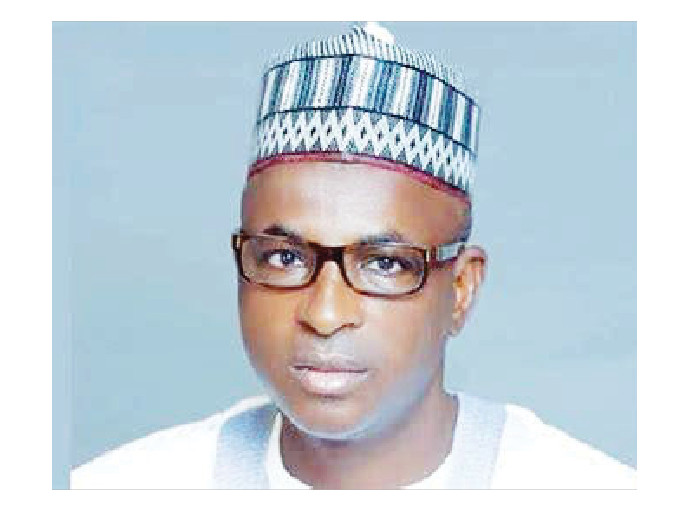
Everything about Abdulmumini Yakubu Maishanu, the Chairman and CEO of AYM Shafa, and everything about the company itself, is the very definition of “from humble beginnings.” Maishanu’s life experience has been all the education he has needed.
As his name suggests, he started life trading cattle as a child—what many in Nigeria today would deride as being “just a herder.” After selling petroleum products from a roadside stand, he established enough to set up his own oil business and built his first filling station in rural Bauchi.
Yet Shafa Energy now has ambitions to own its own vessels and establish its own refinery. The company’s growth over the past 30 years, the liberalisation of the oil industry and the example set by other industry players suggest those ambitions are well within reach.
From that single filling station in Tudun Gokaru, Alkaleri, Bauchi State, and with just one truck, Shafa Energy today boasts a 95-million-litre fuel depot, 250 filling stations, 500 trucks and a multimillion-dollar terminal in Warri, Delta State, all of which the company plans to expand.
Shafa Energy is not a publicly traded company, so its annual turnover, profits and liabilities are not publicly available. Nevertheless, Maishanu’s personal net worth is estimated to run into the hundreds of millions of dollars, while the company’s value is believed to be even greater.
After the administration of President Bola Tinubu removed the PMS subsidy and launched a presidential initiative to make Compressed Natural Gas (CNG) an affordable alternative by establishing conversion centres, Shafa Energy quickly aligned itself with the policy.
The company subsequently launched Shafa CNG and is now also investing heavily in Liquefied Petroleum Gas (LPG).
AYM Shafa Holdings has several subsidiaries, while Maishanu himself has ventured into businesses beyond oil and gas. In a way, he is a Jack of all trades seeking to master them all. Whether that ambition eventually compels him to consolidate within one industry remains to be seen.
We’ve got the edge. Get real-time reports, breaking scoops, and exclusive angles delivered straight to your phone. Don’t settle for stale news. Join LEADERSHIP NEWS on WhatsApp for 24/7 updates →
Join Our WhatsApp Channel