Global demand for liquefied natural gas (LNG) is rising rapidly, driven by energy security concerns, economic growth in Asia, the transition to cleaner fuels, and increasing electricity demand from industries and data centres. Shell projects global LNG demand will grow by between 54 and 68 per cent by 2040, underscoring the strategic importance of LNG in the global energy mix.
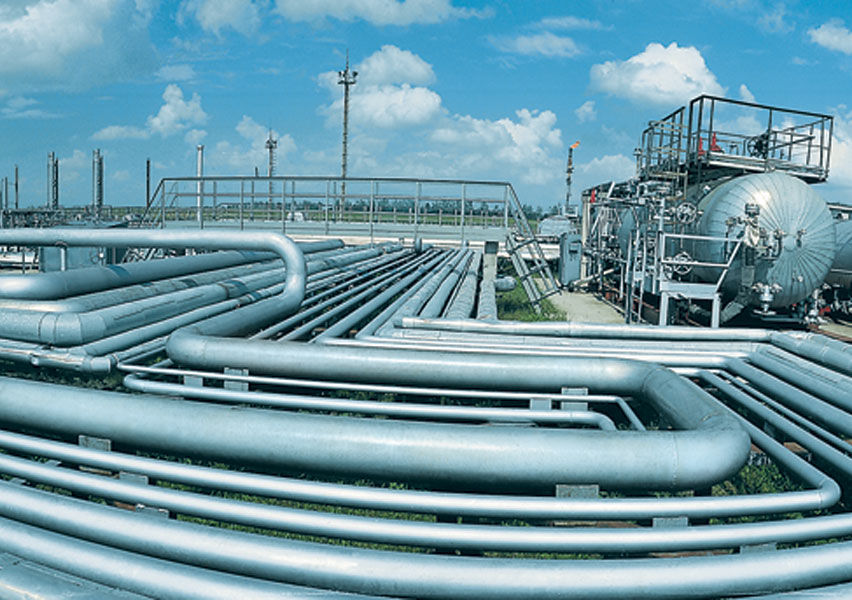
Against this backdrop, Nigeria is strengthening its position through the Nigeria LNG (NLNG) Train 7 project, which has reached over 92 per cent completion. The $5 billion project will expand NLNG’s production capacity by 35 per cent, from 22 million tonnes per annum (MTPA) to 30 MTPA, positioning Nigeria to become one of the world’s top LNG exporters while meeting growing international demand.
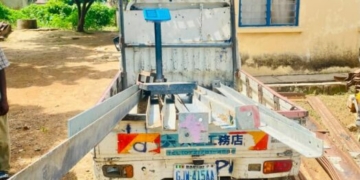
Beyond boosting exports, Train 7 is expected to deepen local industrial capacity and create significant economic value. The project has generated over 10,000 direct jobs, with more than 13,000 Nigerians employed at peak construction. It has also strengthened local manufacturing through the supply of structural steel, cables and engineering services by Nigerian firms, while promoting skills development through partnerships with universities and technical training programmes.
The project, approved by NLNG shareholders in 2019 and executed despite disruptions caused by the COVID-19 pandemic, demonstrates Nigeria’s commitment to monetising its vast gas resources under the Federal Government’s Decade of Gas initiative. Industry stakeholders believe the experience gained from Train 7 will support future projects, including the proposed Train 8, while enhancing Nigeria’s competitiveness in the global LNG market.
International confidence in Nigeria’s gas sector is also growing.
The U.S. Trade and Development Agency (USTDA) recently funded a feasibility study for a small-scale LNG plant by Powergas Nigeria Ltd., aimed at supplying industries and remote communities through a virtual pipeline network. The project is expected to improve energy access while opening opportunities for U.S. technology providers.
Nigeria’s LNG export performance further reflects this momentum. According to the 2026 World LNG Report, the country exported 14.78 million metric tonnes of LNG in 2025, up from 13.78 million tonnes in 2024, with exports valued at about N20 trillion. Nigeria ranked seventh among global LNG exporters and accounted for 3.4 per cent of global LNG trade, reinforcing its status as Africa’s leading LNG exporter despite challenges related to gas supply and infrastructure.
We’ve got the edge. Get real-time reports, breaking scoops, and exclusive angles delivered straight to your phone. Don’t settle for stale news. Join LEADERSHIP NEWS on WhatsApp for 24/7 updates →
Join Our WhatsApp Channel