Stakeholders in Kogi State have called for urgent reforms to the global financial system, warning that Africa’s rising sovereign debt burden is denying millions of people access to quality healthcare, education and other essential public services.
They urged international creditors to lower interest rates on loans to developing countries and suspend debt repayments during pandemics and natural disasters to enable governments channel more resources to critical sectors, including health, education, water supply and infrastructure.
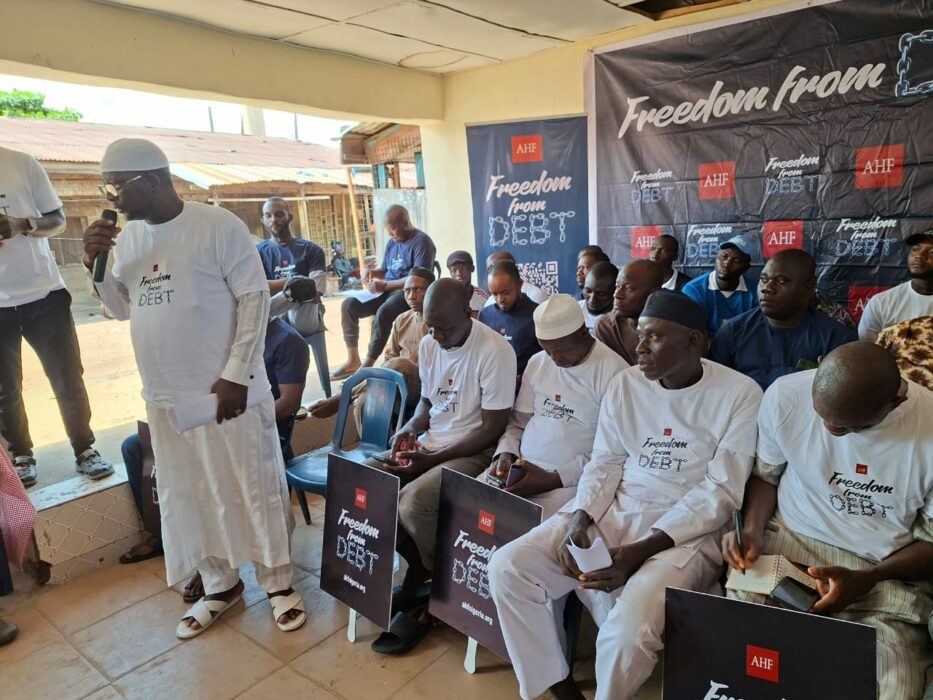
The stakeholders made the call on Tuesday during the Freedom from Debt Campaign organised by AIDS Healthcare Foundation (AHF) Nigeria at Sarkin Noma community in Lokoja.
Speaking at the event, a community leader, Nasiru Illiyasu, urged governments to implement the proposed Borrowers’ Forum initiated at the Seville Financing for Development Summit and the G20 South Africa meeting to strengthen the collective bargaining power of debtor nations.
The youth leader of Sarkin Noma community, Idris Yahaya, advocated the automatic suspension of debt servicing during public health and climate emergencies, saying such a measure would provide much-needed fiscal relief for developing countries facing mounting debt obligations.
Also speaking, the women leader of the community, Asimau Abdulmalik, proposed the introduction of a one per cent Artificial Intelligence (AI) Solidarity Levy on AI-related capital and profits to support debt relief initiatives and strengthen social protection programmes.
The Hakimi of Sarkin Noma, Mallam Bala Musa, commended AHF Nigeria for taking the campaign to the grassroots, expressing optimism that the initiative would improve the welfare and living conditions of rural communities across Africa.
Similarly, Ambassador Idris Muraina described the campaign as timely and urged international financial institutions, particularly the World Bank and the International Monetary Fund (IMF), to ease debt repayment conditions for developing countries to enable greater investment in education, healthcare, social welfare and other development priorities.
The vice chairman of the Nigeria Union of Journalists (NUJ), Kogi State Council, Ibrahim Obansa, also lauded AHF Nigeria for the initiative and pledged the support of the council in amplifying the campaign through sustained public enlightenment.
Some stakeholders, however, stressed that African governments must demonstrate greater transparency, accountability and prudence in the management of public resources, particularly where debt relief or restructuring is granted.
Earlier, AHF Nigeria’s senior advocacy and marketing manager, Steve Aborisade, presented a policy brief titled, The Crushing Reality of Sovereign Debt, describing the existing global debt architecture as one that is “failing by design.”
According to him, low- and middle-income countries pay between two and four times higher interest rates than the United States and up to 12 times more than Germany, while an estimated 3.4 billion people live in countries that spend more on debt servicing than on healthcare or education.
Aborisade said AHF Nigeria and its partners were advocating fairer lending terms and comprehensive reforms of the international financial system to enable governments invest more in their citizens and reclaim their economic sovereignty.
He maintained that no country should be forced to choose between protecting the lives of its citizens and meeting unfair debt repayment obligations, urging world leaders to treat the global debt crisis with the urgency it deserves.
We’ve got the edge. Get real-time reports, breaking scoops, and exclusive angles delivered straight to your phone. Don’t settle for stale news. Join LEADERSHIP NEWS on WhatsApp for 24/7 updates →
Join Our WhatsApp Channel