Stakeholders in Nigeria’s oil and gas sector, including regulators, Host Community Development Trusts (HCDTs), oil and gas companies and civil society organisations, have reviewed the implementation of the Petroleum Industry Act (PIA) and reforms in host-community governance.
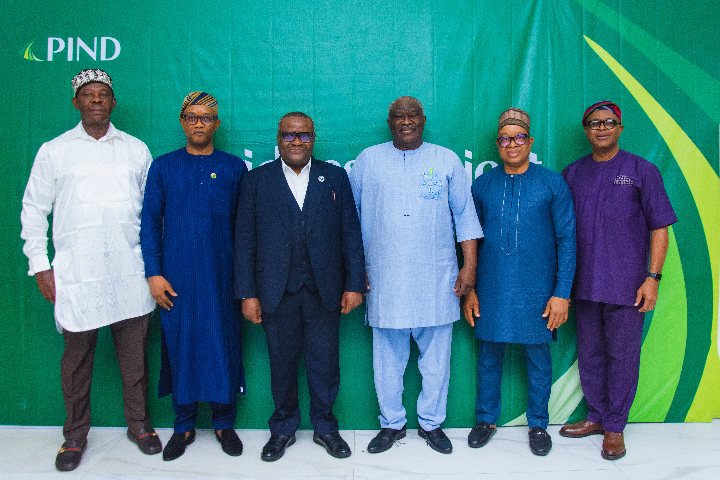
The stakeholders were brought together by the Bridges Project HCDT Impact Summit organised by the Foundation for Partnership Initiatives in the Niger Delta (PIND), in collaboration with the Ford Foundation, to assess progress made in the operation of HCDTs and identify challenges affecting their sustainability.
The summit, themed, “From Evidence to Sustainability: Consolidating HCDT Gains and Advancing Effective PIA Implementation,” examined findings from the project, including its HCDT Impact Evidence Report, case studies and outcome-harvesting exercises.
Participants also discussed governance, performance monitoring, peer learning, stakeholder coordination and capacity development during a Sustainability Clinic held as part of the summit.
PIND’s programmes director, Dr Effiong Essien, said the progress recorded by HCDTs would need to be sustained beyond the project cycle.
He said, “The progress made by HCDTs must translate into stronger institutions, better community participation and more accountable development. Sustainability now depends on stakeholders taking ownership of the tools, relationships and practices that have been built, and committing the resources and leadership required to keep them working.”
Representatives of selected HCDTs also presented accounts of changes recorded in their communities, alongside challenges affecting their operations.
The chairman of Emuoha HCDT, Smart Okpara, said the project had strengthened the Trust’s approach to planning, stakeholder engagement and monitoring of development activities.
“Bridges has given us practical tools to improve our governance, involve our communities in decision-making and track the results of our development investments. Our responsibility now is to keep using these systems and ensure that the progress continues beyond the project,” he said.
Representatives of the Nigerian Upstream Petroleum Regulatory Commission (NUPRC), oil companies and civil society organisations also discussed regulatory and operational issues affecting HCDTs and PIA implementation.
Speaking on behalf of NUPRC, its deputy director, Kingsley Ehiaguina, said lessons from the project could contribute to improved HCDT performance and compliance with the PIA.
“Effective implementation of the PIA requires HCDTs that are transparent, accountable and responsive to their host communities. The lessons emerging from the Bridges Project provide a useful basis for improving practice, strengthening stakeholder coordination and sustaining compliance,” he said.
The summit ended with participants reviewing a Sustainability Framework outlining proposed responsibilities for governance, monitoring and evaluation, peer learning, knowledge management, capacity development and stakeholder coordination.
We’ve got the edge. Get real-time reports, breaking scoops, and exclusive angles delivered straight to your phone. Don’t settle for stale news. Join LEADERSHIP NEWS on WhatsApp for 24/7 updates →
Join Our WhatsApp Channel