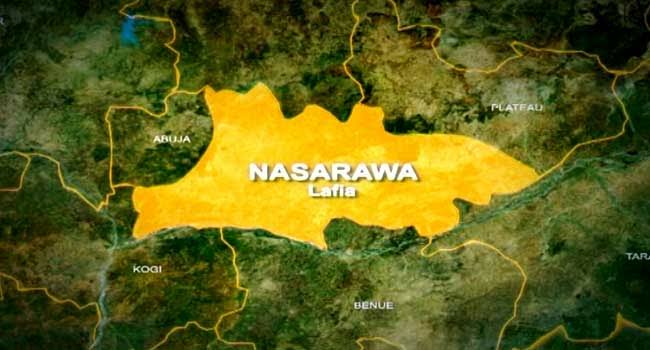
Smallholder women farmers in Nasarawa State have decried their exclusion from the state’s agricultural budget despite consistent participation in the budget process.
The Small-Scale Women Farmers Organisation in Nigeria (SWOFON), Nasarawa State chapter, stated this yesterday in Lafia during a press briefing on accelerating women farmers’ impact towards food security.
Briefing journalists, the state coordinator, Jummai Yohanna, said the position was based on the 2026 International Budget Partnership (IBP) and SWOFON assessment covering five states between 2019 and 2025.
Yohanna said agriculture averaged 5.82 percent of Nasarawa’s approved budgets between 2021 and 2025, below the 10 percent benchmark, while agricultural capital execution averaged 72.6 percent, the highest among the states assessed.
She said SWOFON attended every budget hearing during the period, as confirmed by the deputy director of Budget, but the participation has not translated into dedicated budget commitments for women farmers.
“The Charter of Demands generated from community town-hall meetings on land issues has no dedicated, traceable budget line. The only partial response was communal land at Kona, without clear terms of access, duration, beneficiary selection or tenure security,” Yohanna said.
According to her, access is not ownership, noting that across the five states, 84.9 percent of members reported improved land access while 24.5 percent reported not owning land.
She said agricultural support reaching members in Nasarawa was limited to seedlings for 10 members and 25 bags of fertilizer, compared to about 2,000 members in the state database.
Yohanna said Nasarawa has attracted large-scale investments including 14,000 hectares for rice in Toto LGA and a planned 20,000-hectare cassava and sugar plantation near Umuasha, but women farmers risk being displaced rather than integrated into the value chains.
She listed poor rural roads, storage, processing, market linkages and insecurity as factors limiting returns for women farmers.
SWOFON called on the Nasarawa State Government to convert Charter demands into costed budget commitments with responsible MDAs, published allocations and releases, sex-disaggregated beneficiary data, transparent land access mechanisms and affordable mechanisation services for women and their cooperatives.
The group also urged Local Government Councils to institutionalise engagement with women farmers in budget planning and called on the State House of Assembly to strengthen oversight of agricultural allocations and implementation.
“Nasarawa does not need to begin from zero. It has a foundation of citizen participation and strong capital execution. The task now is to connect participation to budget commitments and measurable results for women farmers,” Yohanna said.
We’ve got the edge. Get real-time reports, breaking scoops, and exclusive angles delivered straight to your phone. Don’t settle for stale news. Join LEADERSHIP NEWS on WhatsApp for 24/7 updates →
Join Our WhatsApp Channel