
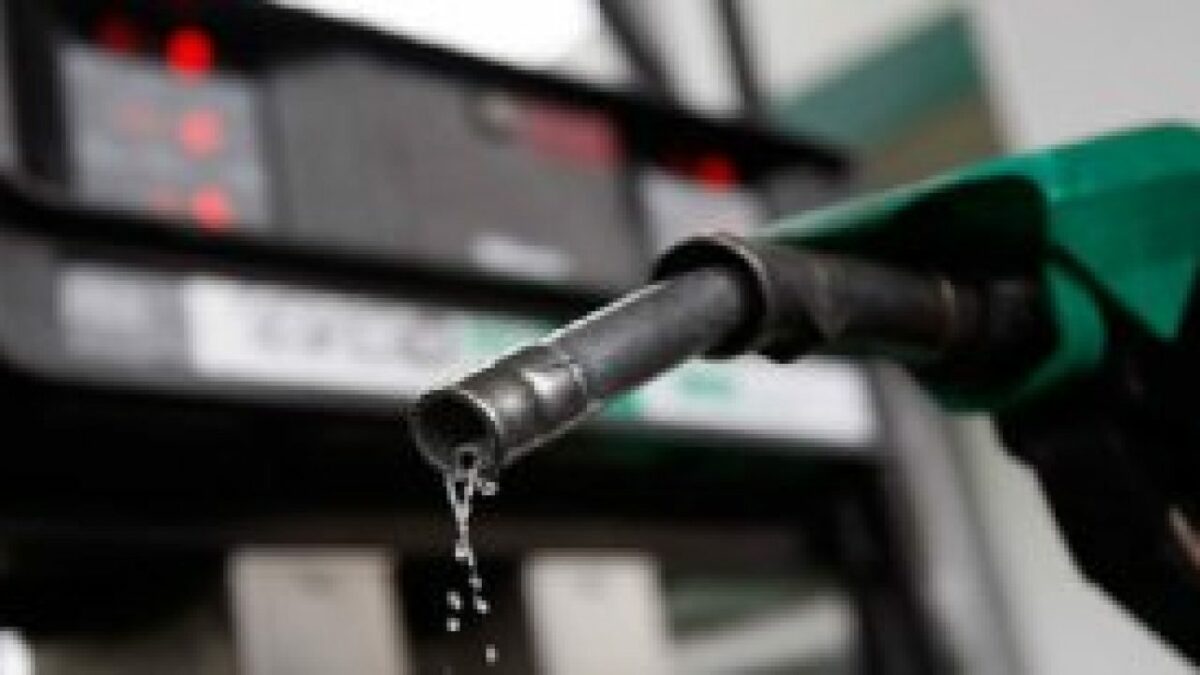
Nigeria’s daily average petrol imports dropped 26 percent in August 2026 as the Dangote Petroleum Refinery supplied 71 percent of all Premium Motor Spirit (PMS) received for domestic use, marking a sharp shift away from foreign supply, according to the latest factsheet from the Nigerian Midstream and Downstream Petroleum Regulatory Authority (NMDPRA).
Total daily PMS receipts rose 11 percent to 50.5 million litres, driven by a 39 percent increase in domestically sourced volumes even as imports fell to 14.6 million litres per day from 19.7 million litres in July. Dangote produced an average of 41.94 million litres of petrol daily, supplying 35.87 million litres to the Nigerian market and exporting 9.73 million litres, the regulator’s data showed.
The surge in local supply came as petrol consumption declined 14 percent to 41.5 million litres per day, reflecting weaker demand amid higher pump prices. Stock sufficiency for petrol improved to 22.9 days by the end of August.
Diesel (Automotive Gas Oil, AGO) moved in the opposite direction, with daily receipts falling 39 percent to 14.5 million litres as both domestic supply and imports dropped sharply. Imports of diesel plunged 84 percent, while consumption fell 15 percent based on volumes trucked into the domestic market. Diesel stock sufficiency stood at 51.6 days.
Aviation fuel (ATK) receipts surged 63 percent to 3.1 million litres per day, with consumption up 22 percent. Liquefied Petroleum Gas (LPG) receipts fell 19 percent, though imported LPG rose 44 percent even as domestic supply contracted.
Crude oil receipts by domestic refineries increased 17 percent month on month, rising from 0.585 million barrels per day in July to 0.683 million barrels per day in August. Dangote processed 137.98 million barrels of crude during the month—109.88 million barrels sourced domestically and 28.10 million barrels imported—operating at 105.21 percent of its designed capacity.
None of the three state-owned NNPC refineries—Port Harcourt, Warri and Kaduna—recorded any output in August, drawing fresh criticism over their continued idleness despite billions of dollars spent on rehabilitation. Among modular refiners, Edo Refinery led with 90.43 percent capacity utilization, followed by Walter Smith (64.77 percent), Aradel (58.77 percent), OPAC (16.97 percent), while Duport remained shut down.
Domestic gas supply, including volumes delivered to the Nigeria Liquefied Natural Gas (NLNG) plant, rose 4 percent to 4.930 billion cubic feet per day. Gas-to-power, commercial and industrial supply all posted increases, though LNG export volumes via NLNG declined to 105,317 cubic metres per day. Pipeline exports through the West African Gas Pipeline (WAGP) rose to 0.152 billion cubic feet per day.
On infrastructure, the OB3 River Niger Crossing is fully complete, while the broader OB3 Gas Pipeline and ELPS Midline Compressor projects stand at 96 percent and 96.37 percent respectively. The Ajaokuta–Kaduna–Kano (AKK) Pipeline is 80 percent complete, the Obidi–Warri Expansion Project 71.17 percent, and the Escravos–Obidi Pipeline 27.50 percent.
Plant condensate production totaled 14.817 million barrels between January and August 2026, averaging 1.852 million barrels monthly, with June recording the year’s peak output of 2.220 million barrels.
We’ve got the edge. Get real-time reports, breaking scoops, and exclusive angles delivered straight to your phone. Don’t settle for stale news. Join LEADERSHIP NEWS on WhatsApp for 24/7 updates →
Join Our WhatsApp Channel