
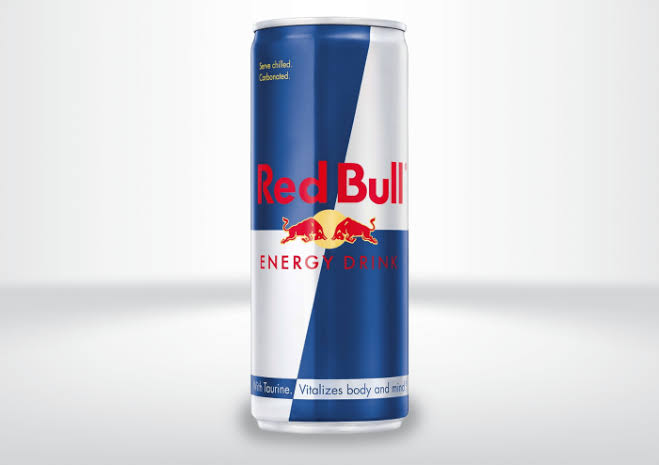
Austrian beverage company, Red Bull, has sued India’s food safety regulator over a directive prohibiting manufacturers from using the term “energy drink” on certain high-caffeine beverages.
According to court documents seen by Reuters, Red Bull argued that the regulator imposed the restriction without first issuing a warning notice or following the required legal process.
The company said the “abrupt prohibition” was creating regulatory uncertainty and could negatively affect its existing and planned investments in India.
Red Bull’s India unit made the claims in a petition filed before the Delhi High Court on 25 September, challenging the Food Safety and Standards Authority of India’s (FSSAI) decision to prohibit the use of the “energy drink” descriptor.
The company argued that the term is widely recognised globally and that banning its use, without any change to the applicable product standard, could disrupt its business operations.
It said the directive was inconsistent with India’s stated policy of promoting international trade and investment while providing greater certainty for businesses.
According to Red Bull, the impact of the directive was such that it could “bring the petitioner’s entire business to a standstill”.
The legal action is the first court challenge by a major beverage company against the regulatory measure, which has affected several international brands operating in India.
In June, Indian authorities ordered manufacturers of high-caffeine beverages marketed as “energy drinks” to stop using the description.
The directive has triggered resistance from companies including Red Bull, Pepsi, Monster Beverage and Reliance, which have expressed concerns that removing the category descriptor could affect brands that have been built around energy-related marketing.
A government source, however, said the FSSAI would defend the directive in court, arguing that the regulator had historically not permitted the use of “energy drinks” on product labels.
The dispute comes amid an intensified food safety enforcement drive in India, involving regulatory inspections and scrutiny of food and beverage companies over compliance with existing standards.
India’s energy drink market is expanding rapidly, with retail sales growing by an estimated 12.6 per cent annually, according to Euromonitor.
The market expanded significantly after Pepsi launched Sting in 2017. The drink, sold in 20-rupee ($0.21) plastic bottles, became particularly popular among consumers aged 15 to 19, Euromonitor said.
Red Bull’s Indian business generated $130 million in revenue in 2024, more than twice its earnings four years earlier.
The regulatory dispute also comes amid wider concerns over the health effects of energy drinks, which can contain high levels of caffeine and sugar, as well as taurine, an amino acid.
We’ve got the edge. Get real-time reports, breaking scoops, and exclusive angles delivered straight to your phone. Don’t settle for stale news. Join LEADERSHIP NEWS on WhatsApp for 24/7 updates →
Join Our WhatsApp Channel