The growing number of men seeking treatment for prostate cancer highlights the need for improved early diagnosis and access to specialised healthcare in Nigeria, the president of Kelina Hospital, Dr Celsus Undie, has said.
Undie expressed the concern in Lagos during the first anniversary of the hospital’s robotic surgery programme, calling for stronger efforts to ensure that Nigerian men receive timely treatment rather than present at advanced stages of the disease.
“We see a lot of prostate cancer now. Many of us never knew that we had that much of a prostate cancer problem in Nigeria until we started doing the type of surgery that Nigerians are looking for,” he said.
“The cancer burden is high, and we need to be able to help our people.”
Undie attributed the high incidence of prostate cancer among Africans partly to genetic factors. However, the scale of the disease in Nigeria requires greater attention to diagnosis, public awareness and access to appropriate treatment.
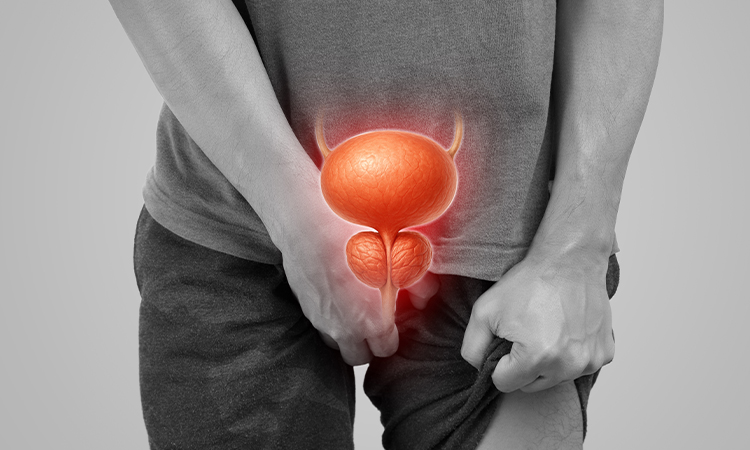
Prostate cancer develops in the prostate gland and may progress without obvious symptoms in its early stages. Although urinary difficulties can prompt medical evaluation, such symptoms may also result from other prostate conditions and should not automatically be taken as evidence of cancer.
Undie said Kelina Hospital had performed more than 50 robotic radical prostatectomy procedures since launching its robotic surgery programme in September 2025. The procedures became a regular service at the hospital in June 2026, according to the facility.
He said the hospital’s Nigerian surgical team now performs the operations regularly without depending on visiting foreign surgeons, demonstrating the growing capacity of local medical professionals to provide specialised treatment.
The hospital chief also said more than half of its patients undergoing the procedure were discharged a day after surgery, although recovery time and outcomes vary according to individual circumstances.
“Many of us in urology, a lot of my colleagues, are doing our best to see what we can do so that people can remain at home. It is much cheaper for them to have their treatment at home than to travel around the whole world looking for help,” he said.
The development comes amid concerns about the cost of medical treatment abroad and the financial burden on patients who travel outside Nigeria for specialised care. Expanding local capacity could reduce some of these expenses, although affordability, availability of equipment and access to qualified specialists remain important considerations.
Undie stressed the importance of detecting prostate cancer before it spreads to other parts of the body, explaining that advanced disease could be more difficult to manage.
“When cancer is confined to an organ, treatment options may include removing it, depending on the nature and stage of the disease. Once it spreads, treatment is not so effective,” he said.
He explained that metastasis, the spread of cancer from its original site to other parts of the body, could complicate treatment and affect a patient’s health.
However, treatment decisions depend on the cancer’s stage, the patient’s overall health and other clinical findings. Surgery is not the only option for every patient, making specialist assessment important in determining an appropriate course of care.
A patient, Mr Joseph Ogar, who underwent prostate surgery in 2012, said frequent urination prompted him to seek medical attention and undergo further investigations.
Ogar said he had been concerned about reports that prostate surgery could affect sexual function but received reassurance from his doctor before undergoing the operation.
“Today, I am sitting here healthy, and I can still maintain my sexual function whenever I want,” he said, adding that he continued to attend regular medical check-ups.
His experience, however, should not be interpreted as a guarantee of similar outcomes for all patients, as sexual function and recovery can vary depending on the procedure, the stage of the disease and individual health factors.
Since commencing operations in 2008, the hospital, said it has crossed 7,000-surgery mark, while its prostate surgery services include robotic and laparoscopic cancer operations and holmium laser enucleation of the prostate (HoLEP), a minimally invasive procedure used to treat an enlarged prostate.
Another patient, Ms. Temilola Oke, said she travelled from Lagos to Abuja for treatment after being diagnosed with kidney stones and later undergoing corrective surgery for a kidney abnormality.
Oke said she had initially delayed the operation because she feared it would leave a large abdominal scar, but eventually underwent the procedure in 2018.
She said she was doing well and no longer required medication related to the surgery.
Chairman of the Board of Kelina Hospital, Dr Ifeanyi Anago, described the hospital’s robotic surgery programme as a step towards strengthening Nigeria’s capacity to deliver advanced medical services.
Anago said the achievement went beyond the hospital, arguing that local access to specialised procedures could help reduce medical tourism and the outflow of funds spent on treatment abroad.
“It may be a small step for a hospital like Kelina, but it is a giant leap for healthcare delivery in Nigeria,” he said.
He noted that the hospital, which began operations in 2008, had continued to expand its specialised services as part of efforts to demonstrate that some advanced medical procedures could be undertaken within the country.
“There is a Yoruba adage that says what you are looking for in Sokoto is in your sokoto. You do not have to travel abroad for some of these things. They are here,” Anago said.
We’ve got the edge. Get real-time reports, breaking scoops, and exclusive angles delivered straight to your phone. Don’t settle for stale news. Join LEADERSHIP NEWS on WhatsApp for 24/7 updates →
Join Our WhatsApp Channel