
Plateau State has recorded an estimated 11,000 tuberculosis (TB) cases in 2026, with 2,047 cases detected between July and September alone.
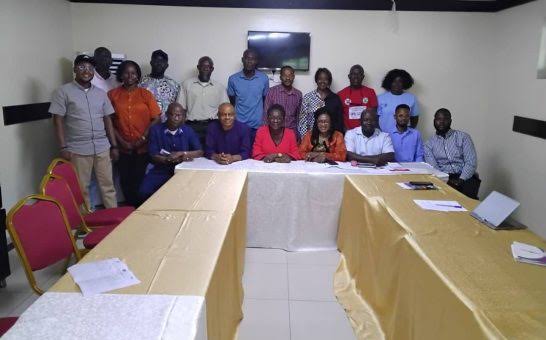
The state monitoring and evaluation officer of the Tuberculosis and Leprosy Control Programme, Mr Yohanna Bot, disclosed this in Jos at the first bi-annual media-focused advocacy meeting on the Global Fund AIDS, Tuberculosis and Malaria Integrated Community-led Monitoring (ICLM), Project.
Bot said, “TB remains a significant public health crisis in Plateau State.
“We all know that tuberculosis is an airborne disease, and from the prevalence in the state, we have a lot of people who have TB because of the lifestyle we live and the places we visit.”
“Based on the prevalence rate of 219 per 100,000 population, we have over 11,000 people with TB in the state.
“We just completed our quarterly survey, and from the analysis, we discovered that between July and September, 2,047 patients were identified and placed on treatment.”
He said, “Those identified are receiving treatment at various health centres across the state.”
On the factors contributing to the spread of the disease, Bot said, “The spread is driven by the airborne nature of the bacteria and exacerbated by malnutrition, advanced age, weakened immune systems, particularly among children
under five and people living with HIV, as well as overcrowding.”
He added, “Other risk factors are associated with stigma and misconceptions, as many residents still hold false beliefs, including attributing TB to spiritual or ritual causes. ”
This hinders early diagnosis and treatment.”
On the impact of insecurity, Bot said, “Insecurity and displacement are making it difficult to detect cases, particularly in hotspots such as Mangu, Jos South and Barkin Ladi, where insecurity has led to the establishment of camps for internally displaced persons.”
He added, “Overcrowding in these camps facilitates the rapid transmission of the disease.”
On intervention strategies, Bot said, “The programme is prioritising community outreach, particularly in IDP camps and correctional centres, to identify cases through active screening.”
He added, “Once diagnosed, patients are placed on treatment, which renders them non-infectious within two weeks.”
Bot, however, raised concerns over the shortage of anti-TB drugs, saying, “The programme relies heavily on international support, particularly the Global Fund, and supply chain disruptions have created gaps in treatment availability.”
He called for increased public awareness to tackle misconceptions and stigma surrounding the disease, urging residents to seek medical attention rather than rely on unfounded beliefs.
The Plateau State Programme Officer of the Global Fund AIDS, TB and Malaria Integrated Community-Led Monitoring Project, Mr Peter Ezekiel, said, “Nigeria is ranked first in Africa and sixth globally among countries with a high burden of tuberculosis and TB/HIV co-infection.”
“The country also has the world’s highest number of people affected by malaria and the world’s second-largest HIV/AIDS burden.”
He added, “There is a high occurrence of malaria and TB co-infection among people living with HIV. Co-infection can make a disease more severe and potentially more infectious.”
On the project, Ezekiel said, “The ATM Networks are using the Community-Led Monitoring approach to engage community stakeholders to become involved in, own and support health interventions, particularly HIV/AIDS, malaria and tuberculosis.”
He said, “The approach helps identify gaps hindering effective service delivery and uptake, including gender-related barriers, discrimination and stigma.”
“It also enables communities to prioritise needs such as increased domestic resources and improved healthcare infrastructure.”
Highlighting the project’s achievements in Plateau, Ezekiel said, “Since the commencement of implementation in the state, the Integrated Community-Led Monitoring initiative has mobilised resources for infrastructural rehabilitation, service improvements, health systems strengthening and increased community participation.”
He added, “From June to date, we have repaired and re-piped toilet facilities at the Primary Health Centre, PHC, Rantya, Jos South. Community stakeholders also donated a brand-new scanning machine and 10 iron-framed chairs to PHC Gangare in Jos North, BP apparatus to PHC Dogon Agogo and new hospital bed mattresses to PHC Pushit.”
Ezekiel said, “Other achievements include the purchase and donation of TB sputum cups to the COCIN Rehabilitation Centre in Mangu Local Government Area and the provision of 500 copies of clients’ enrolment forms through community efforts.”
He added, “The community of Lamingo jointly mobilised resources and engaged security personnel to safeguard night-shift staff and property at PHC Lamingo, with an agreement of N15,000 monthly.”
According to him, “These interventions have strengthened infection prevention measures, improved patients’ experiences and enhanced healthcare service delivery.”
Calling for greater collaboration, Ezekiel said, “There is a need to implement measures that include prevention and treatment, health education and promotion, and community partnership.”
He also called for the expansion of national and state health insurance programmes to cover vulnerable citizens, particularly low-income earners, while urging adequate funding of primary healthcare and greater accountability in the management of health resources.
Also speaking, the Director of Disease Control and Immunisation at the Plateau State Primary Health Care Board, Dr Yakubu Izang, said, “Community-led monitoring is essential to improving healthcare delivery at the grassroots.”
He added, “ICLM identifies gaps and challenges that the government might otherwise miss, allowing for a collaborative and synergistic approach to problem-solving.”
We’ve got the edge. Get real-time reports, breaking scoops, and exclusive angles delivered straight to your phone. Don’t settle for stale news. Join LEADERSHIP NEWS on WhatsApp for 24/7 updates →
Join Our WhatsApp Channel