The Nigerian National Petroleum Company Limited (NNPCL) plans to resume oil exploration in Borno State and establish a solar power plant to boost electricity supply and stimulate economic development.
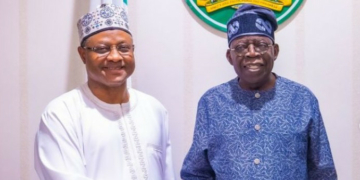
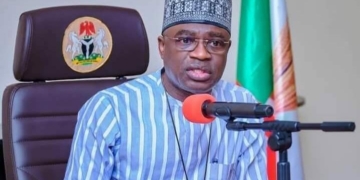
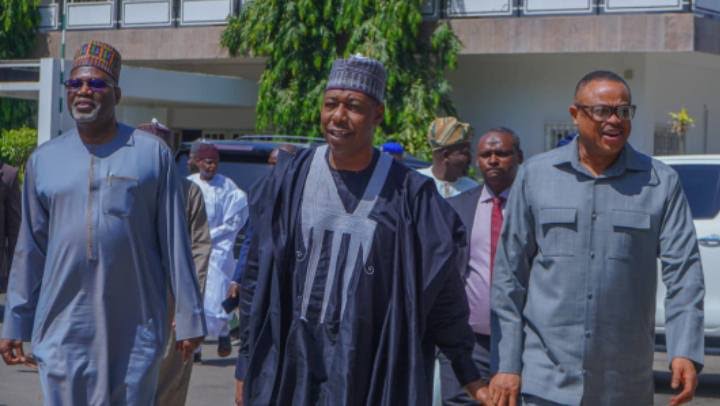
The chairman of NNPCL Board, Ahmad Musa Kida, disclosed this yesterday during a courtesy visit by the company’s top management to Governor Babagana Umara Zulum at the Government House in Maiduguri.
NNPCL had during the last administration embarked on the oil exploration prospecting in Magumeri but halted the activities before announcing the resumption during the visit.
The proposed projects are expected to enhance the state’s energy infrastructure, attract investment, create employment opportunities and improve access to electricity for residents and businesses.
Governor Zulum welcomed the planned resumption of oil exploration, describing it as a strategic opportunity to unlock Borno’s vast hydrocarbon potential and accelerate economic growth.
He noted that the state possessed significant commercial opportunities and enjoyed a strategic geographical location, sharing borders with three countries.
The governor assured the NNPCL management of the state government’s support for the resumption of oil prospecting and the establishment of the proposed renewable energy project.
He also described solar power as critical to Borno’s future electricity supply, particularly as the state continues its recovery from years of insurgency and its attendant economic challenges.
According to him, reliable electricity remains essential for restoring livelihoods, supporting small businesses, improving healthcare delivery and strengthening educational services.
Zulum added that solar power could provide a viable means of extending electricity to rural communities and public facilities where conventional power infrastructure might be difficult or expensive to develop.
He said the development of solar power plants, supported by effective distribution networks, would improve electricity access and strengthen the resilience of the state’s energy system.
The governor, however, expressed concern over delays in the completion of the Maiduguri Emergency Power Plant, describing it as critical infrastructure for improving electricity supply in the state capital and its environs.
He lamented that despite the availability of the necessary materials at the project site for about two years, the upgrade remained incomplete.
Zulum consequently urged the NNPCL management to intervene and ensure the timely completion of the project, stressing its importance to the socio-economic well-being of residents.
Earlier, Kida commended the Borno State Government for its infrastructure development efforts and achievements in improving security, noting that the prevailing security situation had helped restore confidence among visitors and organisations seeking to operate in the state.
He recalled that travelling to Maiduguri had previously been considered risky because of insecurity, including concerns about airport safety.
According to him, the improved security environment had enabled the company to deploy personnel to the state and explore opportunities for stronger collaboration with the government.
The NNPCL delegation also acknowledged the Federal Government’s approval of an extraordinary support fund to sustain electricity supply in the North-East.
However, it raised concerns over outstanding financial obligations relating to gas supplies and operational expenses, warning that the liabilities could threaten the stability of electricity generation in the region.
The company’s representative disclosed that the outstanding obligations included approximately ₦17.9 billion in gas supply loans, ₦3.8 billion in operational expenses and an additional $600,000.
He said a gas supplier had threatened to suspend supplies over unpaid bills, raising concerns about the possible consequences for electricity generation and the stability of power supply across the region.
The representative appealed to Governor Zulum to facilitate the necessary engagements to resolve the outstanding obligations and secure sustained support for electricity generation.
The planned oil exploration and solar power projects come as Borno seeks to expand economic activities, attract fresh investment and strengthen critical infrastructure following years of security challenges.
If implemented, the initiatives could contribute to diversifying the state’s energy sources, improving electricity access and supporting long-term economic recovery.
We’ve got the edge. Get real-time reports, breaking scoops, and exclusive angles delivered straight to your phone. Don’t settle for stale news. Join LEADERSHIP NEWS on WhatsApp for 24/7 updates →
Join Our WhatsApp Channel