Only 58.3 per cent of adults living with HIV in Lagos know their status, the Lagos State 2025–2026 Antiretroviral Therapy (ART) Impact Survey has shown.
The survey also found HIV prevalence among adults aged 15 to 64 at 1.6 per cent among women and 0.8 per cent among men, indicating women are twice as likely to be living with HIV.
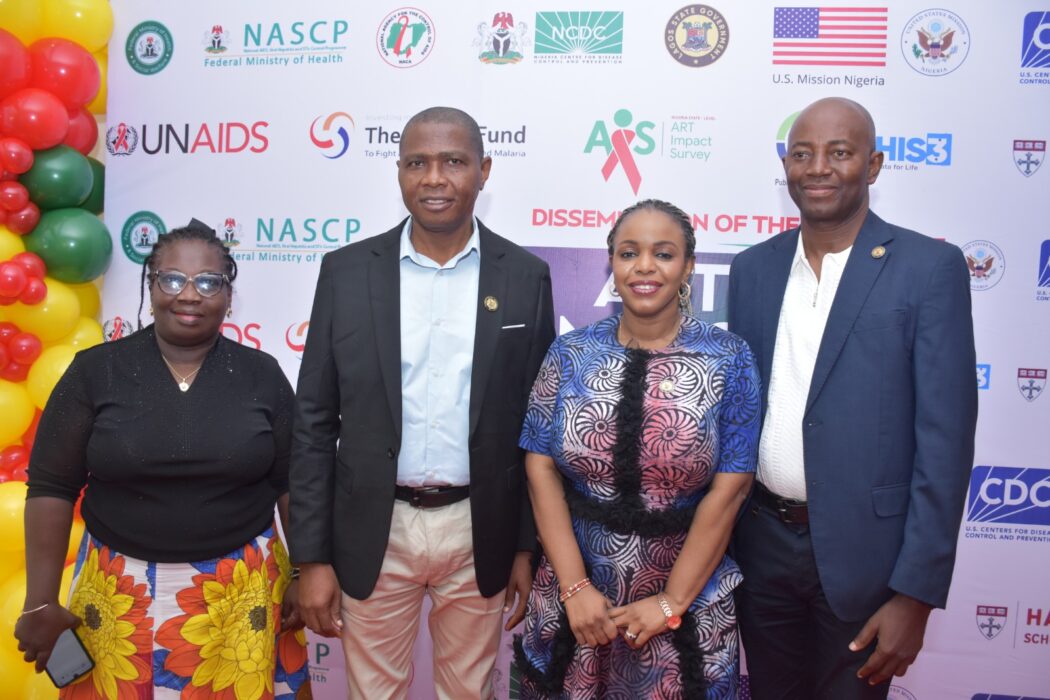
The findings were presented on Wednesday at the dissemination of the Lagos State Summary Sheet of the ART Impact Survey held at Ikeja, Lagos.
The survey which was conducted between November 2025 and February 2026, covered 205 enumeration areas and 6,450 households, with eligible individuals aged 15 to 64. Of 6,748 eligible households, 93.5 per cent completed household interviews.
On the conditional cascade, the survey showed that of the 58.3 per cent who know their status, 93.4 per cent were receiving treatment and 88.9 per cent of those on treatment had achieved viral load suppression.
The 2025 HIV Health Sector Report estimates that 197,911 people are living with HIV in Lagos, with 129,977 receiving antiretroviral therapy, representing treatment coverage of 65.7 per cent and leaving a gap of more than 60,000 people.
The survey also showed gaps in services for mothers and children. While prevention of mother-to-child transmission coverage rose from 45 per cent in 2018 to 57.6 per cent in 2025, Early Infant Diagnosis declined from 7.7 per cent in 2021 to 1.5 per cent in 2025, while paediatric treatment coverage stood at about 44.5 per cent.
Permanent Secretary, Lagos State Ministry of Health, Dr Dayo Lajide, described the survey as a significant milestone in strengthening the state’s HIV response through credible evidence, informed decision-making and strategic programme implementation. She said the exercise would help assess progress since the 2018 Nigeria HIV/AIDS Indicator and Impact Survey (NAIIS) and support efforts towards the UNAIDS 95-95-95 targets.
She called for targeted interventions to strengthen case identification, treatment linkage, retention in care, early infant diagnosis and paediatric treatment. Lajide reaffirmed the state government’s commitment to sustaining HIV services through the procurement of rapid diagnostic kits and antiretroviral medicines, health system strengthening and integration of HIV services into routine healthcare. She also stressed the importance of domestic resource mobilisation and sustainable financing amid changes in the global healthcare funding landscape.
The Coordinator National AIDS, Viral Hepatitis and STIs Control Programme (NASCP), Dr. Adebobola Bashorun represented by Assistant Chief Scientific Officer, NASCP Sabina Aiki, said the survey provided reliable state-level evidence to assess the reach and impact of HIV treatment services and guide decisions. He commended Lagos State’s leadership and acknowledged the contributions of federal agencies, US CDC, APIN/PHIS3, civil society organisations and communities, urging stakeholders to sustain investments and act on the findings.
APIN Public Health Initiatives Chief Executive Officer, Dr Jay Osi Samuels, described the survey as a major achievement, expressing appreciation to the US Centers for Disease Control and Prevention (US CDC) for its support and confidence in APIN. He commended Lagos State and other stakeholders for their cooperation and called for more regular assessments, noting that the state should not have to wait another five or six years to generate such strategic information.
US CDC Country Deputy Director, Dr Gbolahan Cole, said the United States Government had made significant investments in the survey, including training field personnel and strengthening laboratory capacity. He said the agency remained committed to working with Lagos State and its partners to determine appropriate responses to the identified gaps and provide technical assistance.
In his overview of the survey, APIN/PHIS3 Technical Director, Dr Olaposi Olatoregun, said the assessment adopted the Population-Based HIV Impact Assessment approach and involved extensive stakeholder coordination, fieldwork and laboratory processes. He said the exercise covered 205 enumeration areas and 6,450 households, with eligible individuals aged 15 to 64, and was supported by monitoring and quality assurance measures to ensure reliable findings.
Health Assistant Coordinator in the Office of the US Embassy’s Department of State, Abuja, Omoshalewa Oyelaran, said the survey provided Lagos with a clear and independent picture of the HIV epidemic, showing who was living with HIV, receiving treatment and achieving viral suppression. She identified awareness of HIV status as the major gap, stressing that people who do not know their status cannot be linked to treatment.
Lagos State AIDS Control Agency (LSACA) Chief Executive Officer, Dr Folakemi Animashaun, described the findings as timely and strategic as the state moves towards greater domestic ownership of its HIV response. She said the survey would guide planning, budgeting, accountability and funding priorities, adding that its value would depend on translating the findings into implementation.
The Network of People Living with HIV/AIDS in Nigeria (NEPWHAN), represented by Strategy Manager Inolode Emmanuel, said the dissemination was an opportunity to reflect on progress, gaps and the lives affected by HIV interventions. He described ART as representing hope, dignity, survival and the opportunity to live a healthy life, while urging stakeholders to keep community voices central to the response.
We’ve got the edge. Get real-time reports, breaking scoops, and exclusive angles delivered straight to your phone. Don’t settle for stale news. Join LEADERSHIP NEWS on WhatsApp for 24/7 updates →
Join Our WhatsApp Channel