
The high cost of smartphones and other digital access devices is threatening Nigeria’s efforts to bridge the digital divide and extend internet connectivity to millions of underserved rural residents, telecommunications company ipNX has warned.
The company said that expanding telecommunications infrastructure alone would not guarantee meaningful digital inclusion if low-income Nigerians could not afford the devices required to access internet services and participate in the digital economy.
The Director, Strategic Business Initiatives at ipNX Nigeria, Dr Olusola Teniola, raised the concern during a panel discussion at the second edition of the Rural Connectivity Summit 2.0, held in Lagos under the theme, “Rural Inclusion at Scale: Connecting the Next 25 Million Users for Frontier Market Growth.”
Speaking during a session titled “From Infrastructure to Access: Building the Fibre, Towers and Technology Ecosystem for Rural Connectivity,” Teniola argued that Nigeria must reduce its dependence on expensive imported smartphones by creating an enabling environment for indigenous manufacturers and technology innovators to develop affordable devices suited to local market conditions.
He said the country’s digital inclusion strategy must address the affordability of access devices alongside the expansion of network infrastructure, particularly in rural communities where household purchasing power remains limited.
Teniola also called for long-term, single-digit, naira-denominated financing to support indigenous telecommunications companies and infrastructure operators with the capacity to extend connectivity to commercially underserved and difficult-to-reach communities.
“The argument is that, over the next 10 years, we need to have long-term, single-digit, naira-based financing that supports companies that have demonstrated the ability to connect the last mile in very challenging environments,” he said.
He maintained that affordable financing would enable operators to invest in last-mile infrastructure and extend reliable connectivity to communities that may not attract sufficient commercial investment under existing funding conditions.
Teniola also cautioned against relying exclusively on satellite technology to address rural connectivity gaps, noting that satellite services should complement rather than displace terrestrial infrastructure.
He stressed that the economics of connectivity must remain central to deployment decisions, particularly in communities where the cost of internet access and digital devices could discourage adoption.
On local technology development, he called for deliberate government policies to encourage indigenous solutions and reduce dependence on imported products.
“If we don’t pursue the right policies, then we’re going to import. We are very talented people, speaking different dialects, and we need to incentivise people who have African solutions and are building for Africa. India has done that, and if they can, we can as well,” he said.
Also speaking, the President of the Association of Telecommunications Companies of Nigeria (ATCON), Tony Emoekpere, identified the high cost of powering and maintaining telecommunications infrastructure in rural communities as another major obstacle to expanding digital access.
He said operators face significant challenges in sustaining network sites in remote locations due to unreliable power supply, dependence on diesel, insecurity, and difficulties accessing some communities.
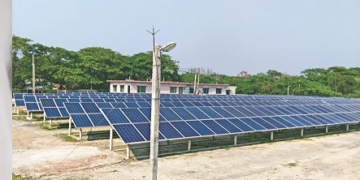
“The real issue is power. No rural connectivity site can be sustained on diesel alone. We need to explore hybrid solutions, though this remains a challenge. Theft and security remain major concerns, as does the difficulty of accessing remote locations,” Emoekpere said.
He stressed the need for sustainable alternative power solutions to reduce operating costs and improve the viability of telecommunications infrastructure in rural areas.
The General Manager (Technical) of ICSL, Tinuade Oguntuyi, also emphasised the importance of digital education and community inclusion in efforts to expand rural connectivity.
She said improved network access must be accompanied by initiatives that equip rural residents with the digital skills required to utilise internet services and benefit from emerging economic opportunities.
The discussions at the summit highlighted the need for a comprehensive approach to rural digital inclusion, combining affordable devices, sustainable financing, reliable power supply, supportive government policies and investment in local technology development.
As Nigeria works towards connecting an additional 25 million users, stakeholders called for stronger collaboration among the government, regulators, telecommunications operators, infrastructure providers, and technology companies to address the barriers that limit access to digital services.
They maintained that extending fibre, towers and other network infrastructure to underserved communities would only translate into meaningful digital inclusion when residents could afford the devices, services and skills needed to participate in the digital economy.
We’ve got the edge. Get real-time reports, breaking scoops, and exclusive angles delivered straight to your phone. Don’t settle for stale news. Join LEADERSHIP NEWS on WhatsApp for 24/7 updates →
Join Our WhatsApp Channel