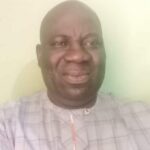

The Senator representing Plateau Central Senatorial District, Diket Plang, has honoured his late wife, Prof Janet Plang, with a posthumous presentation of a book she initiated before her demise last year.
The ceremony, held in Jos, attracted prominent political leaders, traditional rulers, serving and former senators, ministers, academics, religious leaders and family members.
The occasion brought together three significant family milestones: Senator Plang’s diamond jubilee, the celebration of his daughter’s forthcoming marriage and the fulfilment of his late wife’s intellectual dream through the public presentation of her book, “Gender Gaps, Women’s Studies and National Development: Bridging the Structural and Institutional Divide in Nigeria.”
Senator Plang described the occasion as a day of gratitude, celebration and remembrance, expressing profound appreciation to God for granting him 60 years of life and the opportunity to witness the realisation of his late wife’s academic ambition.
He said the public presentation of the book was particularly significant because it represented the fulfilment of a dream Prof Janet Plang passionately pursued before her demise.
The senator disclosed that his late wife was deeply committed to gender advocacy, women’s empowerment and educational development, explaining that her passion for the subject inspired her to coordinate the publication with contributions from distinguished academics and public figures.
He recalled that the wives of senators had appointed her chairperson of their Subcommittee on Education, a responsibility through which she championed issues affecting women, girls and national development.
According to him, the publication brought together contributions from serving senators, university professors and leaders of the Women Association of Senators, who wrote different chapters addressing gender-related challenges and the role of women in national development.
Senator Plang particularly recalled his wife’s determination to complete the project, explaining that even while receiving medical attention in London, she continued to monitor the progress of the manuscript, regularly requesting updates and encouraging contributors to complete their respective chapters.
He said that by the time she returned, the manuscript was ready for publication, but following her demise, the wives of senators visited him and provided financial assistance to ensure that the project was completed and made available to the public.
Expressing appreciation to the contributors and those who supported the publication, he specifically acknowledged the book reviewer, Professor Irene Agunloye, and other academics who encouraged and supported his late wife’s scholarly journey.
Explaining why the event was deliberately described as a book presentation rather than a conventional book launch, Senator Plang said his primary objective was not fundraising but the fulfilment of his wife’s aspiration to make her intellectual contribution accessible to Nigerians.
He stated that: “It is not about money. That’s why I didn’t say launching. I said present. We are presenting her book to the public. It is about the fulfilment of my wife’s thought that the book should be in the public.”
The senator expressed satisfaction that the publication would become part of Nigeria’s academic heritage, contributing to discussions on gender equality, women’s empowerment and national development.
He also spoke emotionally about celebrating his 60th birthday without his wife, observing that she would ordinarily have taken the leading role in organising the celebration.
The book reviewer, Prof Irene Agunloye, described the book as a significant contribution to academic scholarship and policy discourse on gender equality and national development.
She disclosed that the publication contains 17 chapters written by 23 contributors, examining gender inequalities embedded in cultural traditions, institutional practices and policy frameworks, as well as their implications for Nigeria’s development.
According to her, the book addresses several critical issues, including women’s empowerment, access to education and healthcare, participation in governance, domestic and sexual violence, human trafficking, substance abuse, policing, elderly care and inclusive education.
We’ve got the edge. Get real-time reports, breaking scoops, and exclusive angles delivered straight to your phone. Don’t settle for stale news. Join LEADERSHIP NEWS on WhatsApp for 24/7 updates →
Join Our WhatsApp Channel